LOEWE Center „Frankfurt Cancer Institute“ receives funding for another three years
Due to its great success in cancer research, the LOEWE center „Frankfurt Cancer Institute“ (FCI), which has been in existence


Due to its great success in cancer research, the LOEWE center „Frankfurt Cancer Institute“ (FCI), which has been in existence
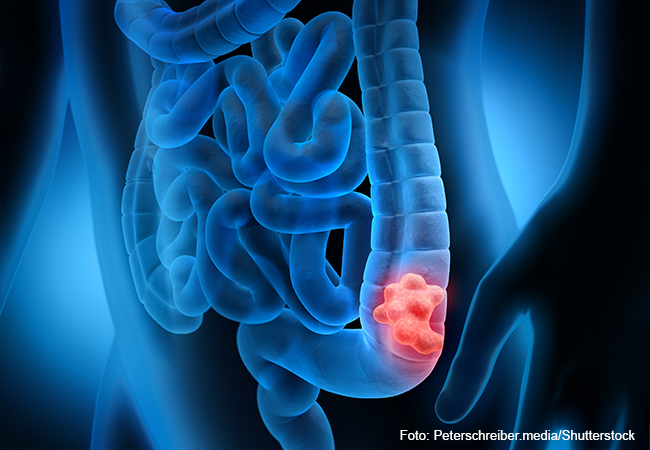
Researchers at Georg-Speyer-Haus and Goethe University Frankfurt have discovered a new mechanism that explains why only some of the cells
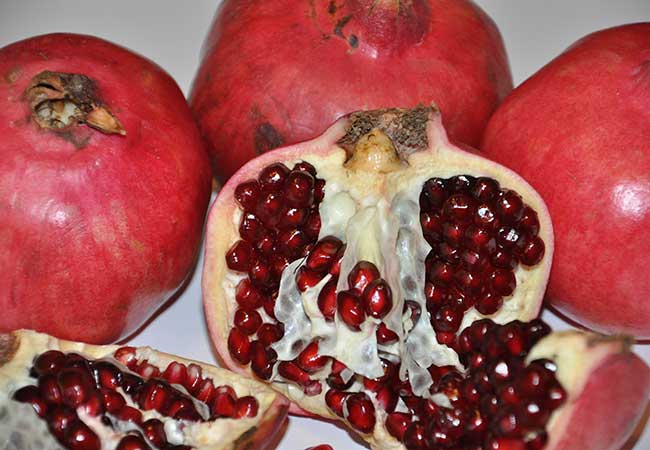
As part of an interdisciplinary project of the LOEWE Centre Frankfurt Cancer Institute (FCI), researchers from the Georg-Speyer-Haus in Frankfurt

Using bacteria of the Bartonella henselae species, researchers from Goethe University, Frankfurt University Hospital, the Paul Ehrlich Federal Institute for
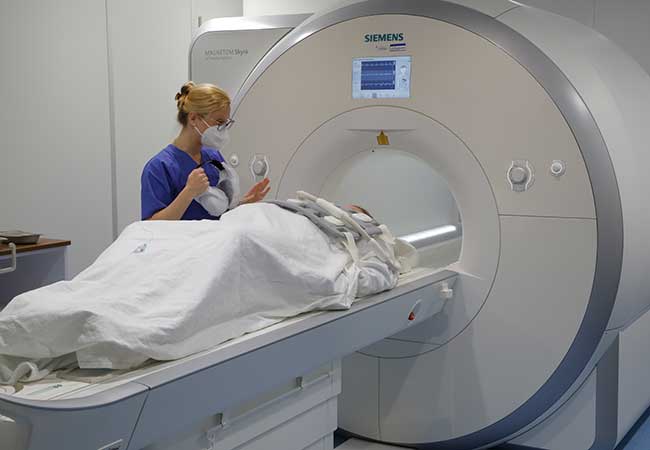
The research team led by Dr Valentina Puntmann and Professor Eike Nagel from University Hospital Frankfurt and Goethe University Frankfurt
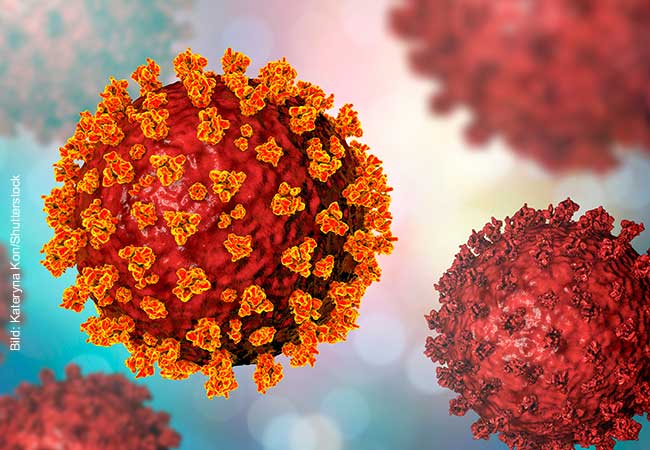
The Omicron variants BA.1 and BA.2 of the SARS-CoV-2 virus, which dominated from about December to April, can already circumvent
Researchers from University Hospital Frankfurt and Goethe University Frankfurt have unravelled how bacteria adhere to host cells and thus taken

The Society for Biochemistry and Molecular Biology (GBM) and Elsevier/BBA honors Prof. Dr. Stefanie Dimmeler for her pioneering work in
A clinical study from Spain recently confirmed laboratory experiments made by researchers of Goethe University Frankfurt and University of Kent
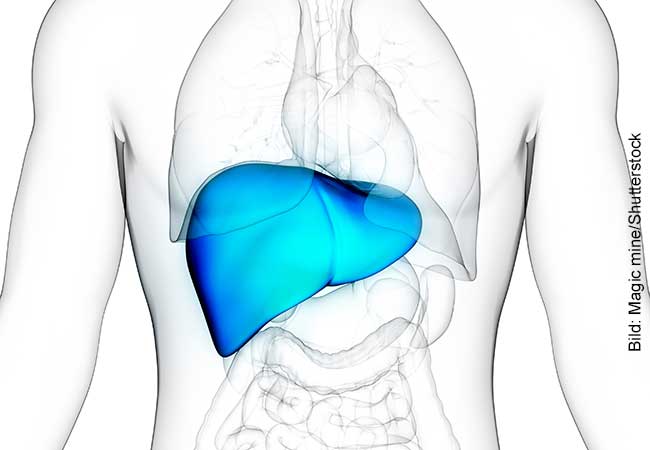
In Germany, liver cirrhosis has the highest mortality rate of any chronic disease requiring hospital admission. When diagnosed as a
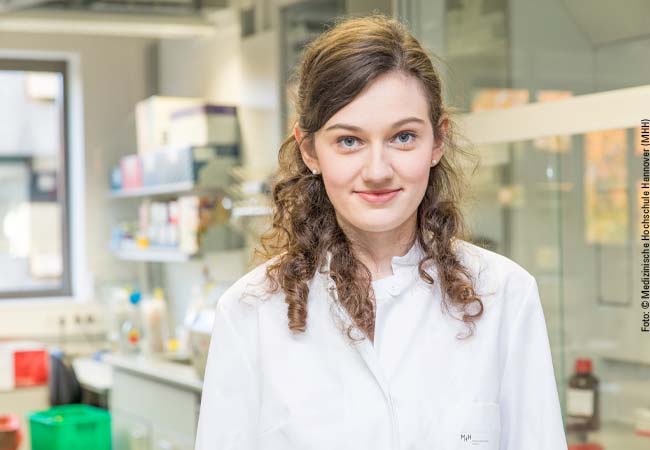
The 24-year-old physician Dr. Laura Hinze from Hannover Medical School receives the Paul Ehrlich and Ludwig Darmstaedter Prize for Young
A new study by researchers from the University of Kent and the Goethe University Frankfurt shows that the SARS-CoV-2 Omicron
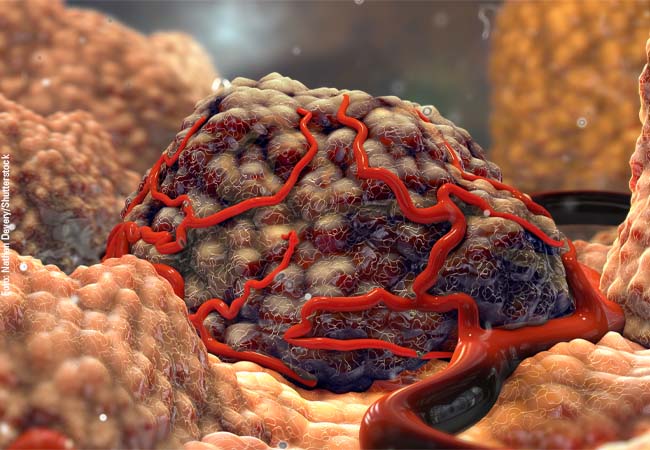
There are myriad reasons why cancers develop. By studying genes which are altered in people with lymphoma, a multidisciplinary team
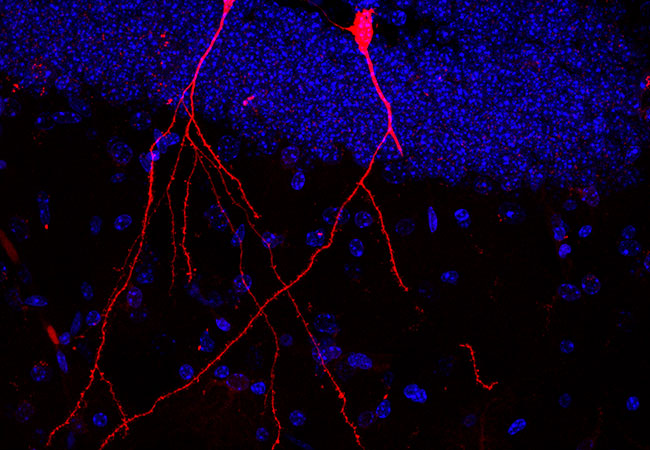
Bacteria in the intestine pack a wide spectrum of their biomolecules into small capsules. These are transported via the bloodstream
Researchers have identified a potential new treatment that suppresses the replication of SARS-CoV-2, the coronavirus that causes Covid-19. In order

Researching intricate geometric and arithmetic objects is the goal of the new Collaborative Research Centre Transregio 326 (TRR 326), coordinated
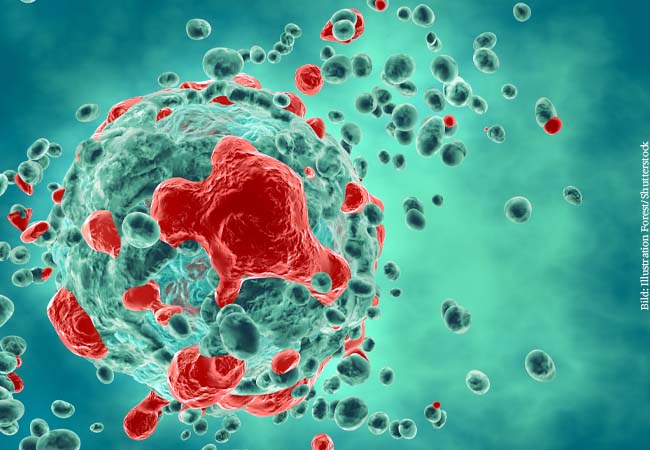
Oxygen radicals in the body are generally considered dangerous because they can trigger something called oxidative stress, which is associated
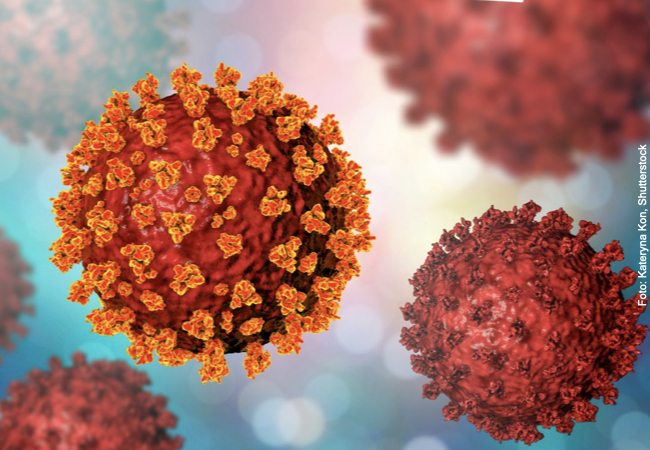
Research from the University of Kent, Goethe-University in Frankfurt am Main, and the Philipps-University in Marburg has provided crucial insights
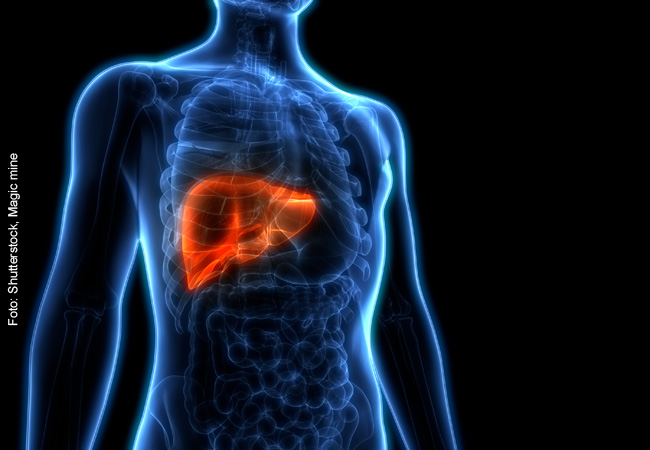
Acute-on-chronic liver failure (ACLF) is a common cause of death in patients with cirrhosis. In ACLF the progressive loss of

In order for the SARS-CoV2 virus to enter host cells, its “spike” protein has to be cleaved by the cell’s
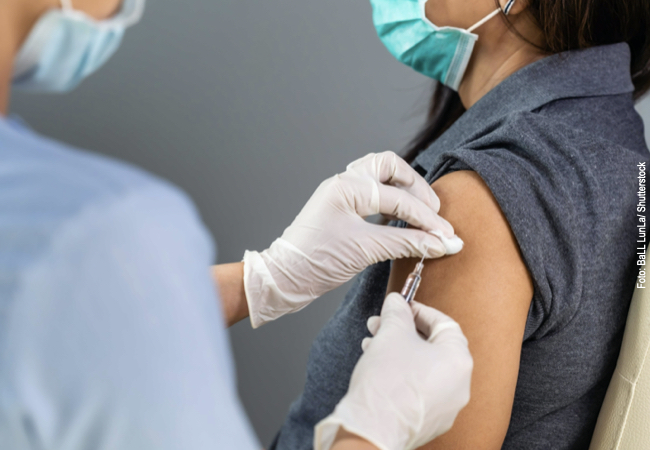
Two young chemists at Goethe University want to develop highly effective vaccines using the carrier protein dodecin. To develop their
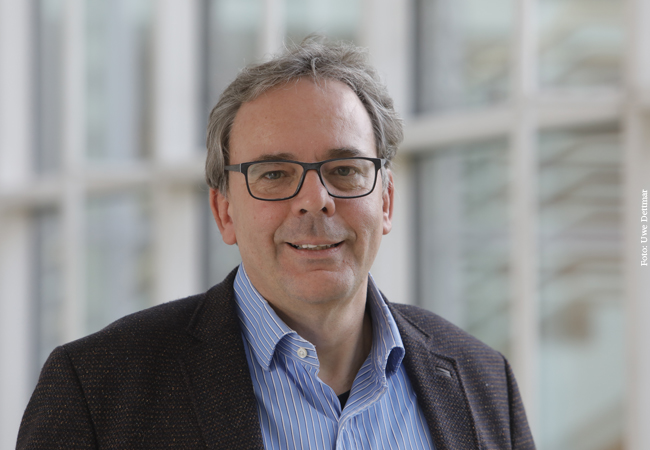
About ten percent of Parkinson’s cases can be ascribed to mutations in the LRRK2 gene. Five research teams from the
When the body can no longer compensate the gradual failure of the liver caused by liver cirrhosis, there is a
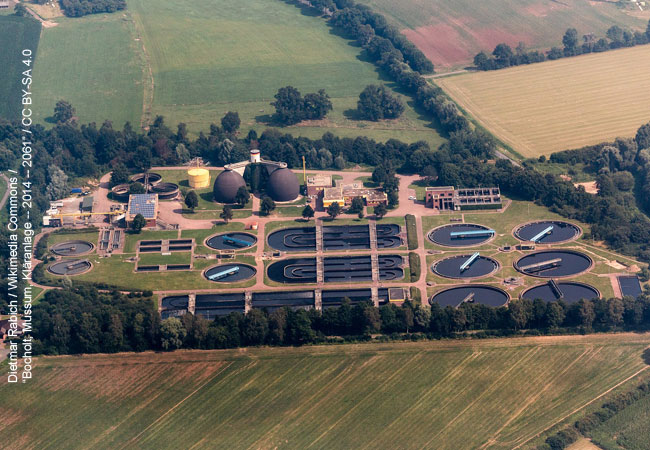
Since the beginning of the pandemic, research groups have been working on methods to detect SARS-CoV-2 viruses in wastewater to
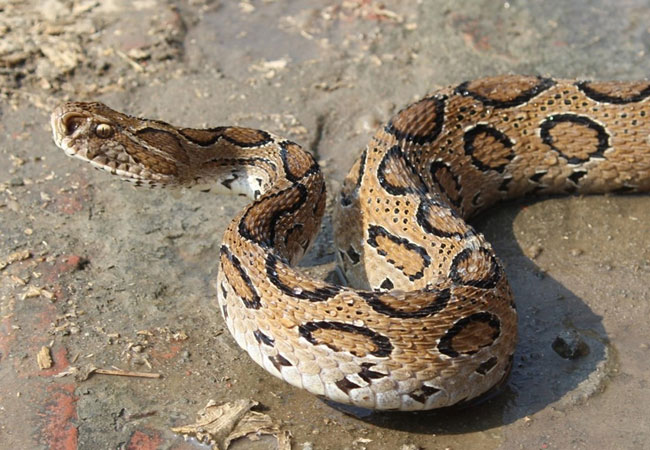
In cooperation with East Yangon University in Myanmar and the Max-Planck Institute for Chemical Ecology in Jena, researchers at Goethe
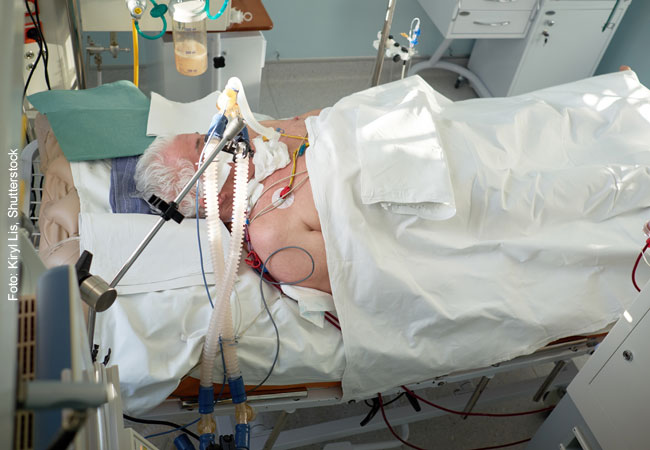
CARE (Corona Accelerated R&D in Europe), supported by Europe’s Innovative Medicines Initiative (IMI), is the largest undertaking of its kind
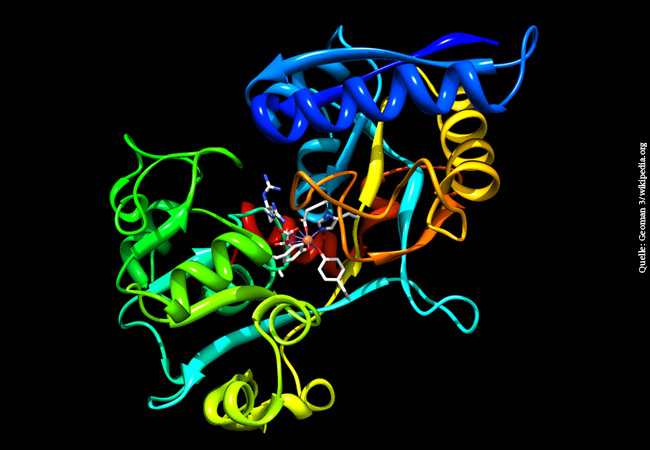
The Institute of Medical Virology at Goethe-University, Frankfurt am Main, Germany, and the University of Kent’s School of Biosciences (UK)
Acute lymphoblastic leukaemia (ALL) is the most common kind of cancer in children. T-ALL, a subtype that resembles T-lymphocytes, can
You cannot copy content of this page