
Goethe in progress 2023 – Research
New research projects
A number of Goethe University researchers have successfully acquired projects in 2023 – from the federal and state governments, the German Research Foundation (DFG), the European Union, foundations and other institutions. And with Goethe University's endowed chair model based on the American model, endowed professorships can now be financed on a more permanent basis.
Back to... Research
Anyone pursuing scientific knowledge needs a supportive and encouraging environment. Throughout 2023, Goethe University worked at further enhancing this environment for its researchers.

- German Research Foundation
From saying "no" under the magnifying glass to the transformation of living
One new Collaborative Research Center, two extended ones, one Research Training Group and many other grants: The scientists at Goethe University were successful with their innovative projects in the German Research Foundation's funding program in 2023.

- EU funding: ERC Grants
Tunneling particles and construction sites in the cell
ERC grants from the European Research Council can help young researchers to establish themselves scientifically. Or they can support ground-breaking projects by experienced scientists.
- Research funding through foundations
A giant group without attention
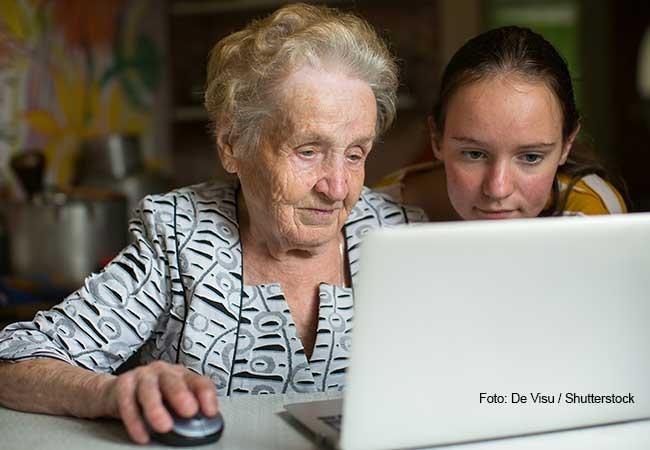
Young people in training who look after older people: they are the focus of the "InterCare" research project, which, like many other projects, is funded by a foundation.

- Projects funded by the federal and state governments
"Performance makes school"
The research association of the same name has been awarded the contract by the federal and state governments to continue its research project in 2023. They are also funding numerous other projects at Goethe University – including a LOEWE Top Professorship and a LOEWE Start Professorship.
Graphic: shuttershock
- Funding from the German Research Foundation (DFG): Collaborative Research Centers
Saying "no" under the linguistic magnifying glass
How does negation work in language? And how are the linguistic structures for this connected to perception in the brain? The new Collaborative Research Center 1629 "Negation: A Linguistic and Extra-linguistic Phenomenon" (NegLaB), which the German Research Foundation (DFG) has approved for 2023, is dedicated to these questions.
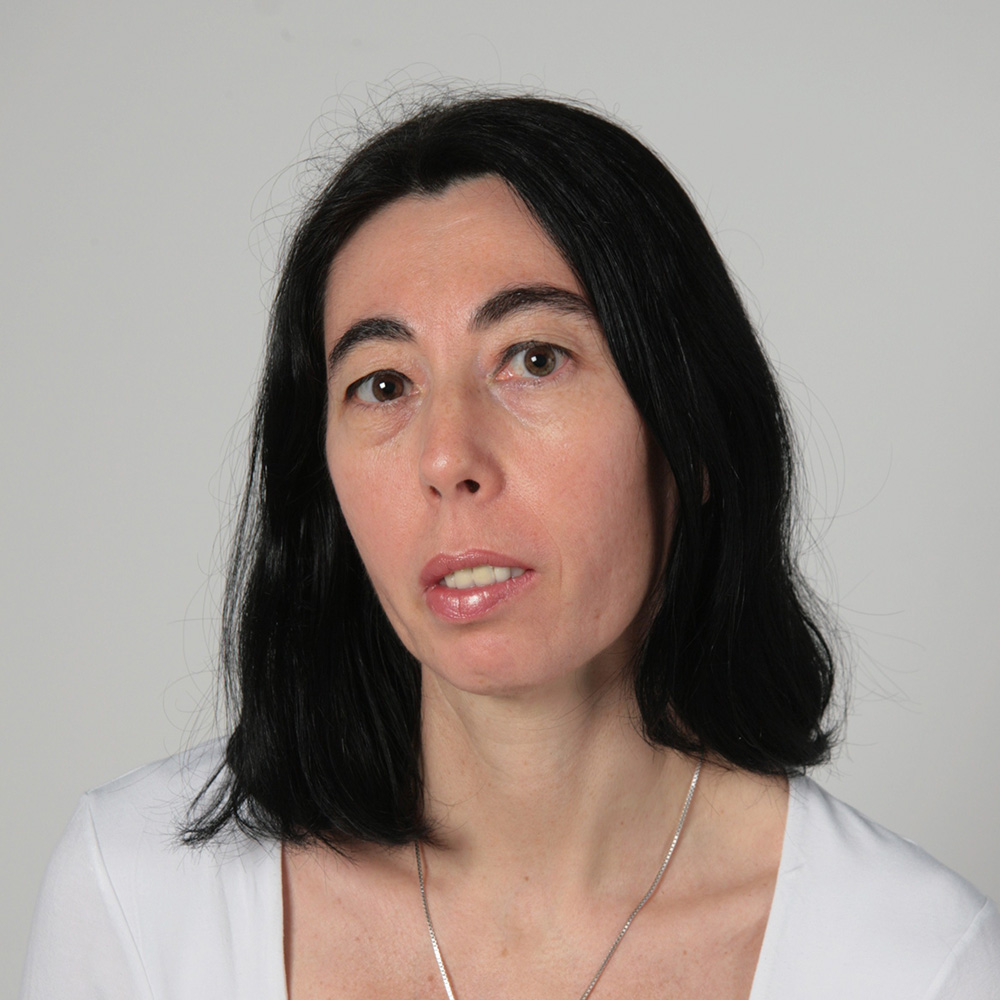
Prof. Dr. Cecilia Poletto
Photo: private
Negation, i.e. the negation of a statement, is a fundamental characteristic of human language. It is firmly anchored in the grammar of different languages, albeit in different ways. Grammatical negation affects various areas of grammar, but also perception (cognition). It is a complex system, which is reflected in the fact that it is used early on in children's language acquisition, but its correct use is only learned at a later stage. It can also be observed in adults that negative sentences are more difficult to understand than positive ones, as the content of the positive sentence must first be understood before the meaning of its negation can be grasped.
The CRC NegLaB now aims to clarify how negation is related to grammatical and non-linguistic cognitive processes across languages. The researchers involved expect this to lead to a better understanding of how linguistic competence and general cognition are connected. Individual projects deal, for example, with the linguistic-historical background of adjectives such as incessant or incredible, with negation in African languages, with the influence of negation on behavior, memory and attitudes or with the role of non-linguistic cognitive abilities for negation processing in children. The institutes for English and American Studies, Linguistics, Philosophy, Psycholinguistics and Didactics of the German Language, Romance Languages and Literatures and the Department of Computer Science and Mathematics are involved in the CRC at Goethe University. Partners at the University of Göttingen are the Department of English Philology and at the University of Tübingen the Department of Psychology. A special feature of the project is the integrated research training group, which aims to train young academics for the academic and non-academic job market. The spokesperson is Prof. Dr. Cecilia Poletto. The SFB NegLaB will receive total funding of around 9.3 million euros for three years and nine months. Added to this is the 22 percent total lump sum for indirect costs from the projects.
asa
- Collaborative Research Centers
How cellular "waste disposal" maintains the balance of the cell
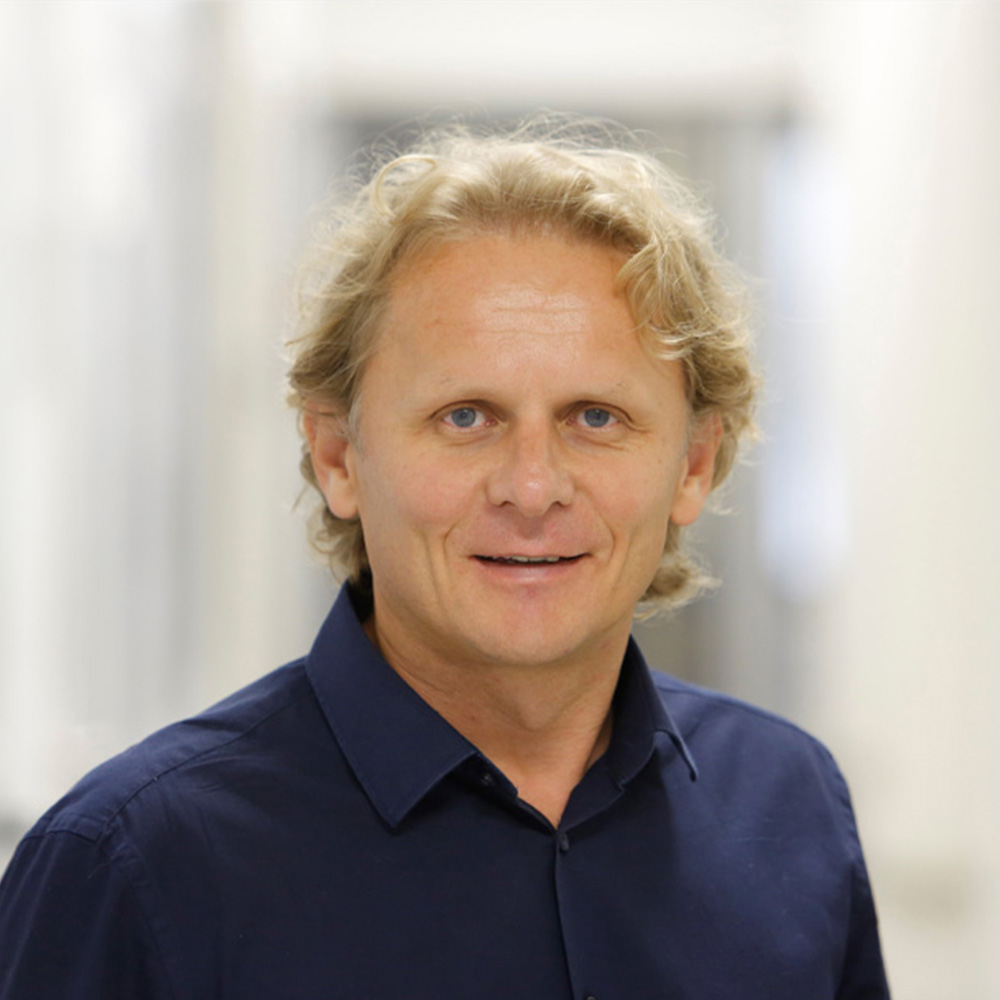
Prof. Dr. Ivan Đikić
Photo: Uwe Dettmar
The Collaborative Research Center 1177 on selective autophagy in biochemistry has been extended for the second time: this is a natural process by which cells can specifically dispose of defective or superfluous components. Selective autophagy is part of cellular waste disposal, which is used to break down and dispose of defective or potentially harmful components. It plays a central role in maintaining cellular equilibrium and fulfills important functions in aging and development processes. If this system does not function properly, the risk of cancer, neurodegenerative diseases and infections can increase.
The research network, which has been in existence since 2016, is investigating autophagy at the molecular and cellular level in order to be able to counteract dysfunctions in good time in the future. The success of the consortium, which includes Goethe University, the universities of Mainz, Munich, Tübingen, Heidelberg and Freiburg, the Max Delbrück Center for Molecular Medicine in Berlin and the Max Planck Institute of Biophysics in Frankfurt, is due in part to the use of cutting-edge technologies that have been consistently developed further. In this way, the research network has contributed to Frankfurt becoming a nationally networked center for autophagy research over the past eight years.
In the third funding phase, the role of autophagy in neurodegenerative diseases, in immune defense and in inflammation is now being further investigated. The focus is also on processes such as membrane remodeling and the dynamic turnover of cell organelles. The promotion of young researchers plays a major role, and a research training group was established for this purpose in the first funding period – so that the then still young field of autophagy research can continue to be well cultivated in the future. Prof. Ivan Đikić (see also ERC Grants) is the spokesperson for CRC 1177.
- Collaborative Research Centers
What role RNA plays in the cardiovascular system

Prof. Stefane Dimmeler
Photo: Uwe Dettmar
The Transregio 267 Collaborative Research Center "Non-coding RNA in the Cardiovascular System" (TRR 267), which is led by Goethe University and the Technical University of Munich and for which Goethe University is receiving 5.5 million euros, has also been extended for a further four years.
Ribonucleic acids, or RNA for short, are messenger molecules that encode genetic information for the production of proteins. These RNAs are now used as therapeutic substances, for example in the form of vaccines. Interestingly, scientists are finding more and more RNA molecules that are not used directly for the production of proteins, but perform an astonishing variety of other tasks. Many of these non-coding RNAs regulate processes in the cell, others can form fascinating three-dimensional structures and serve as enzymes or switches for cellular processes. Non-coding RNAs also play a key role in diseases of the cardiovascular system and could be used therapeutically.
Researchers in TRR 267 are investigating how these non-coding RNAs are produced and transported in the cardiovascular system and how they are suitable as target structures for a new class of cardiovascular drugs. The Collaborative Research Centre was founded in 2019 as the first research consortium in Germany to focus on non-coding RNA in a disease-relevant context. In terms of research strategy, TRR 267 complements the work of the "Cardiopulmonary Institute" Cluster of Excellence at Goethe University, which is researching the molecular basis of cardiovascular and lung diseases.
Website: Cardiovascular ncRNA
- Further DFG funding: Research Units
Mutations in blood cells and a sustainable financial market
Two research groups at Goethe University were successful in the German Research Foundation (DFG) awards: Research Group 5643 "HERZBLUT" in medicine, which is looking at mutations in white blood cells (clonal haematopoiesis) that increase the risk of cardiovascular diseases and cancer, among other things, can start. The research group 2774 "LawFin" in economics and law on the interplay between (financial) markets and the legal system is entering its second funding phase.
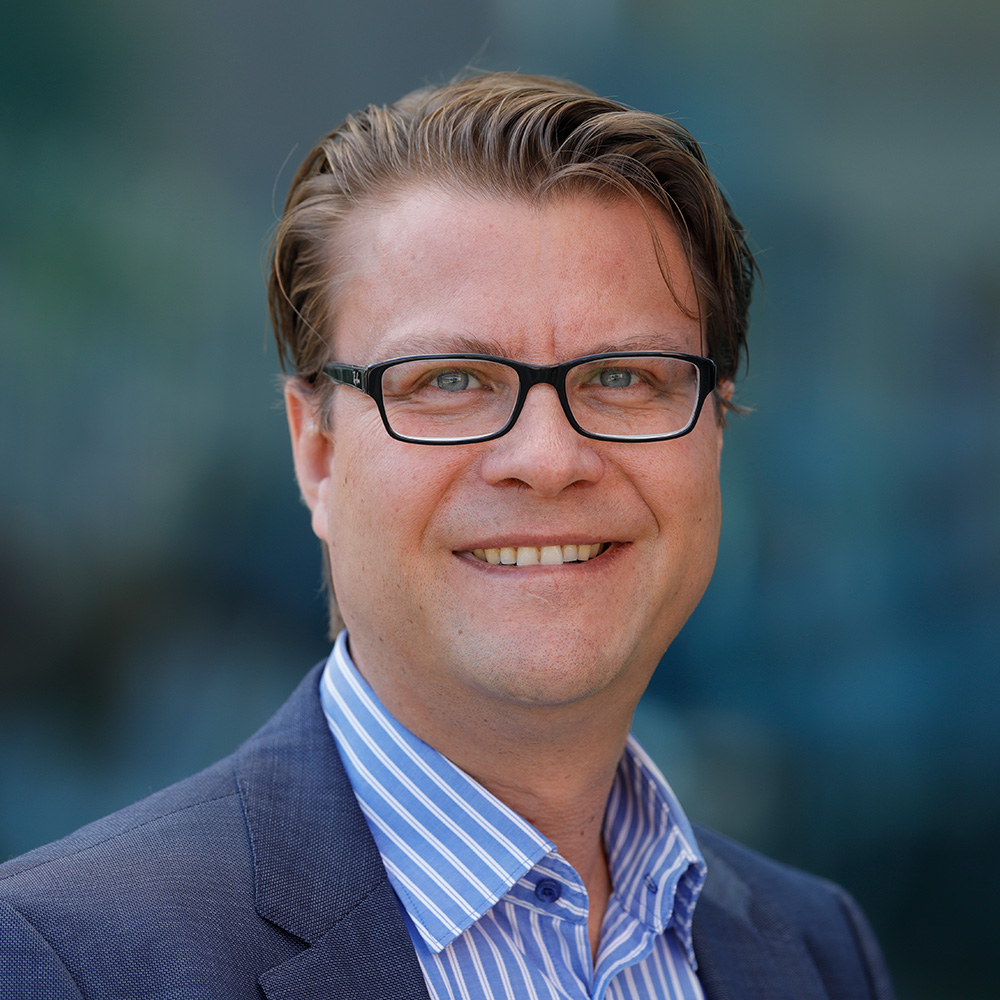
Prof. Michael Rieger
Photo: Uwe Dettmar
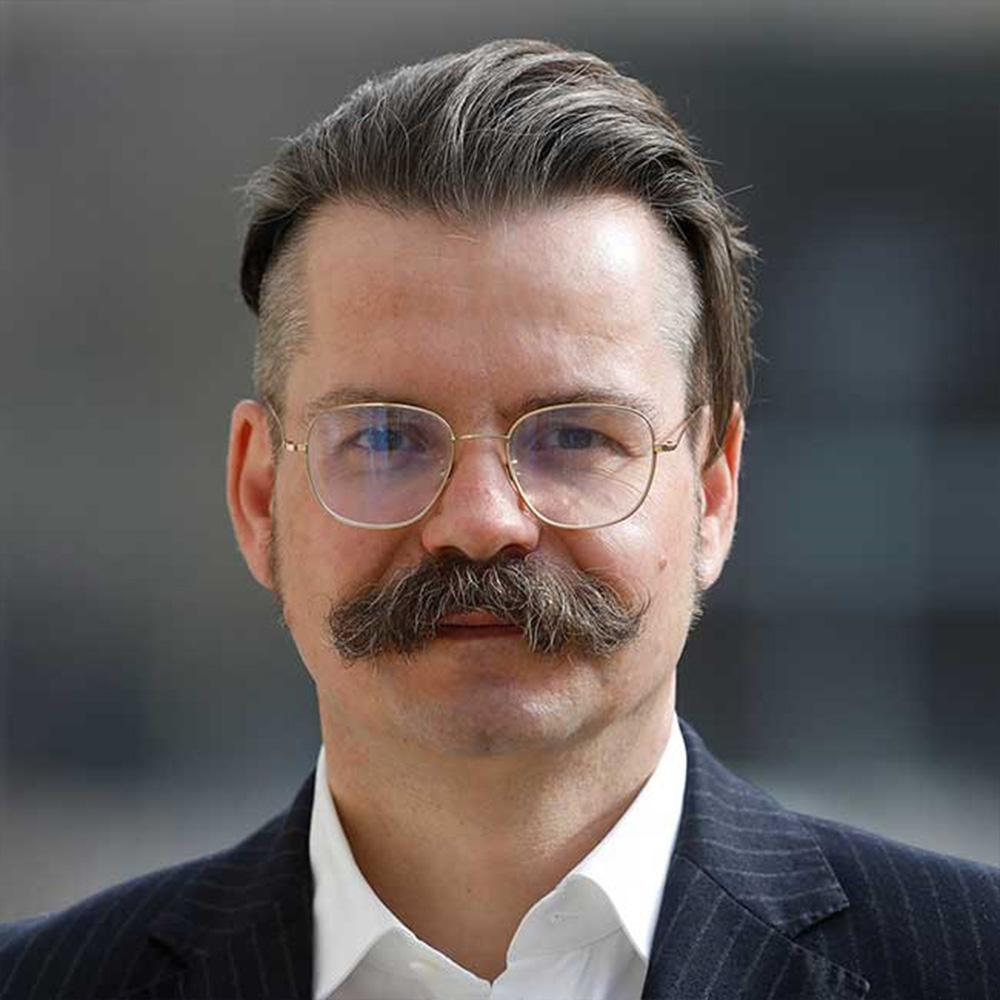
Prof. Tobias Tröger
Photo: Uwe Dettmar
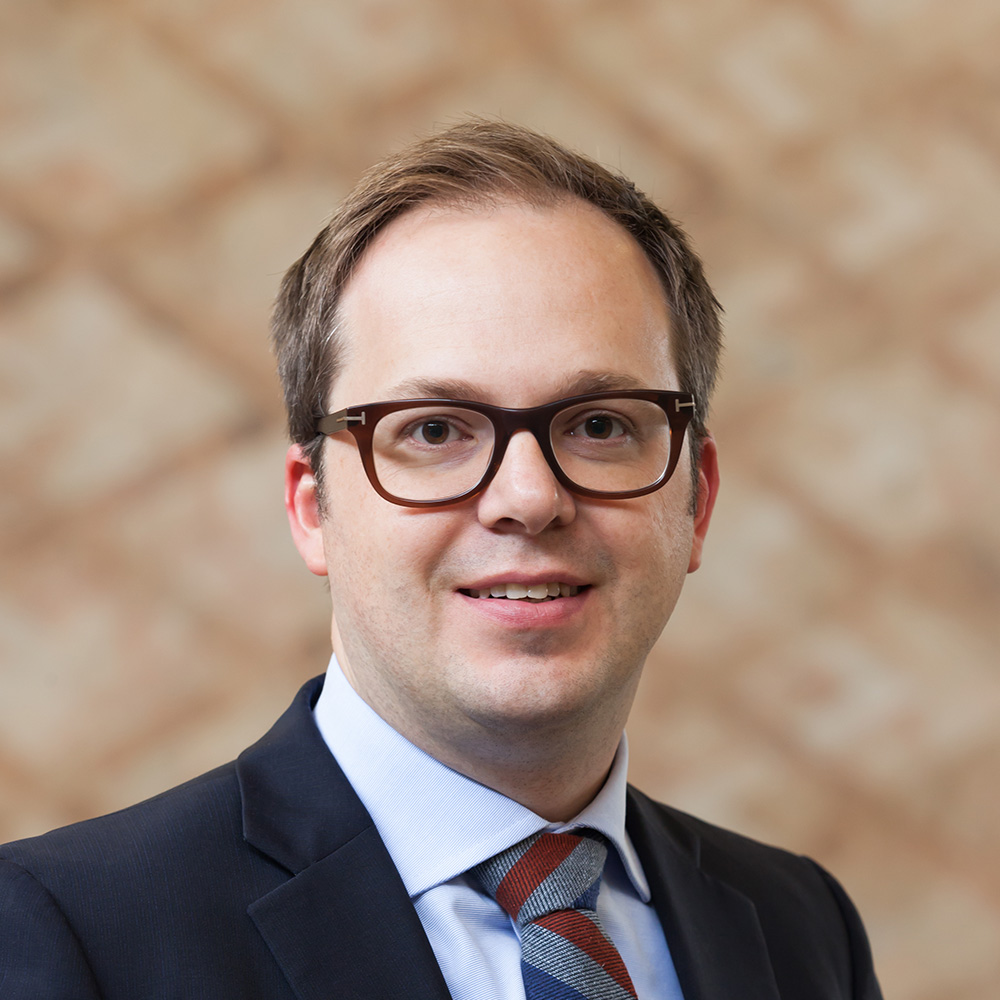
Prof. Rainer Haselmann
Photo: Oliver Hege
The HERZBLUT research group will investigate why clones of mutated blood cells sometimes grow in ageing people – a process that can be associated with serious disease consequences, such as an increased risk of cardiovascular disease or a pathological proliferation of blood cells as in leukemia. More than 20 percent of over-65s are affected. What biological processes underlie this? Which genes are predominantly affected by the mutations? In which cases do younger people also suffer? The research group "Clonal Hematopoiesis: Pathomechanisms and Clinical Consequences in the Heart and Blood (HERZBLUT)", whose spokesperson Prof. Michael Rieger works at the Department of Medicine at Goethe University and at Frankfurt University Hospital, is investigating these questions. Researchers from basic research and clinical practice are working together to understand exactly how the process works and how it is linked to various diseases. The aim is to be able to use the new findings for therapeutic applications.
The interdisciplinary research group FOR 5643 with scientists from Goethe University and the University of Giessen is being funded by the DFG for four years with 5.7 million euros.
The interdisciplinary research group "Foundations of Law and Finance(LawFin)" has been extended for a second funding period. The group of academics from Goethe University and the Leibniz Institute for Financial Research SAFE, jointly led by economist Rainer Haselmann and lawyer Tobias Tröger, aims to improve understanding of the interplay between (financial) markets and the legal system as a dynamically evolving system.
- Further DFG funding: Research Training Group
On the transformation of living
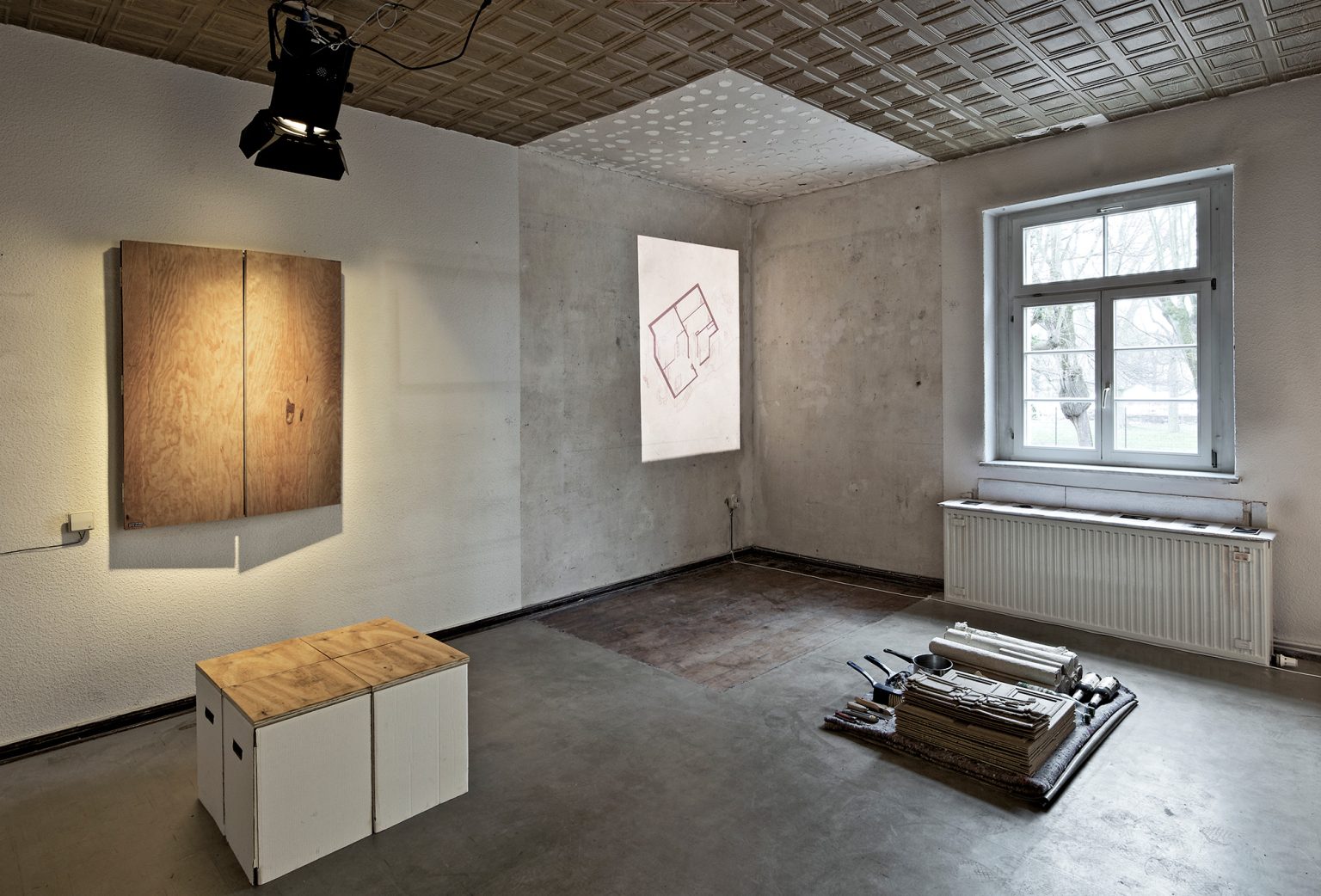
Society is changing and housing is changing with it. And changes in housing also have an impact on society. A joint research training group between Goethe University Frankfurt and Bauhaus University Weimar aims to get to the bottom of these interrelationships. In 2023, the German Research Foundation approved more than seven million euros for the project.
Anyone looking for an apartment in Frankfurt or any other major city can tell you a thing or two about it: There is simply not enough on offer, and the ones that do exist are often too expensive. Living in the city has long since become attractive again, and local authorities have to ask themselves how more and what kind of housing should be created: Tear down old buildings? Increase building density? Develop new housing estates? And how to tackle the social issue? On the other hand, there are often empty houses in more rural regions. How can this resource be used in times of home office and teleworking, even after the coronavirus pandemic?
These or similar could be the questions that young researchers will address in the new research training group "GeWohnter Wandel". The research training group, for which the German Research Foundation (DFG) has provided 7.2 million euros in the first five-year funding phase in 2023, is spread across two locations: The Bauhaus-Universität Weimar is home to the structural engineering and design perspective, while Goethe University is home to the social science perspective. For the first five years, Barbara Schönig, Professor of Urban Planning at the Faculty of Architecture and Urbanism, will be the spokesperson for the research group at the University of Weimar. After five years, the Frankfurt human geographer Sebastian Schipper will act as spokesperson – provided that the continuation of the project is also funded.
There is no common platform for housing research in Germany
Sebastian Schipper has held a Heisenberg Professorship for Geographical Urban Research at Goethe University since 2020. "Housing research is carried out in many different disciplines, but in Germany – unlike internationally with 'Housing Studies' – there has been no common platform for this to date," says Prof. Schipper, describing the initial idea. With the Research Training Group, he now wants to create a basis for changing this in the long term. The immediate aim of the Research Training Group is to establish a sustainable and internationally visible research platform in the field of interdisciplinary housing research that will also have an impact beyond Germany's borders. The graduates are in high demand both at universities and in practice.
The idea for this came about during Schipper's appointment negotiations. He found the right counterpart in Weimar, as the relevant planning and construction expertise exists here. There were already personal contacts at: Schipper himself worked at the Bauhaus University Weimar for a while. His habilitation thesis dealt with the question: "Withdrawing housing from the market? Urban social movements in Tel Aviv-Jaffa and Frankfurt am Main". His DFG-funded Heisenberg Professorship is primarily devoted to questions of applied critical geography with a focus on housing research. His research and teaching focuses on the political economy of housing, gentrification processes and urban social movements. From fall 2024, junior researchers at the Weimar and Frankfurt locations will also conduct interdisciplinary research into the current housing situation. Interdisciplinarity means, for example, that each project will be supervised by both Frankfurt and Weimar, i.e. it will be linked to both the social sciences and the building sciences.
In fact, the connection between human geography, sociology and architectural history on the one hand and construction, planning and design sciences on the other is obvious: housing is a basic human need, and how people live shapes not only the individual, but also society as a whole. On the other hand, housing and housing needs reflect social change processes and upheavals: changing family structures, the need for energy-saving and climate-friendly construction and housing, digitalization.
The topics of the college also depend on the applicants
In order to strengthen cohesion in society, urban development faces the major challenge of creating more socially just housing. The call for proposals will focus on three fields of work: "Everyday life and appropriation", "Regulation and control" and "Production and management". It remains exciting to see exactly which topics will be tackled in the Research Training Group, as this ultimately depends on the applicants. In the first funding phase, which will last five years, twelve young scientists can be accepted into the research training group twice. A further twelve doctoral positions will be added in the second funding phase. One postdoctoral position will be located at the Institute for Social Research, which is one of the cooperating institutions, as are the Institute for Housing and Environment Darmstadt, the Frankfurt University of Applied Sciences (UAS), the Klassik-Stiftung Weimar, the Thuringia Building Culture Foundation and the Federal Association for Housing and Urban Development.
As part of the research training group, there will be a lecture series every semester, alternating between Weimar and Frankfurt. There will be joint excursions, primarily by train and within Europe, in the interests of climate protection. Sebastian Schipper, who himself studied in Münster and received his doctorate in Frankfurt, hopes that the research training group will provide valuable practical insights and fresh ideas – not only with regard to the situation in prosperous cities, but also for rural and structurally weak regions.
asa
The article (abridged here) first appeared in UniReport 6/23.
- Further DFG funding: Reinhardt Koselleck Project
On the poetics of rhythm

Prof. Achim Geisenhanslüke
Photo: Uwe Dettmar
Reinhart Koselleck Projects are awarded by the German Research Foundation to academics who have proven themselves through excellent academic achievements. The projects offer them the opportunity to carry out a particularly innovative or, in a positive sense, risky research project within five years.
As such, Professor Dr. Achim Geisenhanslüke's "Poetics of Rhythm" project was awarded the contract at the end of 2023: The literary scholar assumes that the possibilities of systematically and historically developing a poetics of rhythm are far from exhausted. His research project is now pursuing a comparative approach to the literary-theoretical question of the fundamental significance of rhythm for poetics, relating this question to poetry from modernism to the present day. The project starts in 2024.
- Further DFG funding: Emmy Noether Program
Discover new natural substances
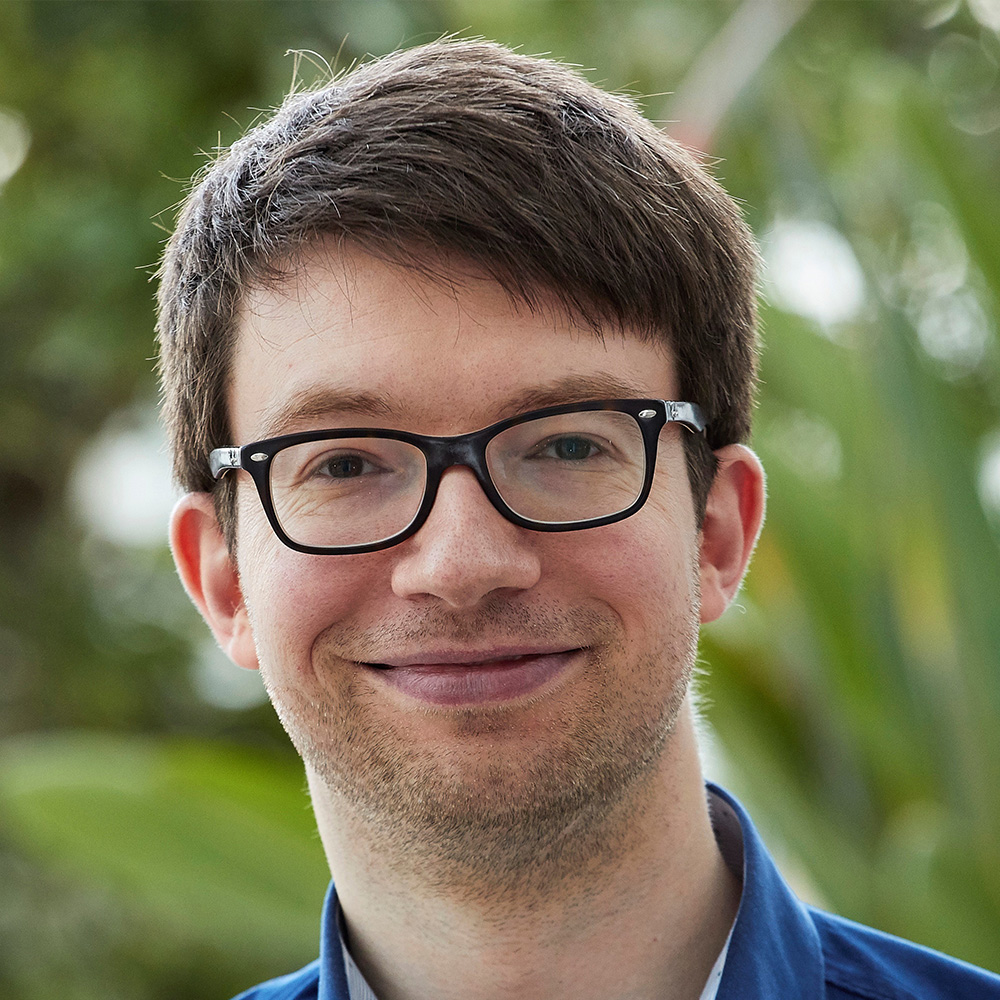
Prof. Eric Helfrich
Photo: Jürgen Lecher
Eric Helfrich, Professor of Natural Product Genomics at the Hessian LOEWE Center for Translational Biodiversity Genomics (LOEWE-TBG) and Frankfurt's Goethe University, has set himself the goal of developing new methods to track down previously undiscovered natural products. Since January 2023, he has received a six-year grant of around 1.5 million euros for his research in the Emmy Noether Program of the German Research Foundation for outstandingly qualified young scientists. The special thing about his approach is that the genetic blueprints responsible for the production of unknown natural substances are identified in the genome of organisms using machine learning and then biotechnologically produced in bacteria using new synthetic biology methods.
The Emmy Noether Program gives outstandingly qualified young scientists the opportunity to qualify for a university professorship by leading a junior research group over a period of six years.
Photo: Alexandre Lallemand/Unplash
- EU funding: ERC Grants
Tunneling particles in 3D
In the world of quantum physics, electrons sometimes manage to overcome the binding forces of the atomic nucleus and leave the atom, even though they do not actually have enough energy to do so. Physicist Sebastian Eckart was awarded an ERC Starting Grant in 2023 for his research into this so-called quantum mechanical tunnel effect.
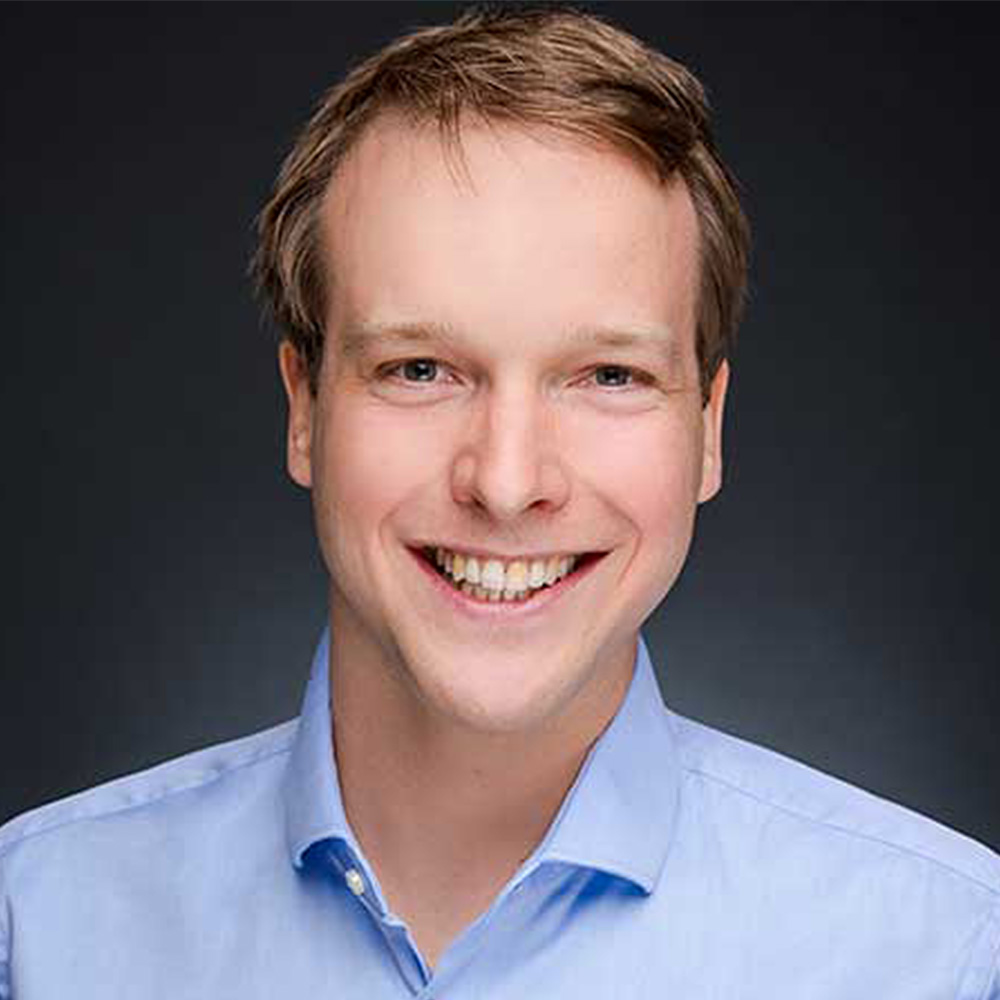
Dr. Sebastian Eckart
Photo: private
The "Starting Grant" from the European Research Council (ERC) offers experimental physicist Sebastian Eckart from the Institute of Nuclear Physics the opportunity to break new ground in physics with his research group: "We want to look at the quantum mechanical tunnel effect in three dimensions," says Eckart. "This has not been possible in this form until now, although the tunnel effect has been known and well studied for decades, as it is of fundamental importance for quantum physics."
In the tunnel effect, a particle penetrates a potential barrier which, according to the rules of classical physics, is insurmountable for the particle. An analogous example from mechanics is a ball that can only roll over a hill if its kinetic energy is higher than the potential energy it has at the top of the hill. In quantum mechanics, particles can occasionally overcome such hills even if they do not actually have enough energy to do so: They then "simply" move through the hill, which is known as "tunneling". This makes the tunnel effect one of the seemingly paradoxical quantum phenomena. It can be explained in quantum mechanics roughly as follows: due to the peculiarities of quantum physics, particles are also waves. An extension of these particle waves can reach through the potential barrier, enabling the particle to manifest itself beyond the barrier and thus "free" itself from it.
"Persuaded" to tunnel
"We take simple argon atoms as the system to be investigated by sending a beam of this noble gas through our sample chamber," says Eckart. The potential barrier required for the tunnel effect consists of the electromagnetic attraction that the atomic nucleus exerts on the electrons of the argon atoms. With extremely strong laser pulses, which hit the atom from different directions and reach an intensity of around one quadrillion watts per square centimetre at the point of intersection, the electrons in the atom can then be "persuaded" to tunnel from time to time. Even if the frequency of the irradiated laser pulses is too low to cause direct ionization, at such strong field intensities the electric fields of the laser pulses shift the electron particle waves in such a way that the tunneling effect becomes possible and actually occurs in around a quarter of the atoms.
It will be particularly exciting for the basic understanding of the tunnel effect to see how the properties of the laser pulses – i.e. their oscillation directions in all three spatial dimensions – interact with the tunneling electrons. It is known that the angular momentum of the light particles and the electrons can have a strong influence on the tunnel effect. Certain combinations of the properties of the laser pulses and the released electrons strengthen or weaken the effect. However, this has never been investigated in three dimensions. Eckart is using a Frankfurt co-invention for this purpose: the COLTRIMS reaction microscope, which can be used to resolve atomic events in three dimensions. This will make it possible to answer old and fundamental questions about quantum physics and the interaction of light and matter.
The ERC grant-funded project started in 2023 and will be funded to the tune of around 1.8 million euros over 5 years. It is assigned to the "Space, Time & Matter" profile area at Goethe University.
mbe
- EU funding: ERC Grants
Major construction site in the cell
The endoplasmic reticulum is a cell organelle with a number of important functions. Disruptions in its functions cause neurodegenerative diseases such as Parkinson's and Alzheimer's, as well as cancer. Ivan Đikić was awarded an ERC Advanced Grant for his research into the dynamics of ER remodeling. This is the third Advanced Grant that Đikić has received from the European Research Council.
The body is subject to a constant repair and renewal process. This includes breaking down damaged or no longer required cell components and providing their building blocks for the construction of new components. If these processes are disrupted, this can lead to a variety of diseases. The largest membrane network in the cell, the so-called endoplasmic reticulum (ER), is particularly dynamic. This system of membrane tubes and pockets is subject to a constant remodeling process in order to be able to perform its many tasks, including the synthesis and transport of proteins.
The continuous remodeling of the ER takes place via a process known as selective autophagy, whereby autophagy can be roughly translated as "self-digestion" (Greek autos = self, phagein = eat). Autophagy is an important cellular quality control mechanism through which damaged or no longer required cellular structures are disposed of – or, as in the case of the ER, remodeled. Although ER phagy is the subject of intensive research, much is still unknown about the exact mechanisms and dynamics of this special form of selective autophagy.
ERC Advanced Grants are highly competitive
As Director at the Institute of Biochemistry II at Goethe University and Max Planck Fellow at the MPI of Biophysics, Ivan Dikic conducts research into ER phagy and the cell's own "ubiquitin" recycling system, which plays an important role in this process. His project ER-REMODEL (Endoplasmic reticulum remodeling via ER-phagy pathways) is funded by an Advanced Grant from the European Research Council (ERC). ERC Advanced Grants are highly competitive and fund groundbreaking research projects by experienced researchers. ER-REMODEL will receive around 2.5 million euros over a funding period of five years (2023-2027).
It is known that a group of signal-receiving proteins (receptors) is involved in the remodeling of the ER. These are located in the membrane of the cell organelle, i.e. its envelope, and are responsible for causing it to bend and thus form the typical branched membrane network. If the receptors are missing or defective, neurodegenerative diseases can develop.
For autophagy, the receptors collect at a specific site and increase the curvature there to such an extent that part of the ER is pinched off. These membrane vesicles are then taken up and broken down by cellular recycling structures, the autophagosomes, so that the individual building blocks are available again for new syntheses. However, in order for the receptors to form clusters, they have to change their structure. The small protein ubiquitin plays an important role in this process.
Ubiquitin is a core component of an important cellular recycling system that is found in all living organisms except bacteria. "It is involved in the regulation of many important processes in the cell. That's why research into it never gets boring and new, surprising discoveries are constantly being made," explains Dikic, who is also the spokesperson for the DFG Collaborative Research Center 1177 on selective autophagy. In principle, ubiquitin can be thought of as a kind of label: By attaching it to a protein, it tells the cellular machinery what to do with this protein – whether its function should be changed or whether it should be degraded.

Understanding how selective autophagy is regulated
Dikic's work on ER phagy focuses on the membrane curvature receptor FAM134B. Ubiquitin binds to FAM134B and thereby changes its shape. "In this way, ubiquitin promotes the formation of clusters of this receptor and thus drives ER phagy," summarizes the biochemist. "This is a completely new facet of this incredibly versatile protein."
With the help of structural investigations, functional tests and computer modeling, Dikic wants to map with the highest possible resolution how the membrane receptors regulate the multi-stage process of ER phagy through ubiquitin and cluster formation within the framework of ER-REMODEL. This knowledge is essential in order to understand the role that changes in ER remodeling play in the development of neurodegenerative diseases, cancer and infections. Ultimately, the results of the project should also help to understand the regulation of other cell organelles by ubiquitin-mediated selective autophagy.
The ER-REMODEL project is assigned to the "Molecular & Translational Medicine" profile area.
Larissa Tetsch
EU funding: Further ERC grants
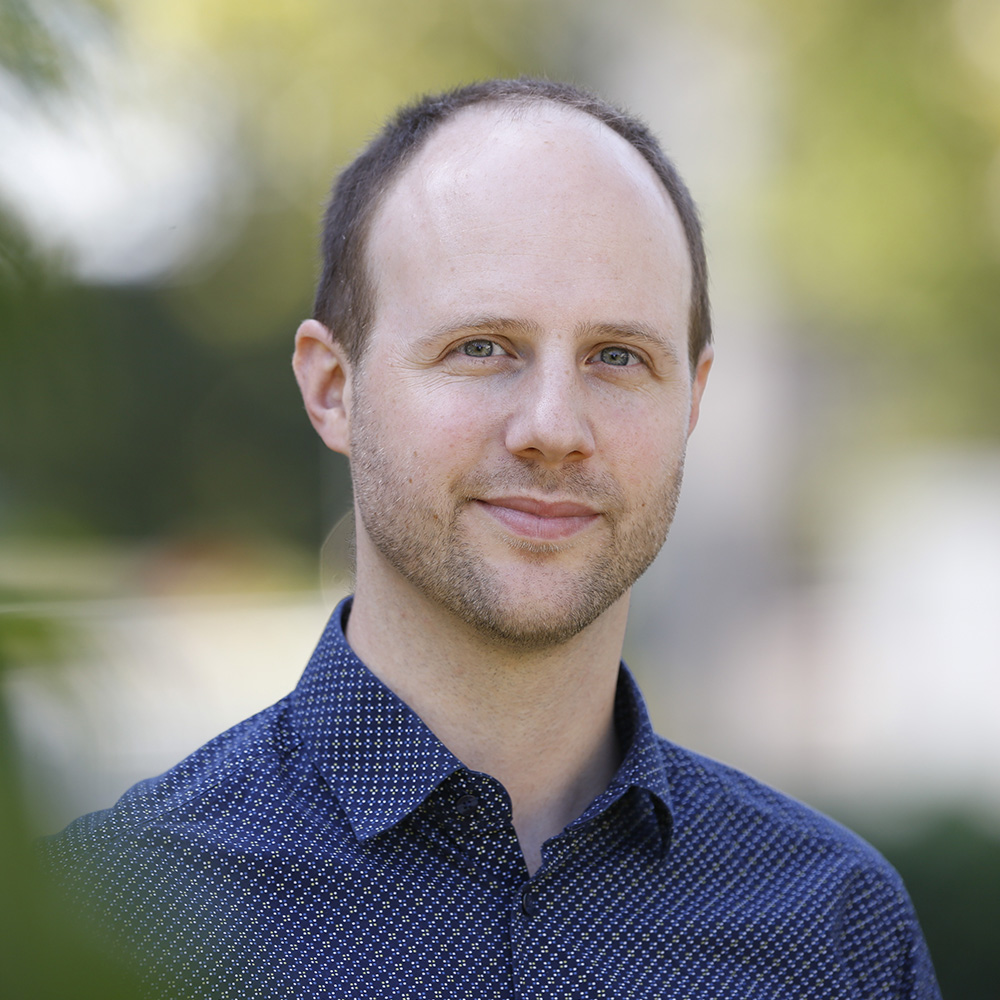
Christian Münch
Photo: Uwe Dettmar
received an ERC Consolidator Grant in 2023 for research into a mechanism he discovered that the cell uses to operate its recycling system: what he calls "autoexitus". In his new research project, Christian Münch is investigating a new type of degradation process that the cell uses to maintain a finely balanced equilibrium with its constant synthesis of diverse substances and organelles. In what is known as autophagy, the cell encloses components that are no longer needed in membrane vesicles, within which these components are broken down. However, the "AutoXitus" degradation pathway discovered by Münch leads to the contents of these membrane vesicles being transported out of the cell. One of Münch's research questions is whether the cell can use this to signal to its neighbors that it is in a state of stress, for example as a result of a viral infection or a neurodegenerative disease.
Christian Münch has been Head of the Department of Quantitative Proteomics at the Institute of Biochemistry II at Goethe University Frankfurt since 2016. His research focuses on cellular stress responses to misfolded proteins in the cell's power plants (mitochondria) as well as infections and diseases. His aim is to understand how the entire cell system reacts to stress. He has already received an ERC Starting Grant, Emmy Noether funding and a number of awards for his work.
The project on the "AutoXitus" degradation pathway is assigned to the "Structure & Dynamics of Life" profile area.

Tobias Berg
Photo: Uwe Dettmar
received a Consolidator Grant for his research project "The Role of the Banking Industry in Climate Change" while he was still Professor of Finance at the Frankfurt School of Finance & Management. He moved to Goethe University before the start of the project. The grant has a volume of 1.84 million euros over five years (2023-2028).
Professor Berg's project is dedicated to understanding the role of the banking sector in combating climate change. How can banks contribute to the decarbonization of the economy and through which channels do they exert their influence? More than half of CO2 emissions come from bank-dependent sectors of the economy, and a large proportion of renewable energy is financed by banks. Nevertheless, the role of banks in combating climate change is not yet well researched and understood.
The research project will analyze the various channels through which the banking sector plays a central role in combating climate change. These include, for example, regulation and governance mechanisms, the function of state-owned banks and the interaction between markets and banks. The project will examine the role of the banking sector for both companies and private households.
Supported by artificial intelligence (AI) and machine learning, the project will collect and develop unique new data – and thus, for example, also help political decision-makers and society as a whole to understand and overcome one of the most important challenges of our time.
Tobias Berg's project belongs to the "Orders & Transformations" profile area.
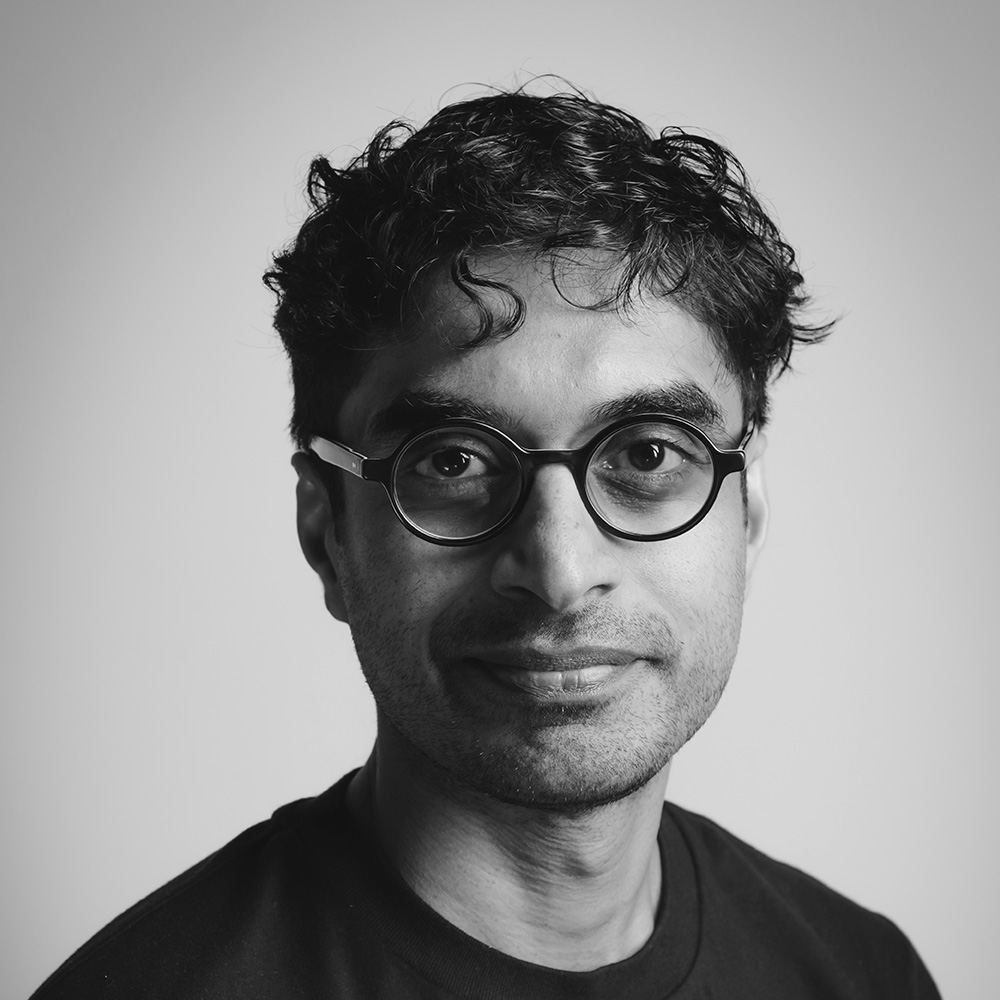
Leo Kurian
Picture people, Cologne
has brought an ERC Consolidator Grant with his move from the University of Cologne to the Department of Medicine at Goethe University. Kurian started the 2 million euro funded research project "TRANSCEND – Translational specialization of cellular identity in embryonic development and disease" in March 2023 and continues it at Goethe University.
Kurian is investigating exactly how the information encoded on the DNA is transmitted to enable the healthy development of an embryo. The Consolidator Grant will be used to re-evaluate the current scientific understanding of the regulation of mRNA translation. This includes the fate of embryonic cells and what type of cell (stem cell or specialized somatic cell) they develop into. These processes are particularly central to the development of the human heart.
Loss of translational control is a major cause of heart disease, including hypertrophic cardiomyopathy, in which the left-sided outflow tract of the heart narrows, the heart muscle stiffens and cardiac arrhythmias can occur. The aim of TRANSCEND is to gain a better understanding of translational control over cell fate decisions. This should open up new ways of controlled therapeutic restoration of heart function.
The TRANSCEND project is assigned to the "Molecular & Translational Medicine" profile area.
With the ERC Advanced Grant, the European Research Council (ERC) funds ground-breaking research projects by experienced scientists. They receive up to 2.5 million euros for the projects over a period of up to five years.
With the ERC Consolidator Grant, the European Research Council supports excellent, promising scientists whose working group is in the consolidation phase. The grant is intended to enable them to expand their own research area and conduct visionary, basic research. With a funding volume of up to two million euros for five years, the Consolidator Grant is one of the most highly endowed individual funding measures in the European Union.
ERC Starting Grants support excellent researchers who, in the first few years after completing their doctorates, are setting up their own research teams and want to establish themselves scientifically with a promising research project. They receive up to €1.5 million for the projects over a period of up to five years.
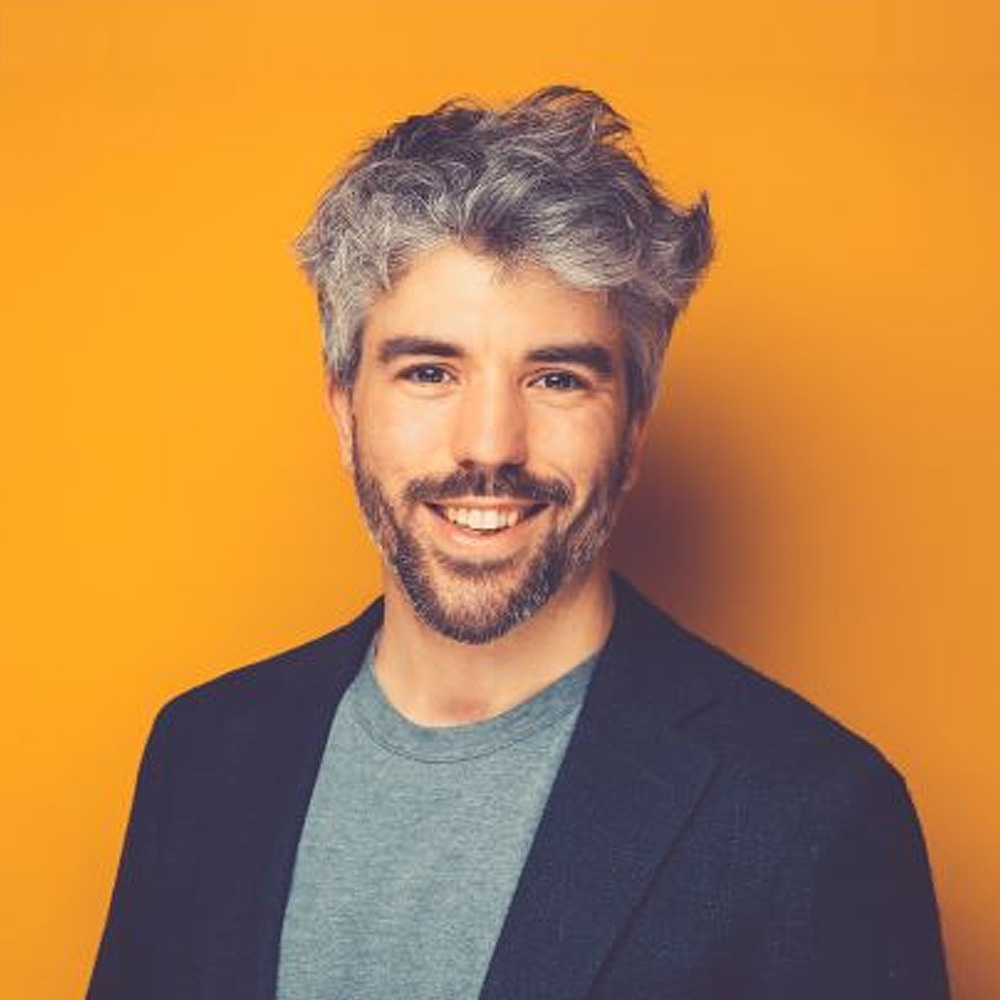
Mirco Göpfert
Photo: Uwe Dettmar
has started his ERC Starting Grant-winning project "NoJoke" ("Humour as an epistemic practice of the political present" on the relationship between humor and politics) as Professor of Anthropology at the Institute of Anthropology in 2023. In the project, which is funded until 2027, Göpfert is investigating how the practice of caricaturing, satire and comedy contributes to understanding this political present, which is riddled with dissonance, and to what extent the epistemic potential of comedy can be made fruitful for science itself. The project comprises five sub-projects: The aim is to analyze postcolonial entanglements in political satire in Mexico and to ask what a decolonial indigenous satire might look like; to investigate what consequences the blurring of boundaries in the media, serious and unserious, investigative and satirical formats have for the claim that there is such a thing as a "serious sphere" in the political present. The research focuses on cosmopolitan stand-up comedies in Berlin, the work of Iranian satirists and caricaturists in exile and queer comedies in India.
The NoJoke project is part of the "Universality & Diversity" profile area.

Lars Leszczensky
Photo: Uwe Dettmar
brought an ERC grant for his project "ChiParNet – The Interplay of Children's and Parents' Networks in Shaping Each Other's Social Worlds" with him when he joined Goethe University in 2023. The sociologist from the Department of Social Sciences will receive around 1.5 million euros to find out how social contacts between children and parents influence each other. As our social worlds are still divided by categories such as ethnicity, religion and social class, the weakening of social boundaries is crucial for creating equal opportunities and building a cohesive society. Segregated networks mark boundaries from childhood and persist into adolescence and beyond. Research emphasizes the influence of parents on children's contacts, but largely neglects the fact that children also influence their parents' contacts.
The project aims to expand knowledge about intergenerational boundaries by developing and testing a theory of how networks between children and parents develop over time in educational environments with varying degrees of diversity. To this end, a panel data set of child and parent networks will be collected for several cohorts from kindergarten to secondary school. The results of the project will provide a solid scientific basis on which policy makers can develop measures to break down barriers between future generations.
The project is located in both the "Orders & Transformations" and "Universality & Diversity" profile areas.
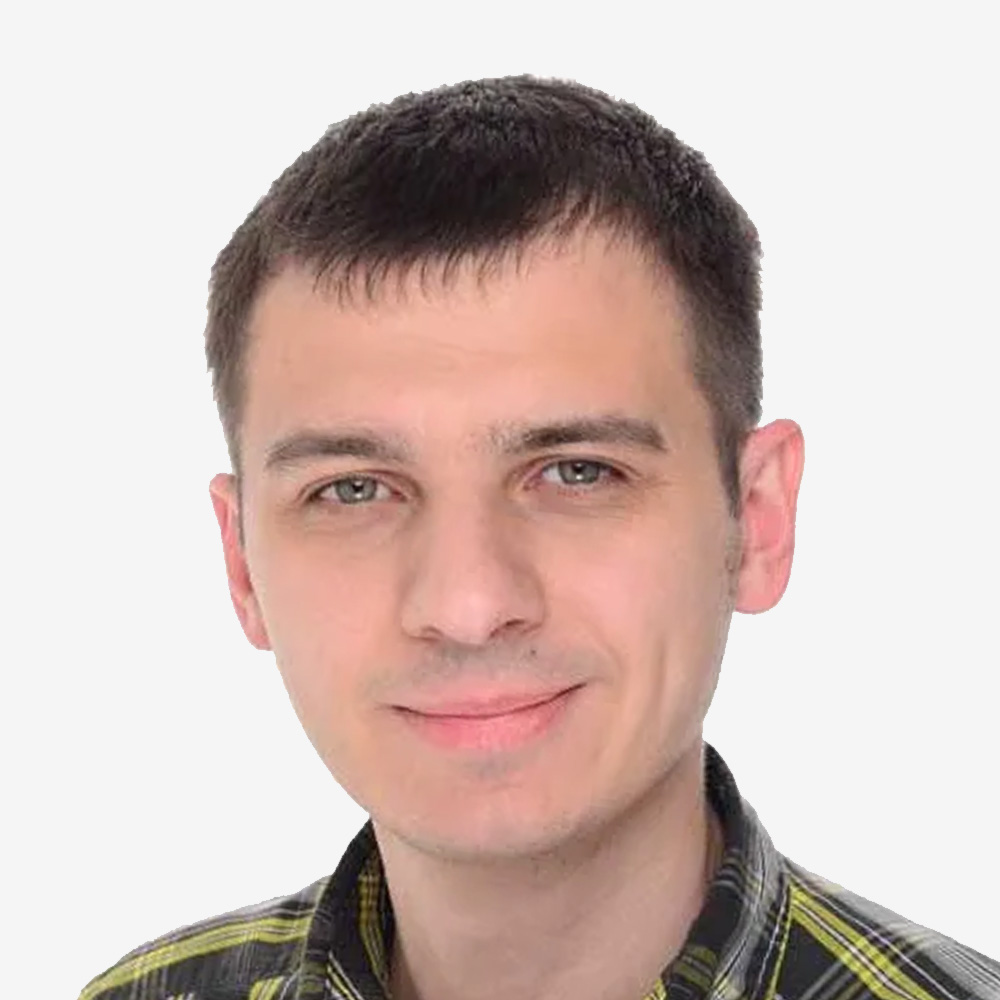
Maxim Bykov
Photo: Uwe Dettmar
has been awarded a LOEWE Starting Professorship at the Department of Biochemistry, Chemistry and Pharmacy at Goethe University in 2023 and brought a Starting Grant from the European Research Council (ERC) to Goethe University as part of this; funding for the project "HIPMAT: High-pressure nitride materials: towards the controllable and scalable synthesis in a diamond anvil cell" began in fall 2023. Bykov works with "High Pressure High Temperature" processes, which expose chemical substances to extremely high pressures of up to 1.5 million atmospheres and temperatures of more than 5,000 degrees Celsius. According to Bykov, this process opens up new possibilities for producing materials with special properties. New ferroelectric materials, for example, could be used for future 6-G communication technology. New semiconductors, in turn, could help to use solar energy more efficiently. A "green rocket fuel" is also conceivable.
The research project, which is funded for five years, is located in the "Space, Time & Matter" profile area.
- EU funding: Collaborative projects
Spaces for disempowered groups
17 partners are conducting joint research in the EU joint project "INSPIRE – Intersectional Spaces of Participation: Inclusive, Resilient, Embedded", which has been funded since 2023. It is coordinated by Brigitte Geißel, Professor at the Department of Social Sciences at Goethe University.
The project is a response to the deep legitimacy crisis of representative democracy. The citizens' movements that have emerged, such as climate assemblies and participatory budgeting, are examples of democratic innovation. On the one hand, they are celebrated for their potential to combat political mistrust and polarization by deepening public engagement. On the other hand, they are accused of being cosmetic solutions to deep-seated problems that continue to exclude already disempowered groups (along socio-economic, gender, racial, physical and mental ability lines).
INSPIRE aims to address these problems and failures by creating participatory spaces that are inclusive and based on the needs and assets of marginalized groups, responding to changes in governance and building on existing grassroots work. In doing so, they aim to support the resilience of communities and are embedded in the wider public sphere and productive relationships with political institutions.
The project in the "culture, creativity and inclusive society" work program in Horizon Europe was funded for three years with a total of almost EUR 2.5 million. Frankfurt will receive funding in the amount of EUR 600,000. Project start is April 2024.

- EU funding: Marie Sklodowska-Curie Program
Doctorate in practical forensics
In the Marie Sklodowska-Curie Program, Goethe University will coordinate a newly approved doctoral network for international, structured doctoral training in 2023 – thus closing a gap in forensic training. In the world of forensic science, every crime scene tells a unique story, which often includes the subtle presence of non-human biological traces. Animal hairs, pollen, soil organisms and environmental DNA are just a few examples of these elusive clues. However, there was a lack of expertise in the EU to effectively analyze and utilize these natural traces at postgraduate level. The "Natural Traces" project, involving ten partner institutions and coordinated by Apl. Prof. Jens Amendt at Goethe University, will enable ten PhD students to receive comprehensive training in practical forensics. The training will be provided by academic and non-academic partners, police academies and laboratories and will start in 2024.
Marie Skłodowska-Curie actions are part of the European "Horizon 2020" program. The funding program was set up by the European Commission to support the mobility of scientists across countries and sectors. It also aims to make scientific careers more attractive and to make Europe even more interesting as a research location. The aim of the Marie Skłodowska-Curie measures is not least to create a strong pool of European researchers.

Photo: De Visa/shutterstock
- Research funding through foundations
A giant group without attention
Young people in training who care for older people: they are the focus of the "InterCare" research project, which is funded by the Volkswagen Foundation. One of many projects supported by foundations.
Around one in eight young people in education – i.e. school pupils, trainees and students – are (jointly) responsible for the well-being and care of elderly, sick or disabled relatives or other loved ones. This is the result of a study by the German Center for Higher Education Research and Science Studies. This means that this group is larger than that of students with their own offspring.
Young women and young people with a migration background in general are more likely to be affected by having to juggle care and education. "A huge group, but one that is completely overlooked in public perception," says Dr. Anna Wanka, who wants to use her research to find out what everyday life is like for these young people, what difficulties they have to overcome and how they can be supported. After all, being responsible for an older person often influences school performance and the decision for or against going to university or further education, especially in another city. And those who do decide to do so have to struggle with a guilty conscience, shame towards peers and lecturers, as well as hurdles in the daily reconciliation of education and care.
When burdens are unevenly distributed between generations
The "InterCare" project is the first comprehensive research project to take a close look at this group. The official start of the research will be in October 2024, from then on, 1.2 million euros will flow from the Volkswagen Foundation over four years. Wanka applied to the foundation as part of the "Challenges and Potentials for Europe: Intergenerational Futures" funding line. She also heads the Emmy Noether research group "Linking Ages" at Goethe University, which focuses on age constructions in the life course.
In view of the ageing population in all European countries, the Volkswagen Foundation's funding program was primarily aimed at research groups working on issues relating to demographic change. Those responsible were to come from at least three different European countries. In addition to the British Anglia Ruskin University and the Jagiellonian University in Krakow, the Niederrhein University of Applied Sciences in Mönchengladbach is also taking part in the program in the person of Moritz Heß, Professor of Gerontology. In Poland, for example, the situation is very much characterized by the fact that professional nursing staff work in western countries, especially in Germany, where they earn more money. In Poland, there is a shortage of these professionals, which puts even greater pressure on relatives there.
Interviews in tandem
The first phase of the study will involve a quantitative survey in Germany: How many people are actually affected? What is the situation at educational institutions? Where do the rules – for example compulsory attendance in laboratories and seminar rooms – make it impossible to participate in the course? The results will then be compared with the situation in the UK and Poland. For a second phase, "dyadic interviews" are planned, which are characterized by the fact that a "tandem" of a young person with care responsibilities and the person being cared for are interviewed individually and together. "The separate interviews are necessary because shameful topics, experiences of violence and restrictions on freedom should also be discussed," says Wanka. The project is partly participatory, which means that those affected help to shape the course of the study themselves and, together with the researchers, produce a virtual exhibition and a podcast series to raise awareness of the topic.
asa
You can read an interview with sociologist and gerontologist Dr. Anna Wanka here: full-time-study-part-time-care
- Further research funding from foundations
Europe's abandoned places
The project "Wasteland Futures. Intergenerational relations in abandoned places across Europe" examines how relationships between generations in abandoned places in Europe are changing due to demographic change and what concepts for the future are emerging there. The focus is on two case studies on former coal mining communities in Great Britain and Germany ("below ground") as well as an iron ore mining town in Austria and a Danube Delta community in Romania ("above ground"). The study includes an ethnographic and co-creative approach: together with creative professionals, project partners and participants, utopian narratives about the future will be developed and how the term "generation" can be redefined will be investigated.
The spokesperson is Dr. Anamaria Depner from the Department of Education, with cooperation partners in Romania and the UK, among others. The project will start at the beginning of 2024 and is being funded by the Volkswagen Foundation for four years with 1.5 million euros as part of the "Challenges and Potentials for Europe: Intergenerational Futures" funding line.
- Further research funding from foundations
Therapy concepts for rare cancers
In 2023, German Cancer Aid established the "Preclinical Drug Development" funding priority program to strengthen this field of drug development at universities. Preclinical drug development starts where the molecular biological mechanisms of a disease are largely uncovered and a drug for treatment needs to be identified and tested. Despite great progress in the field of targeted cancer therapies, there are still numerous rare and difficult-to-treat cancers whose treatment is dependent on research into new active substances and innovative concepts. With the 11.8 million euro funded program, German Cancer Aid aims to expand the interface between basic research and clinical trials.
One of three major funded projects is the multidisciplinary network "TACTIC -Targeting Transcriptional Addiction in Cancer" at Goethe University. The project, coordinated by Professor Stefan Knapp from the Institute of Pharmaceutical Chemistry, focuses on the development of so-called small molecules for cancer medicine. Knapp also coordinates the Germany-wide network of the three projects, which brings together expertise from biology, medicine, pharmaceutical chemistry, pharmacology and immunotherapy. The five-year funding for Goethe University amounts to 4 million euros.
- Further research funding from foundations
Jewish literature, philosophy and music in Nazi Germany
The intellectual and artistic activities of Jews in National Socialist Germany are the focus of a new joint doctoral program of Goethe University Frankfurt am Main, European University Viadrina Frankfurt (Oder) and Franz Liszt School of Music in Weimar. With around 900,000 euros, the Hans Böckler Foundation announced in July 2023 that it will fund the interdisciplinary doctoral program "Broken Traditions? Jewish Literature, Philosophy and Music in Nazi Germany" for an initial period of 4.5 years.
From the summer semester of 2024 onwards, nine doctoral students at all three universities will conduct research into the intellectual and artistic activities of Jews that were mediated, openly articulated or illegally disseminated within Nazi Germany in response to the social disenfranchisement, exclusion and ultimately murder of large sections of European Jewry. The aim of the research group is to expand knowledge of Jewish cultural life in a Jewish cultural sphere within Nazi Germany that has become increasingly segregated since 1933 in the fields of literature, philosophy, religious studies and musicology. The college will be based at the Selma Stern Center for Jewish Studies Berlin-Brandenburg. The International Institute for Holocaust Research of the Yad Vashem Memorial, the Franz Rosenzweig Minerva Research Center of the Hebrew University of Jerusalem, the Leo Baeck Institute Jerusalem and the Music Department of the Dr. Hecht Arts Center of the University of Haifa have been secured as cooperation partners.
- Endowed professorships
How the cell reacts to stress
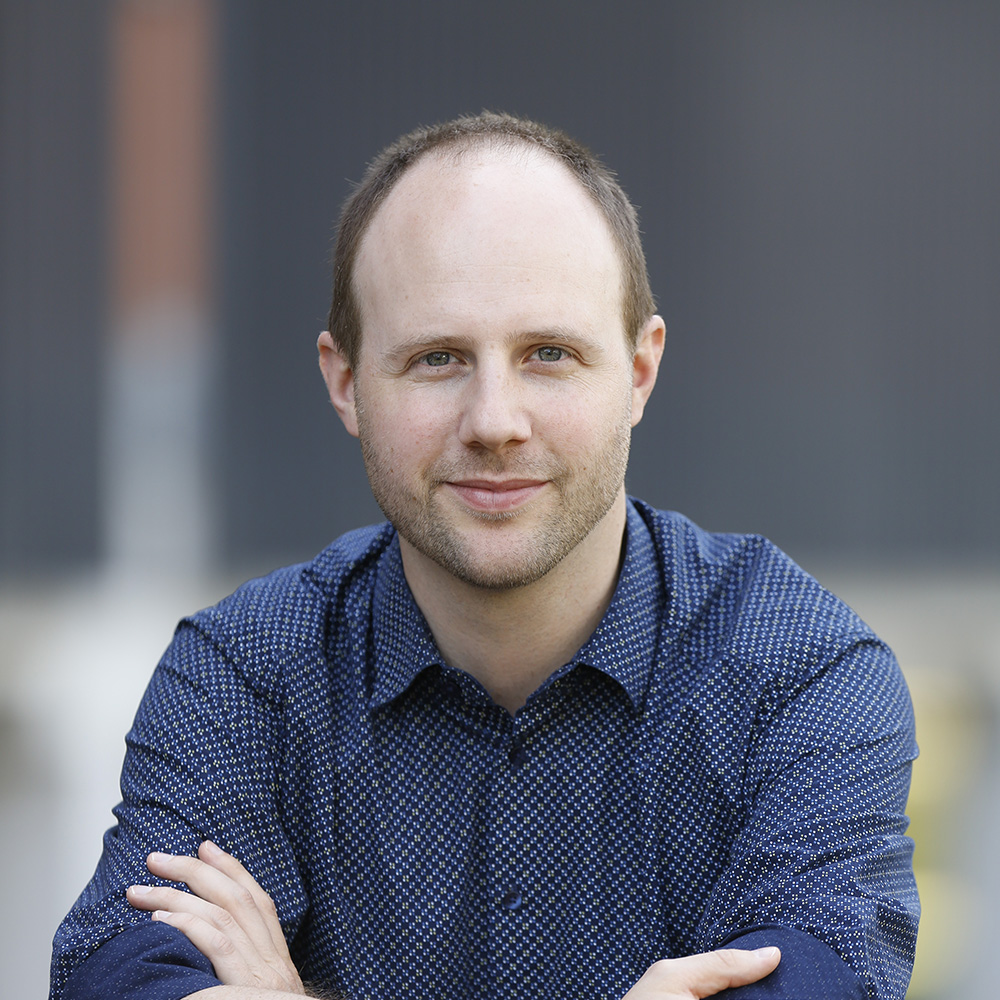
Christian Münch
Photo: Uwe Dettmar
In December 2023, biochemist Dr. Christian Münch took up the Lichtenberg Endowed Professorship for Molecular Systems Medicine, a professorship that is permanently funded by the foundation's income. In particular, he will investigate neurodegenerative diseases and cancer at the cellular level in order to identify new targets for their treatment. The Volkswagen Foundation provided the foundation capital of two million euros as part of its "Lichtenberg Endowed Professorships" program. A further three million euros were contributed by the Johanna Quandt University Foundation, the Alfons and Gertrud Kassel Foundation and the Dr. Rolf M. Schwiete Foundation.
Christian Münch received his PhD from the University of Cambridge and worked as a postdoctoral fellow at Harvard Medical School. Since 2016, he has been head of the Protein Quality Control research group and the Quantitative Proteomics department at the Institute of Biochemistry II at Goethe University. His research goal is to understand how the entire cell system reacts to stress. This is triggered by diseases, for example: the finely balanced system of substance synthesis and degradation and of division and rest is thrown out of sync. Instead of individual metabolic or signaling pathways, Prof. Christian Münch focuses on the cell as a whole in order to track down the disease mechanisms and discover starting points for new therapies. His professorship focuses on two projects: One is about the role of the complex membrane system "endoplasmic reticulum" in neurodegenerative diseases and the development of cancer. On the other hand, the focus is on how the cell ensures its balance (homeostasis) in protein synthesis and degradation through certain enzymes that shred proteins. If such enzymes (proteases) are dysregulated, this can lead to the formation of plaques between nerve cells in Alzheimer's disease, for example.
- Making endowed professorships more sustainable
Goethe University is increasingly relying on alternative financing for endowed professorships: in the "endowed chair" model, private donors do not invest directly in a professorship, but in an endowment fund. This is because endowed professorships at universities are usually problematic in one respect: they are limited in time, usually to ten, sometimes only five years. After that, the funding ends, unless the funding is extended or the university can continue to finance the position from its own budget. However, if the appointment is for more than six years, the university must ensure in advance that it will continue to fund the professorship afterwards.
The "Endowed Chairs" model developed at Goethe University, based on the American model, now provides for foundations, companies or private individuals not to finance a professorship directly, but to pay their resources into a fund. The income from the endowment fund or several such funds can then be used to pay the personnel costs of a professorship on a permanent basis. In the endowed chair model , Goethe University also has the opportunity to decide more freely on the research area of the professorship after a certain period of time.
Three professorships were already created in 2022 via the "Endowed Chair" model. Four foundations have joined forces for the new Lichtenberg Endowed Chair: the Volkswagen Foundation, the Johanna Quandt University Foundation, the Alfons and Gertrud Kassel Foundation and the Dr. Rolf M. Schwiete Foundation.
- Endowed professorships
More weight for virus research
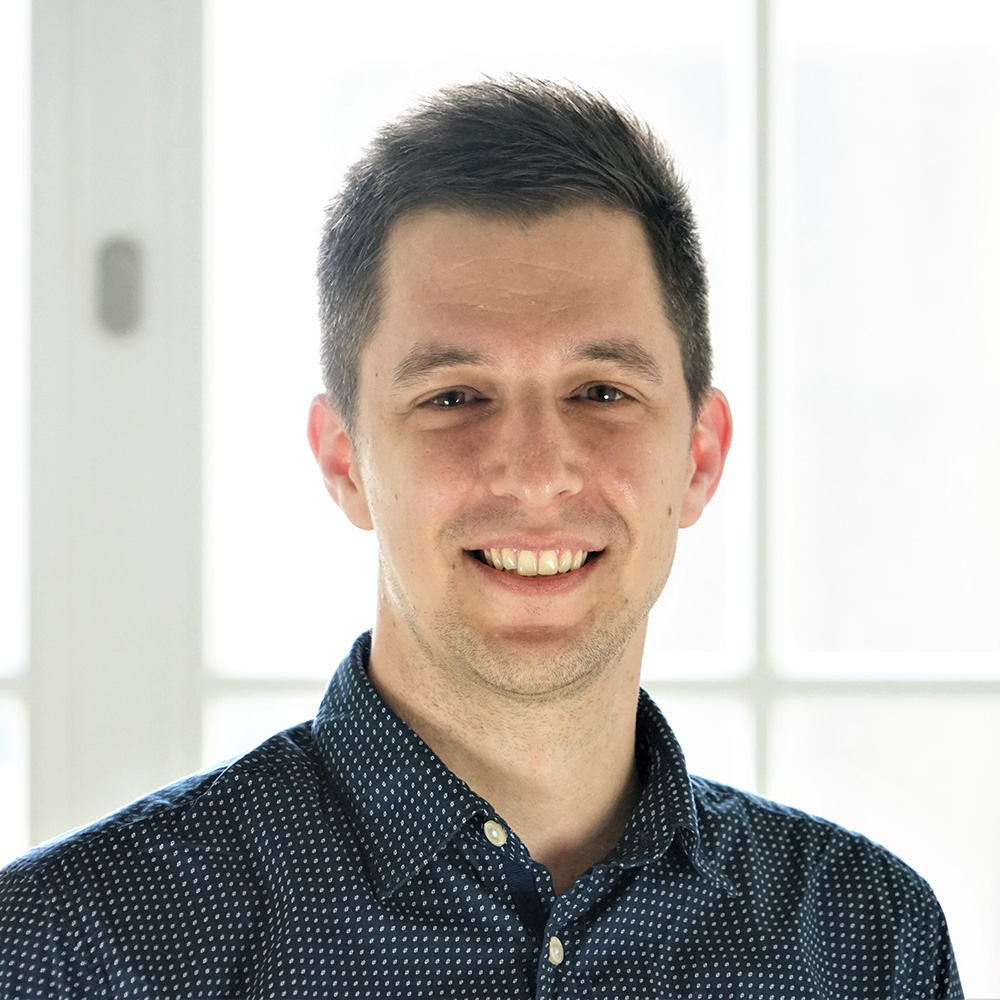
Mathias Munschauer
Photo: Hilde Merkert
Also in December, Prof. Mathias Munschauer from the Helmholtz Institute for RNA-based Infection Research in Würzburg took up the "Willy Robert Pitzer Endowed Professorship for Molecular Virology of Human Pathogenic RNA Viruses". This will strengthen research and teaching at the Institute of Medical Virology at Frankfurt University Hospital. The first five years of the endowed professorship will be funded by the LOEWE top professorship of the state of Hesse, which was awarded to Prof. Sandra Ciesek in 2021. The Willy Robert Pitzer Foundation will subsequently provide funding for the professorship for a further five years.
Mathias Munschauer's research group investigates RNA-protein interactions between host and pathogen in infection processes. It is working to understand the functions and underlying mechanisms of RNA during an infection. Their aim is to use this knowledge to advance the development of host-targeted therapeutics.
Mathias Munschauer, born in 1985, began working with RNA and RNA-binding proteins during his studies at Rockefeller University. For his doctorate at Freie Universität Berlin, he conducted research at the Max Delbrück Center for Molecular Medicine in Berlin and at New York University, where, among other things, he developed technologies with which all RNA-binding proteins in a cell can be recorded simultaneously. In his work, Mathias Munschauer's team combines technologies from the fields of biochemistry, genomics, molecular biology and bioinformatics.
Foto: jeswin-thomas –unsplash
- Projects funded by the federal and state governments
"Performance makes school"
The research association of the same name has been awarded the contract by the federal and state governments to continue its research project in 2023. The federal and state governments are also funding numerous other projects at Goethe University – including a LOEWE Top Professorship and a LOEWE Start Professorship.
- Research projects funded by the state of Hesse and the federal government
"Leistung macht Schule" goes into the field
Better recognizing and promoting the individual strengths and potential of children and young people – that is the aim of the federal and state government initiative "Leistung macht Schule" (LemaS). The research association of the same name has been awarded the contract to provide scientific support for the transfer of the results from the first funding phase to other schools in 2023. Goethe University plays an important role in this. It alone is being funded with around 2.6 million euros.
The initiative is set to run for a total of ten years and is being funded by the federal and state governments with 125 million euros. Twenty-six scientists from 17 universities are involved in the LemaS-Transfer research network, which will research the implementation of the project at 1,300 schools in the second funding phase. Since 2018, the research network has been working with 300 schools of all types in a total of 22 sub-projects to develop strategies, concepts and materials for promoting gifted and talented students, which have already been tested at the participating schools. The results of this collaboration between science and practice will now benefit other schools. As in the first funding phase, the project will also be supported in the transfer phase from July 1 by a federal-state working group as well as education policy and administration in the federal states. The goals are a school culture that promotes talent, the individualization of lessons and the subject-specific design of potential-oriented lessons in the areas of STEM and languages. In the long term, the LemaS products are to be made available to every school nationwide via a digital platform.
Johannes Mayer, Professor of German Literature with a focus on literary didactics at Goethe University, will continue to act as project manager for the work focus on professionalization in the area of teaching development in language subjects and is a member of the steering group. In addition, the Central-West Regional Center, one of a total of five LemaS centers nationwide, is located at Goethe University and is headed by Barbara Asbrand, Professor of Educational Science with a focus on general didactics and school development.
asa/pb
More details on the website: LemaS Research
- Research projects funded by the federal government
Networking for digitization
The BMBF-funded DigiNICs project stands for "Digitally supported Networked Improvement Communities to strengthen digital sovereignty in the subjects of language education". It is being funded with 1.17 million euros from July 2023 to the end of 2025 with the aim of providing schools, teachers and teacher training with practical, inclusion-promoting and scientifically sound solutions for effective digital and digitally supported teaching in the subjects of language education. To this end, networks of different stakeholder groups are being established, known as Networked Improvement Communities (NICs). The universities involved in the regional networks in Hesse, Saxony and North Rhine-Westphalia specialize in three different areas. Prof. Britta Viebrock and Prof. Johannes Mayer, both from the Department of Modern Languages, are leading the project at Goethe University.
- Funded by the State of Hesse: LOEWE Center
Understanding mental disorders as dynamic networks
In July 2023, Goethe University was awarded a new LOEWE center, its fourth: The DYNAMIC center, in association with three Hessian universities, will receive 14.7 million euros in an initial funding period from 2024 to 2027.
If the causes and symptoms of mental illnesses are better understood, they can be treated more specifically, i.e. more individually. The new LOEWE center DYNAMIC will use AI to research the networked interaction of disease factors and further develop therapies. The center is supported by Goethe University Frankfurt, Philipps University Marburg, Justus Liebig University Giessen and Darmstadt University of Technology. The research project is also supported by scientists from the Leibniz Institute for Research and Information in Education (DIPF) and the Ernst Strüngmann Institute for Neurosciences (ESI). The respective medical departments and the psychotherapy outpatient clinics of the psychological university institutes are also involved. The leadership alternates: Prof. Dr. Andreas Reif, Director of the Clinic for Psychiatry, Psychosomatics and Psychotherapy at Frankfurt University Hospital, will succeed the University of Marburg as spokesperson.
The core idea of DYNAMIC is to understand mental disorders as dynamic networks of psychopathological, psychological and biological processes. These dynamic network models can revolutionize the understanding of mental disorders and their treatment, because they enable a better understanding of the interdependencies of individual symptoms and syndromes and also show the dynamics of their changes in mental disorders. AI is used to evaluate these dependencies, for example to determine causalities from the observed data.
- Funded by the state: LOEWE exploration for unconventional innovative research
From heart disease in women and fatty acids in tumor cells
Two research projects at Goethe University have been accepted into the new LOEWE Exploration funding line for unconventional innovative research: From March 1, 2024 for the duration of up to two years, they will receive funding totaling three million euros.
Women-specific prevention and treatment of heart disease
When women suffer a heart attack, other forms of deposits in the vessels (plaque erosions) are often the cause in younger women than in older women (plaque ruptures). The plaque rupture has a significantly worse medical prognosis. Dr. Lena Marie Seegers is using a cardiovascular imaging procedure in the cardiac catheterization laboratory at Frankfurt University Hospital to investigate which women with a gender-specific increased risk develop certain forms of plaque. Among other things, she is also analyzing whether the biological age of women increases the risk of developing a certain type of plaque.

Capers of fatty acid biosynthesis in tumor cells
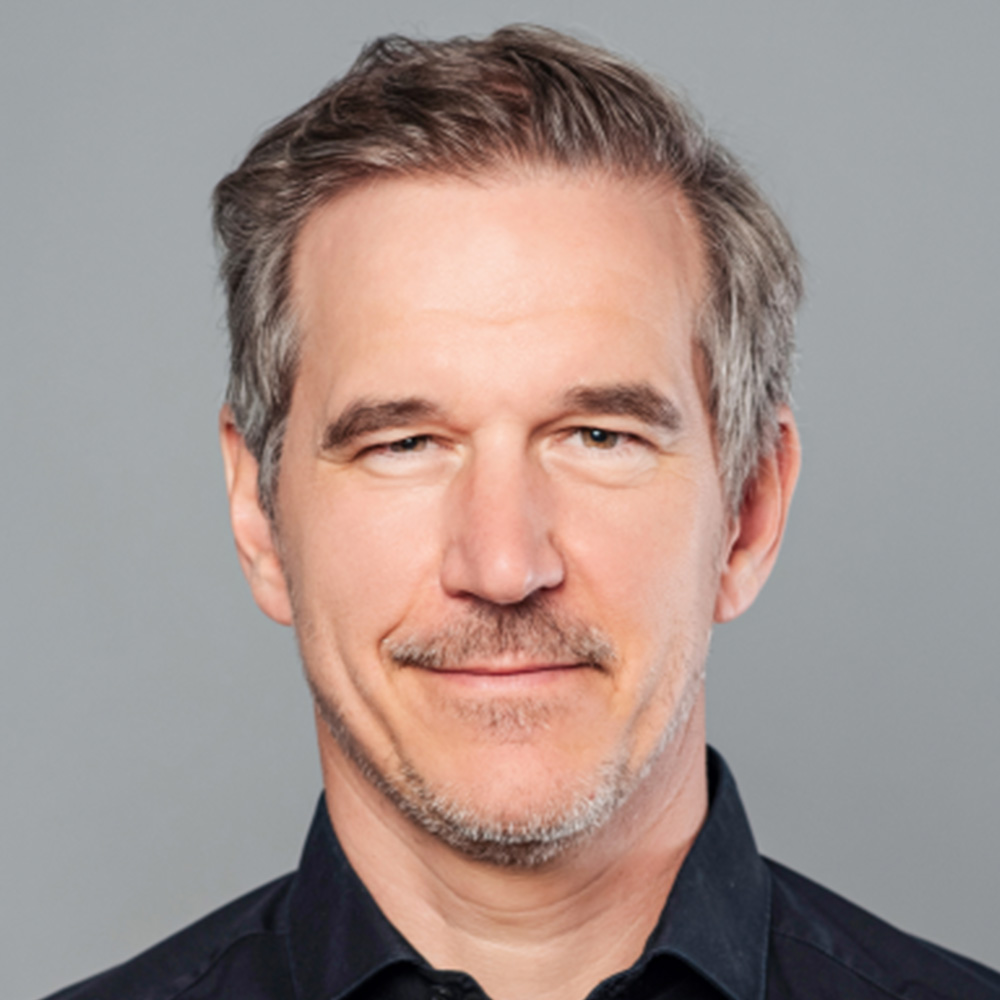
Martin Grininger
Photo: private
One of the ways in which the metabolism of a tumor cell differs from that of a healthy cell is in its increased production of fatty acids. Prof. Martin Grininger from the Institute of Organic Chemistry and Chemical Biology at Goethe University and the Buchmann Institute of Molecular Life Sciences is trying to hijack the tumor cell's fatty acid synthesis in order to convert a non-toxic precursor drug into toxic compounds that then kill the tumor cell. To do this, it will use the enzyme complex fatty acid synthase (FAS), which catalyzes the synthesis of fatty acids and is often found in increased amounts in tumors. Healthy cells, which have relatively low FAS activity, would be spared with this approach, so that the side effects of the drug would presumably be minimal.
- Funded by the state of Hesse: LOEWE top professorship
Nicole Deitelhoff
In May 2023, political scientist Prof. Nicole Deitelhoff was awarded a LOEWE top professorship, which is based at Goethe University and the Leibniz Institute Hessian Foundation for Peace and Conflict Research (HSFK). The top professorship comes with a grant of 1.8 million euros, which Deitelhoff intends to use to set up a research group at the university and HSFK. Deitelhoff is an internationally recognized expert in peace and conflict research and is at the head of several research networks and heads a Leibniz Institute. With a LOEWE top professorship, the state of Hesse can honor excellent, internationally renowned researchers. The award is accompanied by funding of 1.5 to 3 million euros for five years.
Nicole Deitelhoff has been Professor of International Relations and Theories of Global Governance at Goethe University since 2009. Together with Prof. Dr. Rainer Forst, she heads the Research Center Normative Orders at Goethe University. Since 2016, Deitelhoff has been Director of the Leibniz Institute Hessian Foundation for Peace and Conflict Research (HSFK). She is also co-spokesperson for the Research Institute for Social Cohesion (FGZ), which is funded by the Federal Ministry of Education and Research, and spokesperson for the Leibniz research network "Environmental Crisis – Crisis Environments (CrisEn)".
Her central research topics are conflicts over norms and institutions, theories of domination and resistance, and conflict theories of democracy and cohesion.

- Funded by the state of Hesse: LOEWE-Start-Professorship
Maxim Bykov
Chemist Dr. Maxim Bykov has been awarded a LOEWE start-up professorship at the Department of Biochemistry, Chemistry and Pharmacy at Goethe University Frankfurt (GU). The material and personnel resources for the professorship will be funded by the LOEWE research program of the state of Hesse to the tune of over 700,000 euros for a period of six years.
Dr. Maxim Bykov's LOEWE Start Professorship is dedicated to the search for compounds with superconducting, superhard, magnetic and electronic properties. The aim is to develop sustainable materials that can be used in a variety of technological applications such as nanoelectronics and spintronics, drug delivery, the development of magnets, pressure-responsive memory circuits and information storage devices. They are made possible by synthesis under extreme conditions such as high pressure and high temperatures.
Dr. Maxim Bykov began his scientific career at the University of Bayreuth, where he worked at the Bavarian Geoinstitute after completing his doctorate in crystallography in 2015. In 2019, he moved to the USA as a postdoc at Howard University and the Earth and Planets Laboratory of the Carnegie Institution for Science in Washington DC. Since 2021, he has headed an Emmy Noether junior research group at the University of Cologne. There he succeeded in acquiring an ERC Starting Grant under the title "High-pressure nitride materials: towards the controllable and scalable synthesis in a diamond anvil cell"; funding began in fall 2023.

With LOEWE top professorships, excellent, internationally recognized researchers can receive between 1.5 and 3 million euros for five years to endow their professorship.
LOEWE Start Professorships are aimed at excellent scientists at an early stage of their careers, who are recruited or retained in Hessen as a science location for a period of six years with funding of up to two million euros.
All information on the LOEWE program, including the professorships awarded to date, can be found at loewe.hessen.de
- Research infrastructure
The spectrometer that came through the ceiling
The new NMR spectrometer at Goethe University is one of four large-scale measuring devices in Germany. It has been in operation on the Riedberg campus since October 2023.
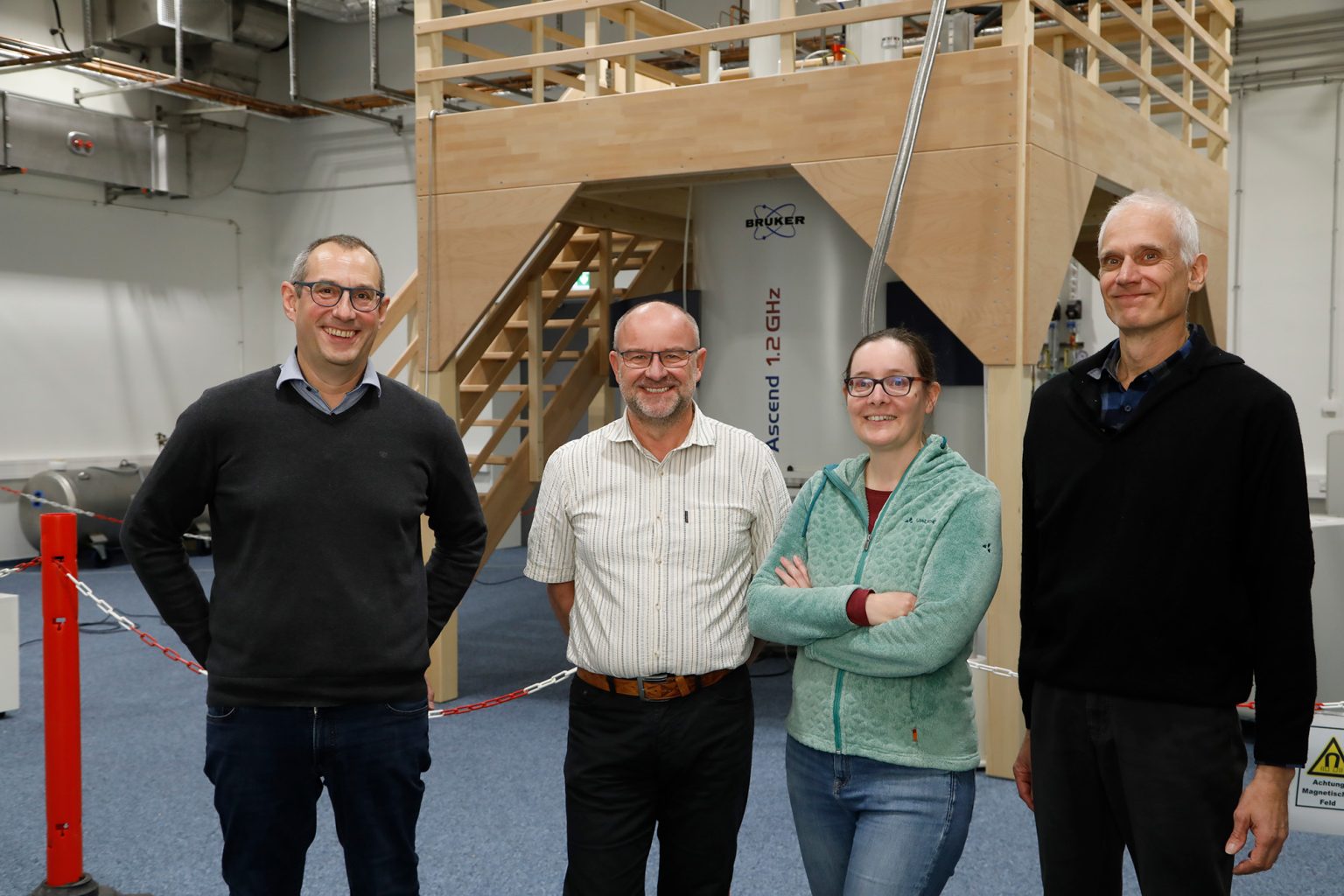
Rarely has the university had to take such a long time to acquire a large piece of equipment as it did with the new 1.2 Giga Hertz NMR spectrometer. It took eight years for the underground extension to the Biozentrum on the Riedberg campus to be completed and for the eight-tonne device to be lowered through a hatch in the roof. For Christian Richter, who together with Johanna Baldus and Frank Löhr looks after the fleet of 22 NMR spectrometers at the Riedberg Campus, it was a particularly challenging time. Because whenever technology pushes the boundaries, new solutions have to be found.
Until autumn 2023, when the new device was put into operation, the most powerful NMR device was a 950 Mega Hertz spectrometer in one of the neighboring halls. The higher the frequency, the higher the resolution of the device. In other words, the better it is possible to detect weak signals that would otherwise be lost in the noise. With the new device, the resolution increases by a factor of 1.26 per recorded dimension. Since very high-dimensional spectra, e.g. 4D experiments, are often recorded, this results in a gain in resolution of 1.26 times 1.26 times 1.26 times 1.26 equals 2.5. And that is a big step forward, explains Richter.
In order for the device to deliver this performance, it must be shielded from interference. A special fiberglass floor ensures that it is not disturbed by the vibrations of the subway, for example, when it passes by the restaurant "Zum lahmen Esel" in Niederursel. In order to suppress thermal noise, the device must be kept at a constant temperature of two degrees above absolute zero. To cool down the spectrometer alone, 2500 liters of liquid helium were required. Another 3000 liters were added for the charging process. For ongoing operation, 250 liters of liquid helium are used. Acquisition costs for the liquid helium: a total of 100,000 euros. To keep costs low, the helium that evaporates when filling the cans and filling the cooling system is collected in a zeppelin-like balloon under the ceiling. It is then transported to the physics building, where it is liquefied again.

Warning ignored and door snatched
Technician Manfred Strupf monitors this and the ongoing operation. The NMR device can be controlled remotely, but if it triggers an alarm because the pump for the helium compressor is not working properly, for example, there must be someone available day and night to rectify the fault. The newly built hall is quiet compared to the other halls with NMR equipment. You don't hear the noise of the compressors and the squeaking caused by the expanding helium gas. In the new hall, there is also a quiet control room next to the spectrometer with several workstations and a conference table. Next to one of the screens is a 3D model of the signals measured on the SARS-Cov-2 spike protein.
The shielding for the strong stray field of the magnet with a strength of 28.2 Tesla has also improved. This is almost 600,000 times stronger than the Earth's magnetic field (in Central Europe around 48 micro Tesla). In the new magnetic field, the radius of the stray field is around five meters and is clearly marked by a barrier tape. A sign warns wearers of pacemakers or artificial hip joints not to exceed this limit. Chip cards, keys, belt buckles and wallets should also not be carried on the body by those climbing the wooden scaffolding to fill the sample container.
What can happen if this warning is ignored is demonstrated by Christian Richter in the hall with the most powerful 900 Mega Hertz spectrometer to date. Its stray field has a radius of around 8 meters. The workmen who were supposed to install a lightning protection cabinet behind this device had walked too close to the device with the metal cabinet doors. The doors were ripped off and thrown against the magnet. Even two strong men were unable to release them.
Measuring time for European colleagues
The new large-scale device, which was financed with funds from the federal government and the state of Hesse, cost 15 million euros and was requested by the professors of the BMRZ (Biomolecular Magnetic Resonance Center) at Goethe University. So far, the only similar facilities in Germany are at the Max Planck Institute in Göttingen and the Helmholtz Centers in Jülich and Munich. Thanks to funding from the European Union, researchers from abroad can also apply for measurement time. They can either send in their samples or measure them themselves if they can demonstrate the necessary skills. They can conveniently analyze the spectra at their home research institute.
In order to keep up with cutting-edge research in the future, there is a second, still empty hall in the new underground research building, which could house the next giant NMR spectrometer in the next few years.
Anne Hardy
The inauguration of the 1.2 GHz NMR spectrometer at Goethe University was attended by University President Prof. Enrico Schleiff, NMR researcher Prof. Harald Schwalbe from Goethe University, Hessian Finance Minister Michael Boddenberg, Federal Research Minister Bettina Stark-Watzinger, State Secretary Ayse Asar from the Hessian Ministry of Science and Thomas Platte, Director of the Hessian State Office for Construction and Real Estate.
Prof. Enrico Schleiff pointed out that "at Goethe University we have the opportunity to conduct cutting-edge research with such a unique infrastructure. The enormously broad range of applications of NMR spectrometry makes it possible to create molecular films of dynamic processes in cells that remain invisible to other techniques." Schleiff thanked Prof. Harald Schwalbe and his colleagues Andreas Schlundt, Ute A. Hellmich, Clemens Glaubitz, Thomas Prisner, Volker Dötsch and Jens Wöhnert as well as the international cooperation partners, whose unique research justified the installation of this facility. "Over the past two years, their investigations into the SARS-CoV-2 virus have already impressively demonstrated the great potential of NMR technology – especially in vaccine development."