We wanted to know: Why did our scientists want to become scientists in the first place? What are they working on, and what do they still want to discover? You can read their answers to these questions and more – including how they motivate their working groups and what they could really do without – as part of this series, which successively introduces some of the people behind the research conducted at Goethe University.
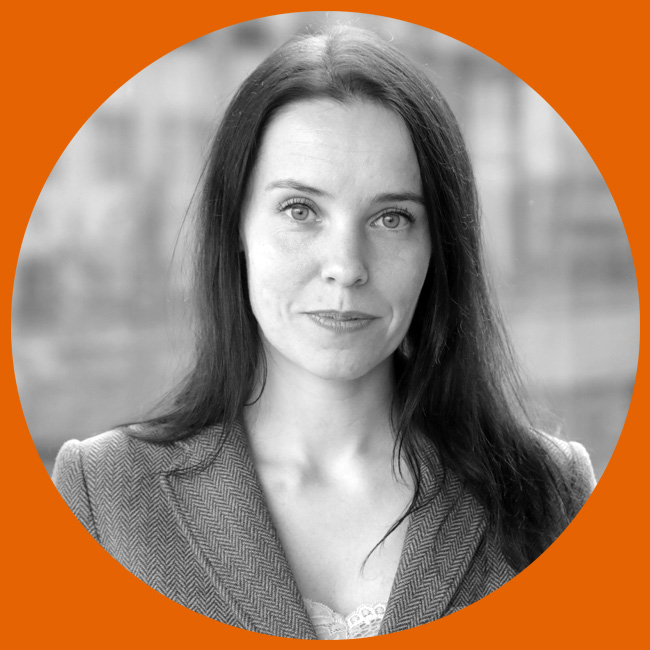
Name: Maike Windbergs
Profession: Pharmacist
Place of Work: Institute of Pharmaceutical Technology
Why did you become a scientist?
As a pharmacist, I want to contribute to understanding and curing so far incurable diseases.
What are you currently working on?
My team and I use complex human in-vitro models to study infectious and inflammatory diseases (including wound infections and inflammatory bowel disease), and develop novel delivery systems that deliver active compounds to their site of action in the human body.
What do you still want to find out?
I would like to develop new therapeutics for the treatment of so far incurable or difficult-to-cure inflammatory and infectious diseases.
What does your ideal workday look like?
An ideal workday is a fulfilling day spent with research and teaching. Although this can take on very different forms, important elements include discussing exciting new research data with my team or colleagues, planning new projects, interactions with students in lectures, and gaining new insights through interdisciplinary exchange.
What could you easily do without in your daily work?
Unnecessary emails, meetings, and tasks that keep me from research and teaching.
What I like about my job is…
…working holistically in a highly motivated team at the transdisciplinary interface between basic research and clinical practice.
How do you motivate your working group?
I try to be a good role model, to convey my own enthusiasm for research, and to carry my team along. It is also important to me to give my working group a lot of freedom to try out their own ideas.
To me, Goethe University Frankfurt is…
…a scientific canvas that provides a structural framework and leaves plenty of space for design.
What should society know about your research? Are there common misconceptions, and if so, which?
Most drugs require carrier systems, constituting a suitable „packaging“, to reach their site of action in the body and take effect. That is what we are working on.
How do you get your mind off research?
I do not in any way aspire to get my head completely free of research. However, oftentimes the occupation with other things – like hiking, reading, traveling, cooking etc. – results in new research ideas.
Prof. Dr. Maike Windbergs is a member of the EMTHERA cluster project. The research network investigates the processes that underlie systemic diseases at the interface of infection, inflammation and immunity.
More information on Prof. Windbergs‘ research topics is available here.