

Goethe in progress 2023 – Research
A Good Research Environment
Anyone working on scientific findings needs an environment that supports and encourages them. Goethe University has further developed this environment for its researchers in 2023. Three examples: It has founded the Future Institute "Center for Critical Computational Studies", which develops and applies computer and data-supported methods across the departments in a questioning manner; and also researches the interactions of digitality and democracy as well as the dynamics of change. With the Go4Tech project, the university has also simplified access to large-scale research equipment. And it has set a decisive course for the career prospects of its early career researchers.
This framework has also contributed to the fact that researchers at Goethe University have once again won numerous international and national grants and awards with innovative projects.
New research projects
A number of Goethe University researchers have successfully acquired projects in 2023 – from the federal and state governments, the German Research Foundation (DFG), the European Union, foundations and other institutions. And with Goethe University's endowed chair model based on the American model, endowed professorships can now be financed on a more permanent basis.

- C³S
A digital campus surrounded by greenery
In May 2023, the new "Center for Critical Computational Studies" began its work. Goethe University has thus taken a significant step towards the further development of computer-, data- and algorithm-based methods.
- Excellence strategy
Research profile sharpened
The Excellence Strategy of the federal and state governments aims to strengthen Germany's top-level research. Decisions are made in several stages.
- Profile areas
Promoting potential
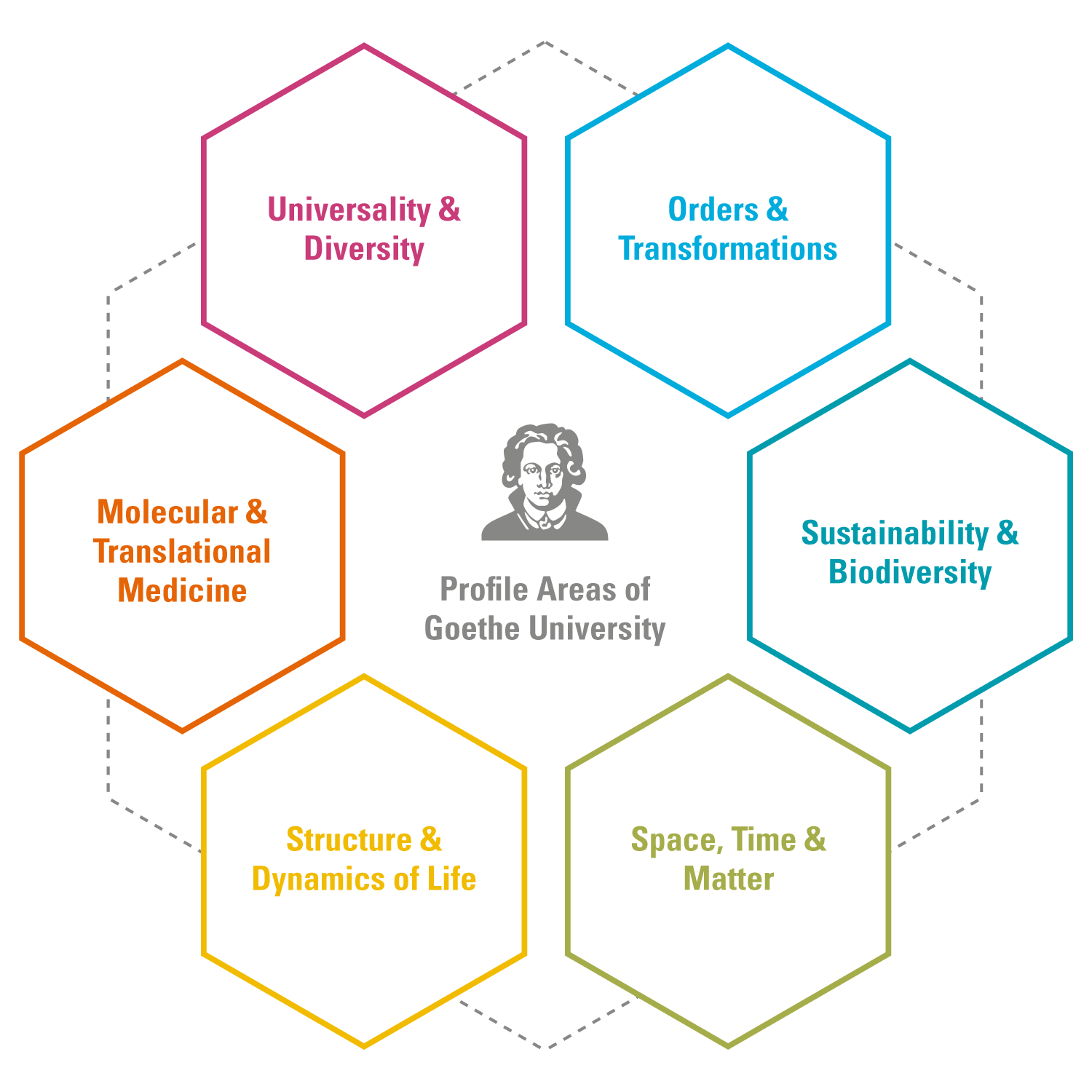
Six interdisciplinary profile areas characterize the research profile of Goethe University. They bundle thematic research focuses and projects. And they offer a forum for new research projects across departmental boundaries.
Short & sweet
- Go4Tech
Go4Tech: Sharing is caring
Numerous large devices are in use at Goethe University. But not all of them are used to capacity. The Go4Tech project was launched in March 2023.

- Ten-point paper
Gender-sensitive research
Artificial intelligence with prejudices or misclassified graves of Viking women – gender and diversity can sometimes have unexpected significance for research.
- Frankfurt Institute for Social Research
"Our society is driven by contradictions"
In January 2023, the famous Institute for Social Research turns one hundred years old. An occasion for an interview with the new Director of the Institute for Social Research, Prof. Stephan Lessenich.
Acknowledgements
- Tenure-Track
Hanna can now plan differently
With the hashtag "I am Hanna", the precarious career planning of young researchers has become public. Goethe University has set out a new framework for career prospects for early career researchers in 2023.
Graphic: AdobeStock/peachaya tanomsup EyeEm
- C³S
A digital campus surrounded by greenery
In May 2023, the new "Center for Critical Computational Studies" (C³S for short) began its work, with the inaugural event taking place in June. Goethe University has thus taken a significant step towards the further development of computer-, data- and algorithm-based methods. The C3S will be located on the former Biocampus on Siesmayerstraße.
"Just Computing?" – the title of the opening was deliberately ambiguous. Does the digital transformation "only" mean that computer-aided methods optimize processes everywhere? Or does it also mean a change that can be shaped "fairly"? Answers to such fundamental questions – as University President Enrico Schleiff made clear at the opening event of the Center for Critical Computational Studies – can only be found by working together with a new way of thinking that transcends disciplinary boundaries. "A mammoth task and not without risk", says Schleiff, but necessary, which is why he "promised" the center in his presidential application. Now it is here, and with it a new field of research at Goethe University. Twelve new "fully funded" professorships are to be appointed there over the next two years, announced Christoph Burchard, spokesman for the founding board. In addition to Burchard, a lawyer, the founding board includes bioinformatician Franziska Matthäus, computer scientist Ulrich Meyer and educational scientist Juliane Engel – so the desired diversity of perspectives is already in place at this level.
New paths to digitality
Critical computational studies is a pioneering field of research. They aim to establish, develop and apply computational – i.e. computer-, algorithm- and data-based – methods. The interactions between humans, society and technology are always taken into account. With this interweaving of the computational and the critical, Goethe University also wants to understand the opportunities and challenges of (post)digital transformations and actively shape the latter.
The new "Critical Computational Studies" make a difference in that consequence-oriented reflection - for example in relation to consequences for social developments – is an integral part of the scientific field from the outset. "Critical Computational Studies combines the 'critical' and the 'computational' in order to further develop computational methods in a critically reflective manner and to be able to shape (post-)digital futures with the necessary understanding of the system in a justified, innovative and sustainable way," says Prof. Dr. Christoph Burchard, explaining the center's mission.
For example, research teams are planned in fields such as the interfaces between classical network science and deep learning; the calculation of tipping elements and their interactions as climate warming progresses; the modeling of the social and socio-economic drivers and effects of global warming as well as ecosystems and biodiversity in their interrelationship with it; critique of computing: Critical Data Science; Ethics of Computing; Science and Technology Studies; Science, Philosophy and History of Computer Technology; Predictions in Complex Systems; Advanced Simulation in the Life Sciences and Social Sciences.
The abandoned biocampus is being revived
In addition to research, the center is also active in studies, teaching and transfer. For example, the C³S imparts "Critical Computational Literacy" to the wider university and society, i.e. the creative use of promising computer technologies and the ability to reflect on their ethical, social, political and economic implications.
More than 100 guests, including numerous colleagues from the university, followed the launch of the center with curiosity and contributions to the discussion – especially since University President Schleiff had another piece of good news to announce in addition to the founding of C³S: the Biocampus on Siesmayerstraße, which was abandoned in 2013, is to be revived and become the home of C³S after the building has been renovated, according to information from the state. A digital campus in the middle of the countryside: many people would like to go there after the clear invitation to help shape C³S.
pb
Here, Information can be found on the center's website.
3D reconstruction: Achilles Frangakis
- Excellence strategy
Research profile sharpened
The Excellence Strategy of the federal and state governments aims to strengthen Germany's top-level research. Decisions are made in several stages. The selection of the outlines submitted in 2023 was announced at the beginning of 2024: Goethe University will enter the race with the new SCALE cluster project.
With four clusters on the research topics of trust in conflict (CONTRUST), infection and inflammation (EMTHERA), origin of heavy elements (ELEMENTS) and cellular architectures (SCALE), Goethe University applied in May 2023 for the upcoming round of the Excellence Strategy of the German federal and state governments. On February 1, 2024, the "SCALE: Subcellular Architectures of Life" cluster initiative was invited by the panel of experts to submit a full proposal. The Cluster of Excellence "Cardiopulmonary Institute", which has existed at Goethe University since 2019, will also submit a full application directly to in 2024. Goethe University is thus entering the next round of the multi-stage "Excellence Strategy of the Federal and State Governments" competition with two research alliances.
Prof. Enrico Schleiff, President of Goethe University, congratulated the researchers on their success: "We knew that the scientific competition would be very tough. I am therefore all the more pleased that one of the interdisciplinary projects proposed by us and our partners has been accepted for full application. This gives us the opportunity to apply for funding for research into biological cell structures."
New focal points developed
Prof. Bernard Brüne, Vice President for Research at Goethe University, saw the participation of a large number of clusters as a benefit: "In preparing for the application, our researchers developed many creative research approaches, created structures and established interdisciplinary collaborations. This enabled us to develop new focal points and further sharpen the research profile of Goethe University. I am convinced that we will be able to develop these ideas further and continue them in a different form. On the part of Goethe University, we will support the initiatives on this path."
Goethe University originally started the ExStra preparations with seven new projects. After an internal university review, including by an International Scientific Advisory Board (ISAB) appointed by Goethe University, two research projects withdrew from the competition. In the meantime, these projects have found other ways to pursue their research in the long term. The cluster projects "CONTRUST", "EMTHERA" and "ELEMENTS", which were not invited to submit a full proposal, will continue to receive a total of 20.7 million euros in funding from the state of Hesse and Goethe University until 2025 to further develop their research priorities with their partners. Some of the applications were submitted by the Rhine-Main Universities (RMU) and other non-university research partners.
The Excellence Strategy of the German federal and state governments is a funding program designed to strengthen cutting-edge research in Germany. The competition is highly competitive: from 143 proposals submitted at the end of May 2023, the expert panel selected 41 new outlines on February 1, 2024, which can submit full proposals by mid-2024. The 57 existing Clusters of Excellence across Germany can submit continuation proposals in mid-2024. In 2026, 70 research projects from the old clusters and new applications will be selected for the new funding period.
pb
- Goethe University involved
Goethe University is a partner in the following research projects that have cleared the first hurdle in the Excellence Strategy competition:
RAI – Reasonable Artificial Intelligence
The cluster researches AI systems that not only learn, but are also able to grasp – novel – facts and link them to forms of abstract thinking. In this way, the AI systems should draw logical conclusions and make context-related decisions and learn from them. The applicant is TU Darmstadt.
TAM – The Adaptive Mind
The Adaptive Mind is a research cluster that brings together scientists from experimental psychology, clinical psychology and artificial intelligence to understand how the human mind successfully adapts to changing conditions and what happens when these adaptation processes fail. The applicant is Justus Liebig University Giessen.
The cluster initiatives of Goethe University 2023
SCALE: Subcellular Architectures of Life
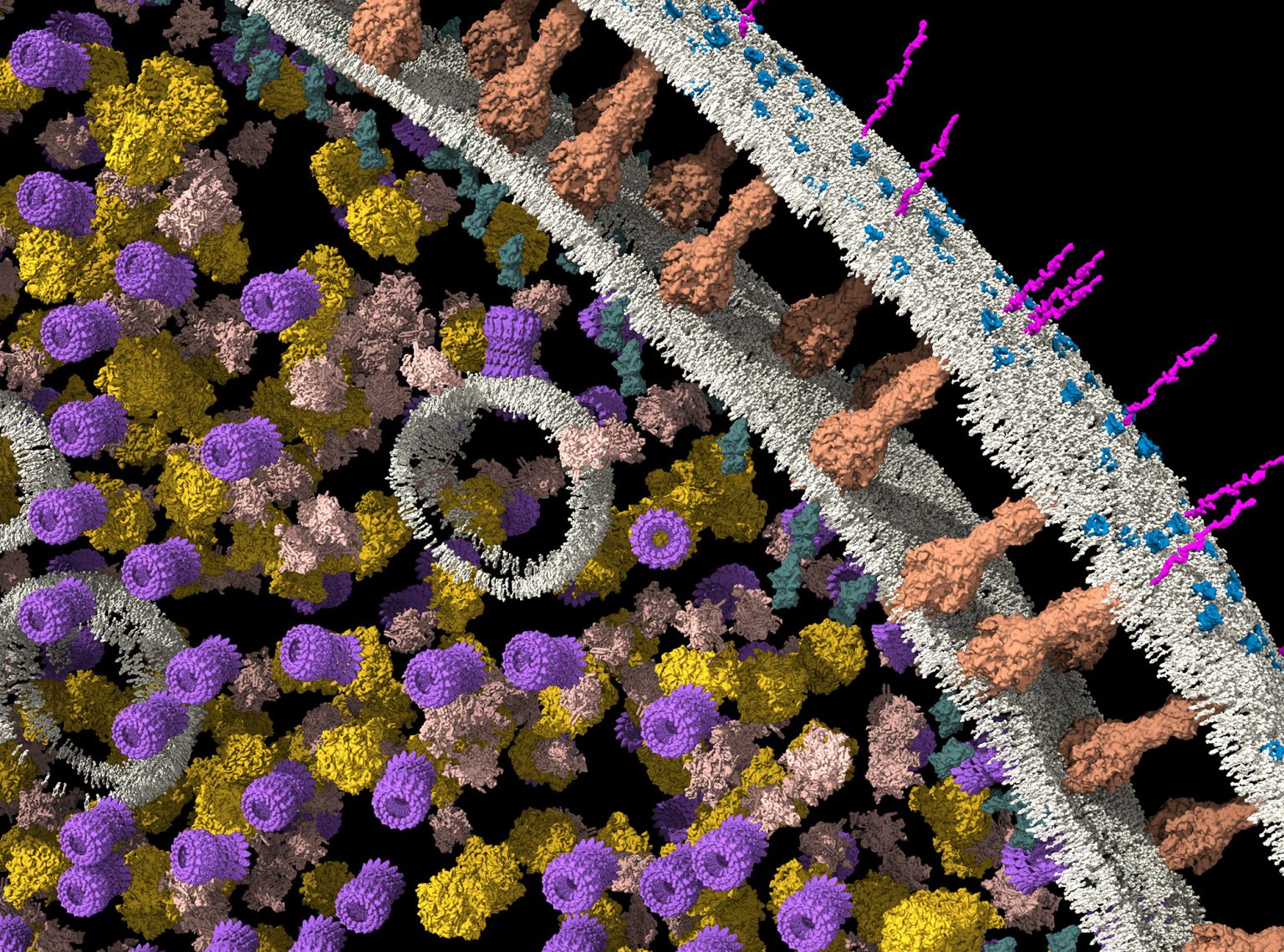
Cells consist of billions of molecules that are organized from single molecules to large molecular complexes to organelles. Although the functions of many individual molecules are known, it is still often unclear how the architecture inside a cell develops, functions and how the parts interact. SCALE scientists want to uncover the self-organization principles of the cell and create a spatially and temporally high-resolution simulation of the cell in order to better understand how cells really function and how their various "machines" work together.
Goethe University's project partners are:
- Max Planck Institute of Biophysics, Frankfurt
- Max Planck Institute for Brain Research, Frankfurt
- Frankfurt Institute for Advanced Studies (FIAS)
- Max Planck Institute of Molecular Cell Biology and Genetics, Dresden
- Saarland University, Homburg

CONTRUST: Trust in Conflict – Political Coexistence under Conditions of Uncertainty
Conflicts are unavoidable in social contexts, but living together still works. Trust plays an important role here. It gives us the certainty that disputes will not escalate, that our counterparts will abide by the rules, that institutions will protect us against transgressions and that the social world as a whole is stable enough for us to orient our actions within it in a meaningful way. In CONTRUST, researchers are investigating how this trust is formed and what its origins are.
Goethe University's project partner is the Leibniz Institute Hessian Foundation for Peace and Conflict Research, Frankfurt.
Website: ConTrust
EMTHERA: Emerging Therapeutics
The greatest medical challenges in global health include infectious and inflammatory diseases as well as disorders of the immune system that affect the entire human body. The processes are not well understood scientifically, leading to a large number of treatment failures. EMTHERA is looking for new approaches to researching these diseases and developing novel therapies. The scientists are focusing on mRNA-based forms of administration, on active substances that specifically break down disease-relevant proteins and on computer-assisted and nanotechnological applications.
Goethe University's project partners are:
- Johannes Gutenberg University Mainz (additional applicant)
- Fraunhofer Institute for Translational Medicine and Pharmacology (ITMP), Frankfurt
- Helmholtz Institute for Translational Oncology (HI-TRON), Mainz
- Institute for Molecular Biology (IMB), Mainz
- Max Planck Institute for Polymer Research, Mainz
- Max Planck Institute of Biophysics, Frankfurt
ELEMENTS: Exploring the Universe from Microscopic to Macroscopic Scales
Our world is made up of different types of atoms, the elements. From light hydrogen to iron, these elements are formed in stars like our sun. However, scientists at ELEMENTS are investigating how the much rarer, heavy elements such as gold or platinum are formed by combining the microscopic scales of elementary particles with the macroscopic scales of astrophysical objects such as neutron stars.
Goethe University's project partners are:
Darmstadt University of Technology
GSI Helmholtz Center for Heavy Ion Research GmbH
Justus Liebig University Giessen
CPI: Cardiopulmonary Institute
Diseases of the cardiovascular system often go hand in hand with lung diseases. They are the most common causes of death worldwide. The aim of the Cluster of Excellence is to understand which molecular biological processes underlie the functioning of these organs and their failure in diseases. To this end, the CPI scientists in the cross-university CPI develop model systems ranging from cell cultures to animal models and combine the results with examination data from patients in order to find new therapeutic approaches. The cluster was first funded as an "Excellence Cluster Cardio-Pulmonary System" from 2006 to 2018 and was able to assert itself again in 2019 as a Cluster of Excellence Cardiopulmonary Institute.
Goethe University's project partners are:
- Justus Liebig University Giessen (joint applicants)
- Max Planck Institute for Heart and Lung Research, Bad Nauheim
- University Medical Center Göttingen
Current funding as a Cluster of Excellence: 2019 – 2025 (45 million euros)
Graphic: Goethe University
- Profile areas
Promoting potential
Six interdisciplinary profile areas characterize the research profile of Goethe University. They bundle thematic research focuses and projects, associated infrastructures and important collaborations. And they provide a forum for new research projects across departmental boundaries. In concrete terms, this is expressed in "fields of potential", one of which each profile area can propose for funding each year: so that the field of potential can become an innovative project that has a good chance of competing for third-party funding. For the first time, two areas of potential began their work in 2023 or were approved for funding in 2024.
Taking a holistic view of patients
Developing predictive models that can be used for more personalized medicine: This is the aim of the MOPRED (Multimodal Predictive Modeling in Medicine) initiative. Since 2023, it has received start-up funding as a potential field of the "Molecular and Translational Medicine" profile area.
How can data collected from a sick patient be analyzed in such a way that the course of treatment can be predicted? 18 researchers from the departments of computer science and mathematics, biosciences and medicine have joined forces at Goethe University to do just that: to jointly develop predictive models for more personalized medicine. The project, which is led by the two professors of medicine Marcel Schulz and Florian Büttner, will receive funding of 50,000 euros for two years as a potential field of the "Molecular and Translational Medicine" profile area.
Schulz is Professor of Artificial Intelligence in Genome Research and heads the Institute for Computational Genomic Medicine, which he founded. The bioinformatician uses genomic data to better understand diseases. Büttner is Professor of Bioinformatics in Oncology at the German Consortium for Translational Cancer Research (DKTK), in which Goethe University is involved. Among other things, he develops machine learning methods for the integration of multimodal molecular data.
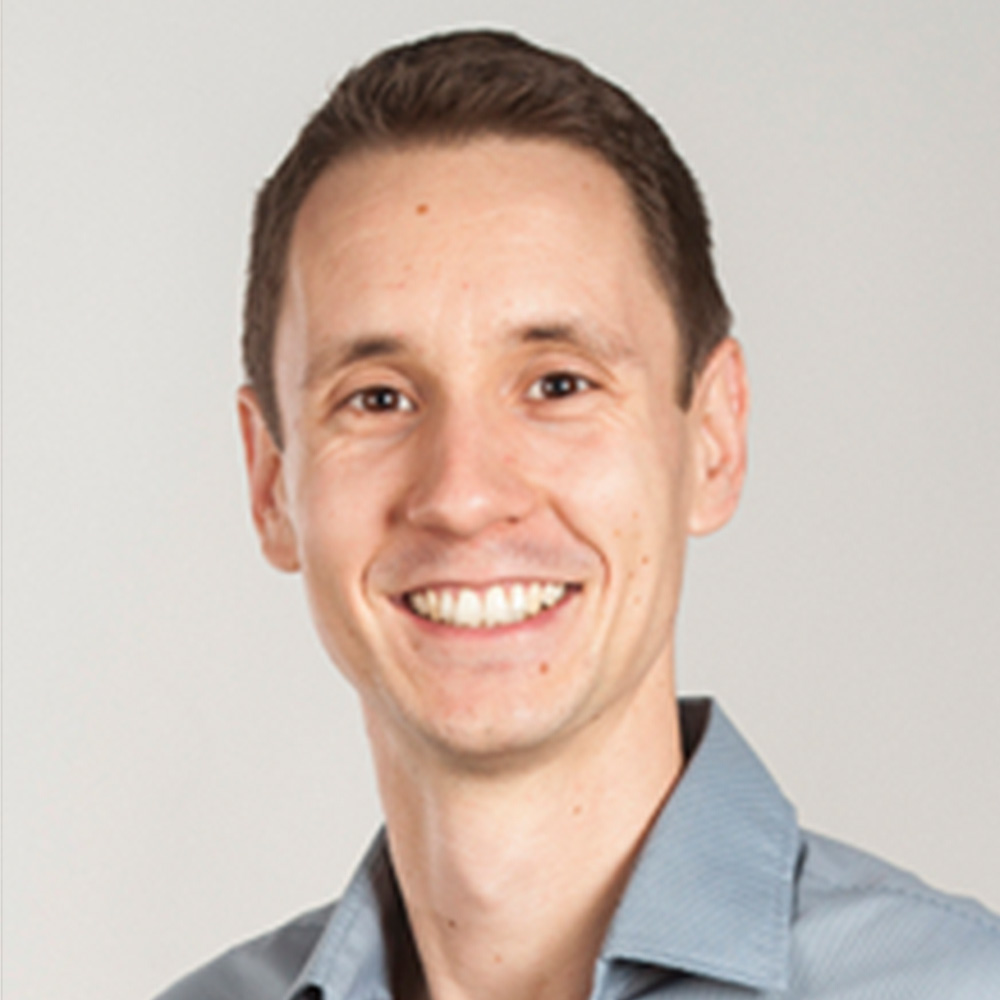
Marcel Schulz
Photo: private
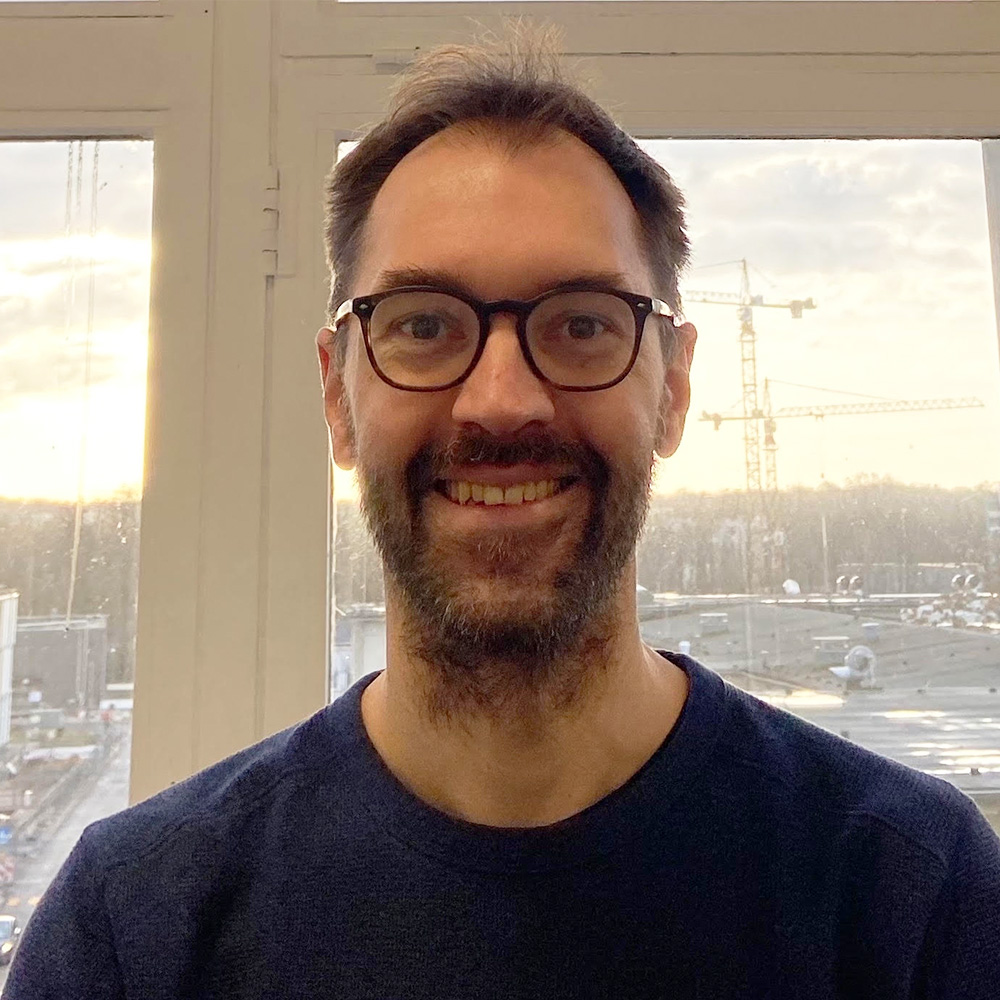
Florian Büttner
Photo: private/Yavuz Cakir
All projects are set up in tandem
The latter are at the heart of MOPRED. Multimodal refers to a data analysis in which at least two types of data – for example, gene expression data and digitized cross-sectional images from imaging techniques – are combined. "In medicine, more and more molecular data is being recorded in order to characterize patients holistically," explains Büttner. "Until now, however, there has been a lack of methods to integrate this data in such a way that a diagnosis or response to a therapy can be predicted. Together with our cooperation partners, we want to develop new bioinformatic methods for this".
A major advantage of MOPRED is that the initiative is not limited to one disease complex, says Schulz. "Because similar data types are often used, our algorithms can be applied to different disease contexts." Before MOPRED can provide user-friendly software for clinicians, new algorithms need to be developed. To this end, all projects are set up as a tandem, as Schulz explains: "At least one project partner comes from bioinformatics or a related field, while the other serves as a contact for the specific medical problem."
With the help of the Potential Field funding, a symposium and a hackathon have already been organized to improve networking between the MOPRED research groups. Schulz and Büttner want this to become a regular event in order to make bioinformatics in the medical context at Goethe University more visible – especially for students. Third-party funds are also to be raised in order to develop the potential field into a long-term funded research project in which young researchers interested in bioinformatics can also be involved.
Larissa Tetsch
The neighborhood of Judaism and Islam
How were and are Judaism and Islam intertwined in historical retrospect? Where are they close, where do they come into conflict? The aim of the "Jewish-Islamic Neighborhoods in the Past and Present" initiative is to conduct interdisciplinary research into this. It will be funded in 2024 as a potential field of the "Universality & Diversity" profile area.
The project focuses on exemplary case studies on the interaction between Jewish and Islamic intellectual history since the Middle Ages. Among other things, the aim is to research the social and political consequences of the coexistence of Jews and Muslims in different contexts. Where are they culturally connected, how does a transfer of culture and knowledge take place, how do the two religions differentiate themselves, what claims to validity do they make and what conflicts result from this? This field of potential brings together academics from the departments of Protestant Theology, Philosophy and History as well as Linguistics and Cultural Studies at Goethe University and non-university institutions.
"Especially in the current political situation, this is an interreligious project that is also important for public discourse and educational contexts in the multi-religious constellation of the Rhine-Main region," says Islamic scholar Armina Omerika, who is leading the project together with Jewish studies expert Christian Wiese. "The dramatic events in the Middle East since October 7, 2023 and the consequences for current social debates on the Middle East conflict, increasing anti-Semitism and growing hostility towards Islam", says Christian Wiese, "require us to conduct differentiated research right now – on Jewish-Islamic relations, the conflictual elements and the dialogical potential of both religions for dealing with religious plurality and difference". According to Wiese, Jewish and Islamic studies must work closely together in the context of interdisciplinary religious research.
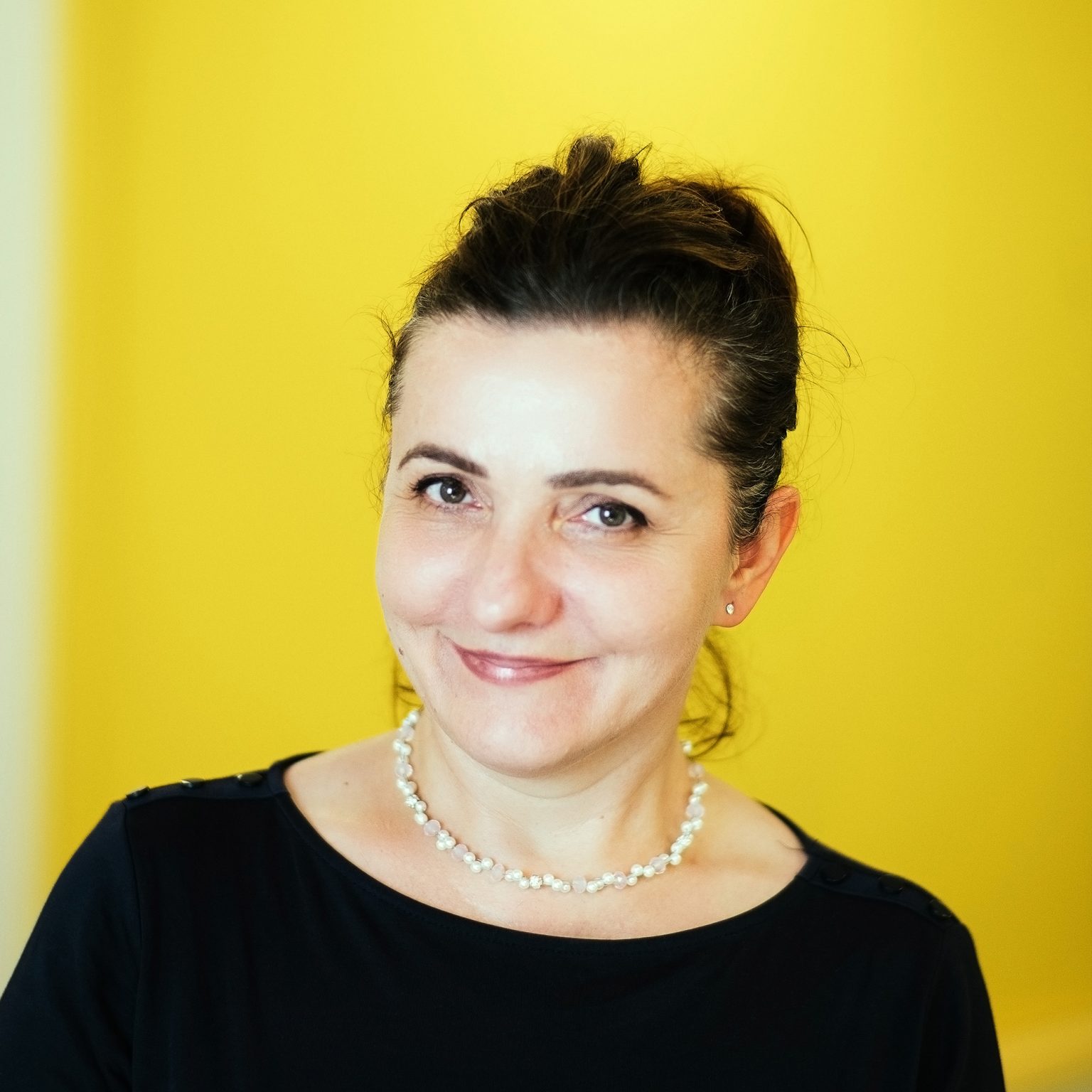
Armina Omerika
Photo: Julius Matuschik
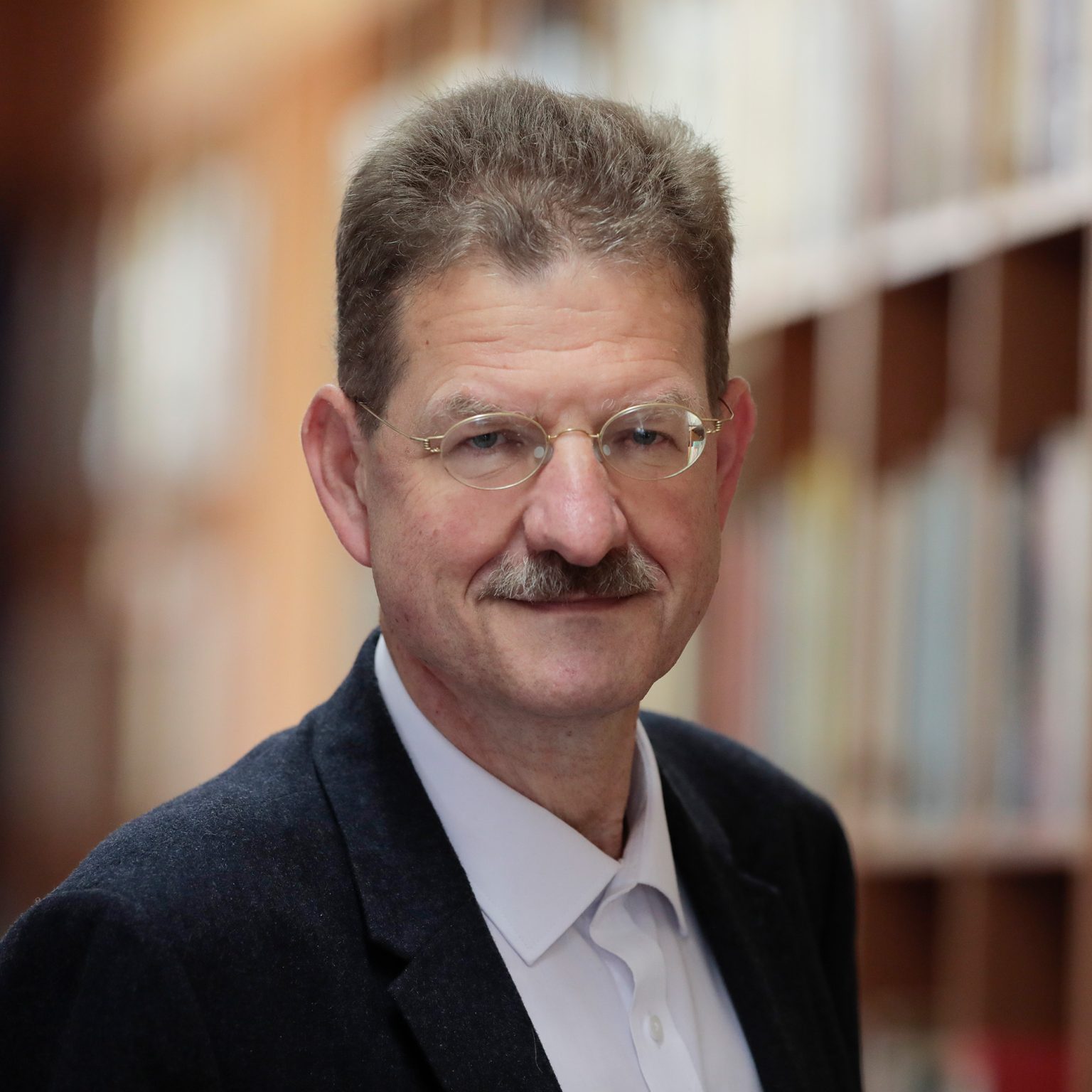
Christian Wiese
Photo: Uwe Dettmar
Jewish-Islamic tradition of thought
Armina Omerika is Professor of the History of Ideas in Islam and Managing Director of the Institute for Studies in the Culture and Religion of Islam. Her research interests include historical thinking in Islamic theology and Islam in Germany. Christian Wiese holds the Martin Buber Professorship for Jewish Philosophy of Religion and is Director of the Buber-Rosenzweig Institute for Modern and Contemporary Jewish Intellectual and Cultural History. His historical and religious-philosophical research on the interreligious relations of Judaism is also located in this field.
Researching the interconnectedness of Judaism and Islam has a long tradition at Goethe University: in the early days, Jewish orientalists such as Josef Horovitz (1874-1931) and Shlomo Dov Goitein (1900-1985) dealt intensively with Islam; the potential field includes Prof. Ömer Özsoy in the field of Quran exegesis and Prof. Nathan Gibson with a new professorship for relations between Judaism and Islam.
Philosopher Yossef Schwartz from Tel Aviv University is also involved in the project. He is a member of the "Frankfurt-Tel Aviv Center for the Study of Religious and Interreligious Dynamics", a German-Israeli research center founded in 2022 and jointly supported by Goethe University and Tel Aviv University. The center is dedicated to interreligious research with a view to the historical and contemporary relationships between Judaism, Christianity and Islam – both in the Middle East and in European contexts.
The "Jewish-Islamic Neighborhoods in the Past and Present" initiative is being funded with 50,000 euros until the end of 2024 and aims to apply for further third-party funding.
Christian Wiese/pb
- Short & sweet
Oil in particulate matter
A study conducted by Goethe University in cooperation with the Hessian State Office for Nature Conservation, Environment and Geology has revealed that ultra-fine dust at Frankfurt Airport also consists in part of synthetic turbine lubricating oils.
Lubricating oils from aircraft are an important source of ultrafine particles
History in tooth enamel
An international team of scientists led by researchers from Goethe University and the Senckenberg Research Institute and Nature Museum Frankfurt explains differences in diet between Homo erectus and apes. Dental analyses revealed that early humans switched from a plant-based diet to a mixed diet with the seasons.
Early humans: Annual cycles in tooth enamel provide insights into life stories
Immunotherapy intensified
Iron death (ferroptosis) of cells can be used to enhance the effect of immunotherapy against liver cancer. Researchers at the Georg-Speyer-Haus, the University Hospital Frankfurt and Goethe University have now been able to show this in mice suffering from liver cancer.
Liver cancer research: Iron death of cells could be the key to novel combination therapies
Dug and found
A teaching excavation by the Provincial Roman Archaeology Department at Goethe University in Bad Ems disproves previous assumptions. The exciting research story of a military camp, including a silver find, also earned the young archaeologist Frederic Auth first place at the Wiesbaden Science Slam.
200 tons of silver remained hidden from the Romans on the Lahn
Real crater
The marketing stunt of the "Domaine du Météore" winery really turns out to be an impact crater: researchers at Goethe University led by Prof. Frank Brenker and Prof. Andreas Junge determined through rock and soil analyses that the crater was actually formed by the impact of an iron-nickel meteorite.
Meteorite crater discovered in French vineyard
Peeping into the nest
An international research team from Germany, Austria, Canada, the Netherlands and the USA is using a new method for analyzing carbonate on eggshells of dinosaurs, reptiles and birds. This reveals the reproductive system of Troodon, a dinosaur closely related to modern birds.
Analysis of dinosaur eggshells: bird-like Troodon laid 4 to 6 eggs in a communal nest
Highest level of third-party funding
In 2022, Goethe University increased its third-party funding by 17 percent. With a third-party funding volume of 232.8 million euros, the university raised 33.9 million euros more than in 2021 and grew in all areas of third-party funding. EU-funded projects recorded the strongest growth: Their volume rose by 50% to 27.2 million euros.
New high in third-party funding
The inner workings of the cell
An international research team led by Goethe University and Jena University Hospital has discovered a regulatory mechanism for the structure and function of the endoplasmic reticulum. The articles were published in "Nature".
When the cell digests itself: How neurodegenerative diseases develop
International profile sharpened
The profile areas of Goethe University will be further enhanced by international expertise: for at least one year, the internationally renowned academics will conduct research in the research focus areas "Dynamics of the Religious" and "Robust Nature" as well as EMTHERA, which are assigned to various university profile areas. The endowed visiting professorships are funded by the Hückmann family.
Jochen Hückmann endowed guest professorships for research excellence support cutting-edge research
A plus for the child
The Goethe Research Academy for Early Career Researchers (GRADE) uses funds from the Franz Adickes Foundation Fund to support 30 doctoral students, postdocs and academics in the R3 qualification phase with children who are conducting research at Goethe University Frankfurt.
Financial support for early career researchers with children
Study on biodiversity
Chemicals in the environment are not sufficiently recognized in science as one of the causes of biodiversity loss: Researchers from the RobustNature research network at Goethe University and cooperation partners have identified this in a study.
How the use of chemicals and the loss of biodiversity are linked
A boost for the immune system
Researchers from Goethe University, Max von Pettenkofer Institute and Hannover Medical School are elucidating the molecular players of the MHC-I loading complex in dendritic cells. As part of the immune system, dendritic cells are essential for fighting virus-infected and malignant body cells.
The sharpeners: How dendritic cells activate the immune system
Competence Center
At its meeting, the University Council supports the process of establishing a "Transfer and Competence Center Islam". As part of this project, Prof. Susanne Schröter will receive a Goethe Research Professorship. The new center is to bundle the existing expertise of Goethe University in Islamic research issues.
"Transfer and Competence Center Islam"
Climate gases measured
Goethe University starts measuring halogenated hydrocarbons on the Kleiner Feldberg near Frankfurt: For the first time in Germany, the concentrations of gaseous substances containing halogens such as chlorine or fluorine are being monitored continuously and with high accuracy as part of an international network.
New measuring device from Goethe University: Halogen greenhouse gases are also emitted in Germany
Power plants of the cells
Researchers at Goethe University discover central switching point in the misfolding stress signaling chain of mitochondria. Using the example of a mitochondrial stress response, the scientists have investigated the extent to which their metabolism has become intertwined with that of their host cells over the course of evolution.
Cell biology: How cellular power plants call for help under stress
Antibiotic resistance
A Frankfurt research team shows how the hospital germ Acinetobacter baumannii can achieve major functional changes in protein complexes over short evolutionary periods and is therefore particularly resistant to common antibiotics. This could result in treatment strategies that are specifically tailored to a particular germ.
How the hospital germ Acinetobacter baumannii quickly adapts to new environmental conditions
Hatched
SARS-CoV-2 viruses succeed in hijacking human cells with a minimum of their own proteins. Researchers at Goethe University clarify a crucial part of the RNA binding mechanism of the nucleocapsid protein (N) and recognize how SARS-CoV-2 uses the human body temperature as an incubator for reproduction.
SARS-CoV-2: The groping fingers of the virus protein N
Balanced
Dr. Alexandra Stolz from the Institute of Biochemistry II at Goethe University is looking for substances that can be used to restore cellular balance. She has been awarded an "Exploration Grant" of 161,000 euros from the Boehringer Ingelheim Foundation.
Heart with nerves
Recent research results from the Institute for Cardiovascular Regeneration and the Cardio-Pulmonary Institute at Goethe University provide new insights into the ageing processes of the heart, which also affect the nerves. The study was published in Science Magazine.
When the heart loses its nerve
Weather researched
The German Weather Service is funding two initiatives at the Institute for Atmosphere and Environment as part of the Hans Ertel Center (HerZ): Prof. Jürg Schmidli is being funded for a further phase of four years for his HErZ working group. Dr. Anna Possner has acquired a HErZ junior research group with a duration of six years. Both projects have a volume of around EUR 1 million.
More networking
The COST Action "CROPWISE: Conservation and Research for Optimization of Utilization of Cereal Wild Relatives for Sustainable and Enhanced Agriculture", coordinated by Goethe University, was newly approved. COST enables the establishment and expansion of scientific networks and thus bundles national research initiatives in transnational "COST Actions".
International doctorate
In the Marie Sklodowska-Curie Program, Goethe University is coordinating the newly approved Doctoral Network "Natural Traces in forensic investigations – how the analysis of non-human evidence can solve crime" for international, structured doctoral training.
Dormant germs
Scientists from Goethe University, Robert Koch Institute and Georg August University Göttingen discover a fundamental mechanism that helps the dreaded hospital germ Acinetobacter baumannii to survive.
Moving mantle
An international team of geologists led by the Institute of Geosciences at Goethe University is challenging a previous theory about the movement of plates in the Earth's mantle. This was achieved by precisely analyzing an Alpine slate using computer modeling.
Alpine rocks reveal the dynamics of plate movements in the Earth's interior
World class
The world's largest nuclear magnetic resonance spectrometer for biomedical science is inaugurated at Goethe University. The costs for the device and its own building, totaling 30 million euros, were borne by the Federal Republic of Germany, Hesse and Goethe University.
Living environments
The first cohesion report by the Research Institute for Social Cohesion (FGZ) shows: Large sections of the population in Germany have homogeneous circles of acquaintances – this also influences their world views and experiences.
Decoupled living environments?
Time machine
An AI model developed by a team of scientists from Goethe University and the University of Birmingham shows how water pollution, extreme weather events and rising temperatures can irreversibly damage the ecosystem of a freshwater lake over many decades.
AI shows species loss in swimming lake: researchers develop "time machine for biodiversity"
GU at CERN
Physicists and computer scientists at Goethe University are involved in the first data collection and analysis after five years at the large accelerator LHC at CERN. A new record for collisions of lead ions is measured, as well as the highest energy and highest collision rate.
DNA as a point of attack
Doctors at Goethe University identify a promising target for new therapeutic approaches in the DNA of leukemia cells.
Pediatric oncology: New Achilles heel of leukemia cells discovered
Islamic burials
The Academy for Islam in Science and Society (AIWG) publishes its expertise on Islamic burials: More and more of the approximately 5.5 million Muslims in Germany want to be buried here after their death.
More and more Muslims are being buried in Germany
Concerned youth
Global crises continue to make young people look to the future with concern: This is one of the findings of the fourth JuCo study conducted by the Research Network Childhood – Youth – Family in the Corona Era at the Universities of Frankfurt and Hildesheim. Around 1,200 young people took part in the study in spring 2023.
Youth between corona consequences and global crises
Toxic
Frankfurt researchers refute hypotheses on the evolution of venom genes in bees, wasps and ants and show that typical venom components already evolved in the earliest ancestors of Hymenoptera before the development of the sting.
The venom was there before the sting: Genetic analysis sheds light on the origin of bee venom
"Baby Diamond"
Goethe University will soon install its first quantum computer, placing it at the forefront of German universities in the field of applied quantum computing: Frankfurt's first computer, called "Baby Diamond", will be launched as a pilot system with five qubits and is based on the technology of nitrogen vacancies in an artificial diamond.
Goethe University receives its first quantum computer
Cells recycled
Scientists led by Prof. Stefan Müller from the Institute of Biochemistry II at Goethe University have identified a mechanism in leukemia cells that could be a suitable starting point for new drugs.
Illustration: Go4Tec
- Go4Tech
Go4Tech: Sharing is caring
Numerous large devices are in use at Goethe University. But not all of them are fully utilized. The Go4Tech project was launched in March 2023: it aims to test the establishment of a large-scale equipment umbrella center – for the benefit of many researchers at Goethe University, but also for the new Frankfurt Alliance research network and the partners in the Rhine-Main University Alliance.
The most modern and powerful research equipment is required in order to advance research into the innermost parts of what holds the world together. At Goethe University, this large-scale research equipment is mostly organized in independent technology infrastructure centers and usually under a professorship – such as the Frankfurt Center for Electron Microscopy (FCEM), the Brain Imaging Center (BIC) or the Biomolecular Magnetic Resonance Center (BMRZ). This means that they are operated on a decentralized basis. The use of these infrastructures has already been open to scientists from other fields. However, interested parties and operators do not always come together. This is particularly the case when there is a lack of transparency as to which Goethe University devices can be used to carry out measurements or research processes for the test procedure in question. On the other hand, it can be challenging for the provider side – the operator centers – to take care of the requests in parallel to their own research operations, to organize, invoice and document the processes.
Search for large appliance, offer counter-financing
The Go4Tech project launched in March 2023 now aims to improve the utilization of large-scale research equipment, create transparency about the services and relieve the operators of administrative work. Because if there is no matching of interested parties and providers, this is not only a loss for the researchers, who are looking for a device for their tests. The operators also suffer disadvantages, as the operation of large devices is partly financed by user fees. It is not just the purchase price of a large device that runs into the millions – the running costs are also a major item. "Maintenance and repair costs can easily amount to five percent of the purchase price per year until the full cost of the device is written off after 15 years," says Prof. Dr. Michael Huth, Vice President for Strategic Organizational and Quality Development (SOQE). He estimates that there are around 1,000 scientists at Goethe University alone who are looking for the right large-scale research equipment for their work, while at the same time this equipment is underutilized in some of the infrastructure centres. "I'm familiar with the problem of capacity utilization because I myself operate two dual-beam electron microscopes and was Director of the Center for Electron Microscopy," explains the physicist.
In order to change these structures and thus the situation in the long term, Huth has developed a concept for an umbrella service organization together with Lars Winter, Head of the Strategic Organization and Quality Development Office. This should help to improve the visibility of and access to large-scale research equipment and services and at the same time relieve the administrative burden on operators. The umbrella center has been operating as a project under the name Go4Tech since March 2023. Go4Tech).
Simply book measurement time or test process
And this is how Go4Tech is supposed to work: Existing centers with large-scale equipment can be associated or integrated as competence centers if there is interest. New competence centers can be established directly in Go4Tec. Information on large-scale research equipment is presented transparently via Go4Tec. Researchers who need the corresponding infrastructure for their work can submit booking requests directly via the Go4Tec platform. If you are familiar with the large-scale device and would like to take measurements yourself, simply book the pure measurement time in the booking portal linked to Go4Tec. Complete services (test process) including analysis and evaluation can also be booked, depending on the task. The information about the period for which the device was booked for which services is sent to the operator center. They then take care of the implementation. Billing will be handled by Go4Tech in future; the third-party funds collected will be transferred from there to the operators.
Financial relief is also provided for competence centers integrated into Go4Tec. On the one hand for personnel costs. Secondly, the costs incurred by the competence centers for the maintenance of large-scale research equipment – with a few exceptions, no additional third-party funding can be applied for. The financing concept envisages that the operators will receive a percentage share on top for every euro that flows to the competence center for the use of the large-scale equipment by external users and that departments will also participate.
Huth and Winter are aware that integration into Go4Tech is not the right solution for every center. For example, the BMRZ, which deals with biological magnetic resonance, is used throughout Europe and is therefore a candidate that could possibly simply be 'associated' as a cooperation partner via Go4Tec. The Frankfurt Competence Center for Emerging Therapeutics, or FCET for short, is already integrated. The system can now display device utilization on an annual or quarterly basis at the touch of a button. It is also possible to automatically issue invoices for measurement or process time via the booking system and send them to the users entered in the system.
Also a response to the expectations of third-party funders
Michael Huth and Lars Winter are convinced that Go4Tech will establish itself as an interdisciplinary center. "Go4Tec is open to technology, so to speak. For example, we could consider integrating research infrastructures that are required in the context of psychological research into Go4Tec," says Winter. The major third-party funding providers also expect universities to manage their research infrastructures sustainably. This also means that the future umbrella center will set up a scientific advisory board with internal members – the directors of the competence centers – and external experts.
"A further step in the expansion of Go4Tec," says Michael Huth, "would be to open up the umbrella center to our RMU alliance partners in Darmstadt and Mainz as well as to other external cooperation partners, for example as part of the new Frankfurt Alliance research network. This would allow our researchers and partners to benefit from greater transparency, more service and a better flow of third-party funding."
if/pb
The text is an abridged version of an article in GoetheSpektrum 1/24.
Foto: Pheelings media/shutterstock
- Ten-point paper
Gender-sensitive research
Artificial intelligence with prejudices or misclassified graves of Viking women – gender and diversity can sometimes have unexpected significance for research. That's why Goethe University wants to give them greater consideration when designing research topics. A new ten-point paper helps with this.
"Goethe University wants to be a pioneer on the path to better science that does justice to as many people as possible," says University President Prof. Enrico Schleiff, formulating the aim of the ten-point paper on gender and diversity in research. In June 2023, the Executive Board of Goethe University presented the paper and the concrete steps it sets out at an event with external experts and the Goethe University research community.
"Every researcher should ask themselves: To what extent do gender and diversity aspects play a role in my research? And not only because this is becoming increasingly important for project applications, but also because we are convinced that this will lead to more valid research results. By becoming more aware of this and entering into an exchange about it, our research will become more innovative and creative," said University President Enrico Schleiff at the presentation of the ten-point paper. In the paper, Goethe University describes where it currently stands and sets out concrete measures and goals to further improve the inclusion of these aspects in the future. For example, the university is not only planning to anchor the topic in the next university development plan, but also to demand reflection in internal tenders and to integrate it more strongly into training and further qualifications.
So far, the symptoms of a heart attack that are typical for women have been less researched
The examples from medical research are also immediately obvious to laypeople: if drugs are not tested equally and differentially on both women and men, it will be difficult to use them in the right way. Dr. Lena Marie Seegers and Prof. David Leistner from the Department of Cardiology at Frankfurt University Hospital see great potential in improving medical research with regard to the diversity of people – for example through the planned Women's Heart Center. Women's Heart Health Center Frankfurt) for gender-sensitive medical research, which cardiologist Seegers will head. Seegers spent two years at Harvard University in Boston researching gender-specific differences in the coronary arteries. Women often ignore cardiovascular symptoms because they are used to fluctuations in their well-being throughout their lives. However, a specific look at female health is particularly important in phases of hormonal change such as pregnancy and menopause.
The connection between rheumatic or gynecological diseases and the risk of heart attack is also still relatively unexplored. "Women in Germany have a significantly higher risk of dying from a heart attack than men," is Seegers' sober conclusion. This is because there has been less research into the typical symptoms of a heart attack in women and little is generally known about them.
"We need to sensitize prospective teachers to stereotypes in their own thinking during their training"
Although there has long been differentiated and sophisticated gender research in the educational sciences, this has not yet been a cross-cutting topic. Prof. Bettina Kleiner, educational scientist and director of the Cornelia Goethe Center, would like to change this. Although the pedagogical fields of school and daycare centers are not the only subjects of her discipline, the reality there is formative for the social gender order. On the one hand, schools reflect the living conditions in society and, on the other, have the task of socializing children and young people. As such, it also always imparts values and norms that need to be reflected upon. "Gender stereotypes are still reproduced in school lessons, which, among other things, lead to the development of different subject-related and professional preferences that tend to be disadvantageous for women in terms of their careers. And when we think of queer children and young people," says Kleiner, "their realities of life are still rarely and hardly ever adequately reflected in everyday school life. That's why we need to sensitize prospective teachers to stereotypes in their own thinking during their training."
However, it is not only in the educational sciences and medicine that researchers should become more aware of gender and diversity in the future. All other disciplines should also think about whether this aspect plays a role in the future and what role it plays: Literary studies and history, political science and economics – but also biology, chemistry and physics. Physics? When researching a black hole, it may indeed be difficult to recognize the relevance of gender aspects. But it should be standard practice in future to at least think about it.
And even if this is not about equality, i.e. equal opportunities in the workplace, the composition of research groups and networks still plays a role: "Of course, it is also important for research – for its direction and the results – who conducts it," educational scientist Bettina Kleiner is convinced. For her, the Goethe University's ten-point paper is therefore of central importance: it is an "important commitment to strengthening gender reflexivity, diversity and justice in research".
asa
A longer version of this article appeared in UniReport 4/23.
Photo: University Archive Frankfurt
- Frankfurt Institute for Social Research
"Our society is driven by contradictions"
In January 2023, the famous Institute for Social Research will be one hundred years old. An occasion for a conversation with the new Director of the Institute for Social Research, Prof. Stephan Lessenich, about historical milestones, the pros and cons of figureheads and new forms of collaboration with Goethe University.
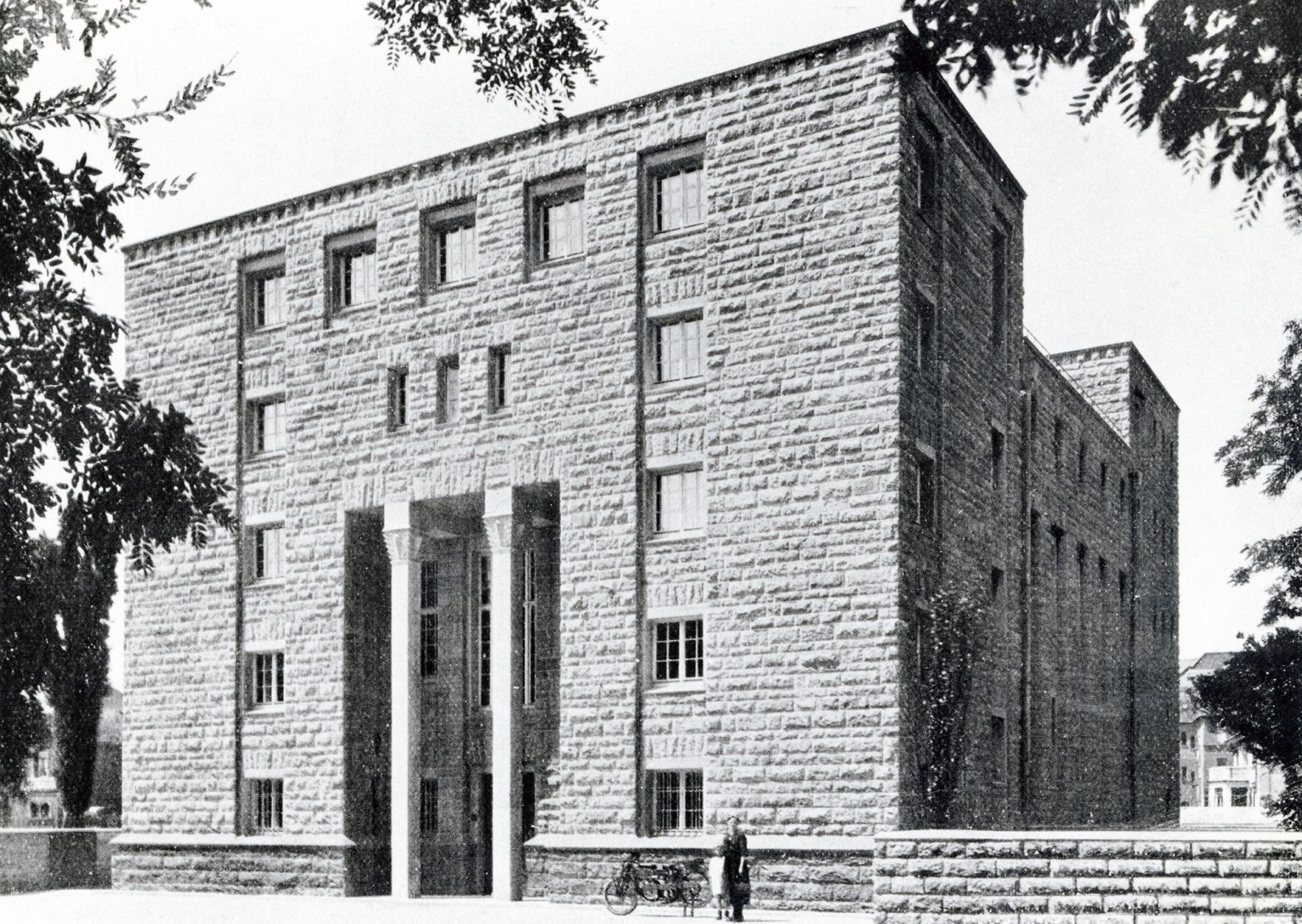
The Institute for Social Research celebrated its proud centenary over the course of a year and a half: Beginning with an "act of state", so to speak, to which the Hessian Minister of Science, the City of Frankfurt's Head of Cultural Affairs and the University President were invited, the Institute's staff involved various audiences with further main events over the course of the year: the city society, to which it opened its premises, and a low-threshold academic and non-academic audience with a Marxist Working Week over Whitsun. In light of the fact that "we are obviously living in a post-Marxist age", according to Stephan Lessenich, Director of the Institute, the aim was to ask once again what the Marxist tradition of the institute and critical theory still means today. This was followed by a major academic conference in September and, at the end of the celebrations in June 2024, a street festival for everyone to celebrate and exchange ideas: exactly 100 years after the opening of the first Institute building, which was inaugurated on June 22, 1924 on Viktoriaallee diagonally opposite the Institute's current address, the festival will take place to mark the end of the official part of the 100-year celebrations.
At the beginning of the anniversary year, Stephan Lessenich, Director of the Institute for Social Research since July 1, reflected on the history of the renowned institute, which has significantly shaped the history of Goethe University.
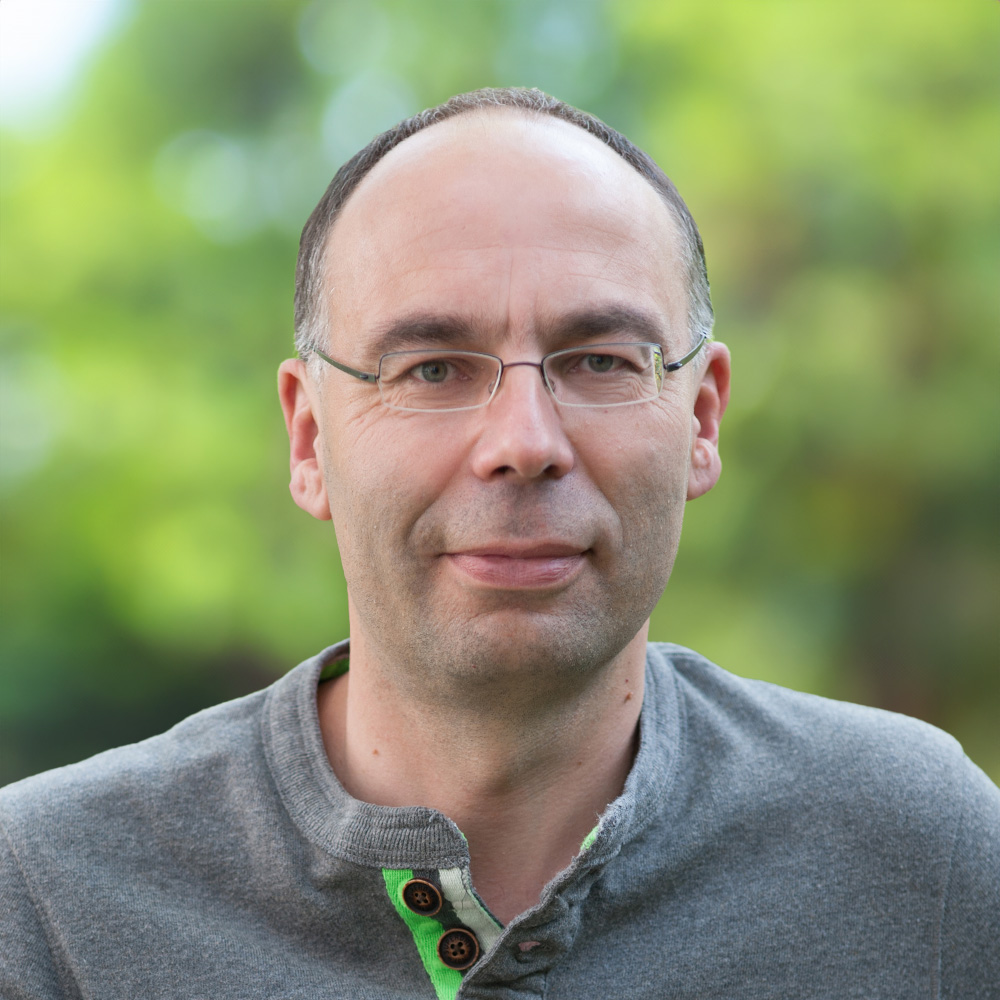
Prof. Stephan Lessenich, Director of the Institute for Social Research since July 2021
Photo: private
Mr. Lessenich, when you take a fresh look at the history of your company, what do you consider to be important milestones or turning points?
Prof. Stephan Lessenich: The founding of the institute was of course an important date. The memorandum written for this purpose is interesting: in retrospect, it can be said that it was somewhat obscured that it was supposed to be the founding of a Marxist research institute. It was actually supposed to be an institution with strong intellectual and political ties to the labor movement. There was money for the foundation from private sources. But the foundation as a public institute was not without preconditions. A second important date was undoubtedly the closure of the house, which was carried out by the SA, followed by the confiscation of the library, the expulsion of the staff and the subsequent emigration of central figures, first to Switzerland and soon afterwards to the USA. And then the reopening of the house and the return of the protagonists, which was anything but a matter of course. After all, it would have been easy to imagine that the central figures, Adorno and Horkheimer, would not return to Germany. The institute was then explicitly re-established in Frankfurt in order to pursue democratization studies and to have an impact on the public in order to strengthen the democratic foundations of the early Federal Republic. In my opinion, this still characterizes the institute today. And we want to take up this impulse again in the new phase. Hence the strong focus on different audiences during the centenary celebrations. The House should continue to stand for critical social research in the future, which is not only carried out in an academic context, but should also have a social impact and have something to say to all interested parties.
Can it sometimes also be a problem that certain figureheads have shaped a house so strongly that you have to keep coming back to them?
Yes, there is of course this link between the Institute and big names, especially Theodor W. Adorno and Max Horkheimer. This is both an asset and a liability. The reputation of the institute, its public perception, depends very much on the person of Adorno. Even in non-academic milieus, people know his name. But it is also a mortgage, because it reduces the work of the house to one or two people. There are many other historical, intellectual greats who often fall by the wayside. And the fixation on the big names always reinforces the gravity of history a little. This also leads to questions such as whether the new director, regardless of whether his name is Axel Honneth or Stephan Lessenich, is following in the footsteps of his predecessors. I don't think such a view is very productive.
"There are no clear boundaries as to who belongs and who doesn't, who is in and who is out"
The Institute for Social Research was and is always referred to as the cradle of the Frankfurt School. Would you say it still makes sense to use this term? Was it ever appropriate?
I would be divided on that. On the one hand, it makes sense because I believe that the institute's character is very much due to its location. It wasn't founded in Frankfurt by chance. There was a liberal urban society, the bourgeois Jewish milieu, intellectually; but also the enlightened, economic milieu of Jewish faith was a central factor for the emergence, for the acceptance and also for the re-establishment of this institute in the city after the war. From this perspective, it is appropriate to speak of the Frankfurt School. Elsewhere, a different form of critical social research would have emerged – if at all. However, the term "school" is difficult to use here. It was not a self-description of the actors, but an attribution from outside. School education always sounds like a rather strong formatting, with clear points of orientation and boundaries. The pupils assign themselves to this or set themselves apart. However, this is not the case with regard to critical theory. There are no clear boundaries as to who belongs and who does not, who is in and who is out.
Your predecessor Axel Honneth once said that he sees the IfS as committed to researching the "paradoxes of contemporary capitalism". Would you follow on from this, or would you have a different focus of your own?
We are currently in the process of re-examining this program from the Honneth era, if you will, and developing a new research program for the next decade. The cat of a new programmatic formula, something like "Paradoxes of Capitalist Modernization", will not be let out of the bag until next summer, at the international academic conference. However, a few key points of the reorientation can already be named, and this is also related to the formula mentioned. The "paradoxes of capitalist modernization" were still strongly conceived in the context of Western industrial society and its development dynamics. We want to move beyond this narrower focus in the future. Capitalism is global in nature, and this also applies to its crises. We have experienced this recently: financial crisis, migration crisis, climate crisis, corona crisis, now Ukraine crisis – these are crises on a global scale. This means that critical theory formation must focus on such global economic and social conditions. One axis of renewal would therefore be, in a sense, the de-Westernization of the research programme. A second axis would be the orientation towards the materiality of society. I mean, today we are – of necessity – talking about ecological crises, about socio-ecological transformation. And in Frankfurt, the problems of social relations to nature were systematically discussed early on; however, this has no longer been a central theme of the institute in the last two decades. Against this background, I would say that to speak of paradoxes today is, on the one hand, a Western perspective, but on the other hand, no longer hits the nail on the head. The previous research program explicitly assumed that social development could no longer be understood in terms of contradictions, but that the concept of paradox was more appropriate. I would say that what we have just seen and experienced in the 21st century, in the last decade and a half, speaks in favor of reviving the category of contradiction. This society is full of contradictions, it is driven by contradictions. We have walked straight into an energy crisis, which is not only a paradox, but also an extremely contradictory political and economic constellation. We have run into fundamental contradictions in many areas, and I believe that this is why the category of contradiction must be strengthened again analytically and diagnostically in relation to the category of paradox. But of course in a different way than was the case with Marx or in the 1920s/1930s.
"Sociology would do well not to develop its interpretation of problems only at the desk"
As part of the celebrations to mark the centenary of sociology at Goethe University in 2019, a new disciplinary self-image of sociology was called for: Not only should it communicate its concerns to non-academic publics much more than before, but it should also take these publics more into account in the production of knowledge. Would you agree?
In the discipline, this is often referred to as public sociology. This is a discussion that first began in the United States in the 2000s. And then spilled over to Germany, particularly in the last decade, in the 2010s. I myself was an early advocate of an understanding of sociology as a public science, which does not mean, however, that the difference between science and society or between scientific practice and everyday social practice should be dissolved. But I do believe that in the meantime it has been somewhat forgotten that science has a public mission, that it must also have something to say to society. And not just in the sense that politics demands policy advice. Socio-analytical, sociological expertise is always in demand in all public debates, and this applies in particular to all the crises mentioned, but also to everyday life, which is perhaps far removed from crises. Sociology really has a lot to say to a wide range of social actors – and not just to politicians, but also to social organizations and the people themselves. At the same time, public sociology should not be seen as a one-way street. Rather, we should develop more dialogical forms of knowledge presentation, but also of knowledge production. Sociology would do well not only to develop its interpretation of problems at the desk, but also to have the problem interpretations of social actors presented to it. This, in turn, should be fed into one's own academic work.
You get the feeling that the public has recently been divided by certain debates, such as the one about cultural appropriation. Do you see a role for sociology in getting more involved in such debates?
Basically, I would say that questions that affect a society so strongly, such as 'Are you allowed to talk the way you like?', 'Are you allowed to dress up as an Indian for carnival? are and must always be topics of sociology or social science. In my opinion, however, a scientific approach, especially in critical social research, would be to move away from surface phenomena, so to speak, and shed light on underlying structural developments. I think that the irritation and also the affects that are mobilized, for example by the gender star, can only be understood if you consider how massively the gender relations in society have changed. The way in which the genders meet in this society, and the fact that third genders are also expressing themselves and saying that we will not be constrained by a binary logic of man and woman, naturally has huge potential for irritation. Over the last few decades, a gender-political normality has been fundamentally changed. And sociology is called upon in these processes, not to argue somehow for or against gendering, but to say: why are there such massive conflicts, what is actually being negotiated here? At present, so much has shifted in so many different areas of society that we need to look deeper and at least give ourselves the opportunity to understand what is actually being argued about. And that is usually not what is being claimed.
"I believe that contact with the university is very important for the IfS"
How would you like the IfS and Goethe University to work together in the future?
The construction of my professorship as a cooperative professorship is, so to speak, the institutionalized hope that the IfS and, in this case, the Department of Social Sciences, but also Goethe University as a whole, will move closer together – in operational business, but also in the way science is presented to the outside world. For me personally, that was also the main incentive to come to Frankfurt. I didn't see myself so much as a science manager who heads a research institute and tries to position it in the best possible way. Rather, I believe that contact with the university, contact with students, integration into teaching and everyday university processes is very important for the IfS. After all, academic research that seeks to decouple itself from the other dynamics of the academic system is usually not well advised. From December, we will have a doctoral program on the "Dialectics of Participation" at the institute, funded by the Hans Böckler Foundation. This clearly focuses not only on an analytical conceptualization of dialectics, but also on the practical research coupling of theory and empiricism and on the question of a critical social analysis with the intention of shaping society. The Institute will become more involved in teaching again – and not just through me personally. Joint research projects will be developed with colleagues from the Department of Social Sciences, but also from other departments. I think both sides can benefit massively from this. My impression is that students have lost sight of the IfS, and not just because of coronavirus. This has something to do with the physical distance to Campus Westend, but also with the fact that the IfS was no longer as present in teaching and research at the department. The cooperative professorship now really gives us the opportunity to change that. And I think we have already taken the first steps. I am now also responsible for developing a new Master's degree course in Critical Social Theory, which aims to anchor critical social research visibly in undergraduate academic teaching at the department and beyond. All of this will, I think, help to really strengthen the bond between the two institutions. And that is a good thing.
Questions: Dirk Frank
The text is an abridged version of an interview in UniReport 5/22.
The research perspectives of the Institute for Social Research were published at the end of 2023.
- Acknowledgements
Council member
Katrin Böhning-Gaese from Senckenberg, Professor at Goethe University, is to become a member of the German Council for Sustainable Development. The biodiversity expert and winner of the 2021 German Environmental Award has been appointed to the 15-member body, which advises the German government on sustainable development issues.
Katrin Böhning-Gaese appointed to the German Council for Sustainable Development
Louis-Jeantet Prize
Prof. Ivan Đikić is awarded the Louis-Jeantet Prize for Medicine for his contributions to research into one of the central regulatory systems of the cell, the ubiquitin system. Đikić is Director of the Institute of Biochemistry II at Goethe University.
Honored: Ivan Đikić from Goethe University receives Swiss Louis-Jeantet Prize for Medicine
ASM-Fellow
Prof. Volker Müller, microbiologist at Goethe University, is one of three Germans and a total of 65 scientists from all over the world to be accepted as a Fellow of the Academy of the American Society for Microbiology (ASM).
Volker Müller from Goethe University appointed member of the American Academy of Microbiology
Culture Prize
Anne Bohnenkamp-Renken, Professor of Modern German Literature at Goethe University and Director of the Deutsches Hochstift in Frankfurt, has been awarded the Hessian Culture Prize. With this award, the state of Hesse honors the services of the director of the Goethe House and the German Romantic Museum in Frankfurt for literature and research.
Goethe University congratulates Anne Bohnenkamp-Renken on winning the Hessian Culture Prize
Focus group
Economist Prof. Raimond Maurer has been appointed to the "Focus Group on Private Pension Provision" set up by the German government. Its aim is to develop proposals for improving funded pension provision in Germany.
Child protection
Prof. Sabine Andresen, Professor of Educational Science with a focus on social pedagogy and family research at Goethe University, has been elected as the new President of the Kinderschutzbund.
German Study Award
Dr. Samira Akbarian, research assistant to Prof. Dr. Uwe Volkmann, has been awarded the German Study Prize (Section Humanities and Cultural Studies, 1st place) of the Körber Foundation 2023, the Werner Pünder Prize 2023 and the Merkur Prize (3rd place) of the Klett Foundation 2022 for her dissertation on "Civil Disobedience as Constitutional Interpretation".
German Study Award for Dr. Samira Akbarian
Interview with Dr. Samira Akbarian
Honorary doctorate
The University of Magdeburg awards Prof. Nicola Fuchs-Schündeln an honorary doctorate for her research into the economic impact of reunification on private households.
Honorary doctorate for Nicola Fuchs-Schündeln
PRACE Ada Lovelace Award
Dr Sarah Neuwirth from Goethe University has been awarded this year's PRACE Ada Lovelace Award by the Partnership for Advanced Computing in Europe (PRACE). She receives the award for her outstanding achievements in the development of High Performance Computing (HPC).
Schaefer Scholar Award
Biochemist and structural biologist Prof. Robert Tampé is the only European recipient of the 2023 Schaefer Scholar Award. The research grant of 250,000 dollars (230,000 euros) is awarded annually by Columbia University to scientists for outstanding academic achievements in human physiology.
Sponsorship award
Prof. Frederike Middelhoff receives the 5,000 euro prize from the Goethe University Scientific Society. The award is given to academics with a doctorate who have already qualified for further academic work in a special way through their independent work.
Environmental Award
This year, the "Frankfurt Prize for Environment and Sustainability 2023" goes to four Early Career Researchers at Goethe University. The prize is awarded for qualification work in the field of environmental and socio-ecological sustainability research.
Awarded: "Frankfurt Prize for Environment and Sustainability 2023" goes to young scientists
Leopoldina member
Prof. Jan-Henning Klusmann, Director of the Department of Paediatrics and Adolescent Medicine at Frankfurt University Hospital, receives one of the highest honors in the scientific community: he is accepted as a member of the German Academy of Sciences Leopoldina – National Academy of Sciences.
Director of the Pediatric and Adolescent Clinic becomes a member of the National Academy Leopoldina
The price of regulatory policy
Together with Prof. Lars P. Feld and Prof. Christoph M. Schmidt, Prof. Volker Wieland has received the Regulatory Policy Award 2023 from the Wirtschaftsverband der Familienunternehmer.
Wilfried Lorenz Prize
Dr. Jennifer Engler and Dr. Dania Schütze from the Institute of General Medicine at Goethe University receive the prestigious Wilfried Lorenz Health Services Research Award from the German Network for Health Services Research (DNVF) in Berlin.
Research prize for palliative care for children and adolescents
Best cared for
During a ceremony, the prize for the best doctoral supervision is awarded to the professors Prof. Bernd Skiera, Prof. Sarah Speck and Prof. Eckhard Boles.
Prize for the best doctoral supervision 2023
Environmental Award
The Bruno H. Schubert Foundation is awarding one of the most highly endowed German environmental prizes, the Frankfurt Conservation Award 2023 (Bruno H. Schubert Prize) in the three categories of teaching, research and applied nature conservation to Prof. Meike Piepenbring (Goethe University Frankfurt), Prof. Beth Kaplin (University of Rwanda) and José Carlos Nieto Navarrete (Servicio Nacional de Áreas Naturales Protegidas por el Estado – SERNANP, Peru).
Carus Medal
The German National Academy of Sciences Leopoldina honors the economist Prof. Nicola Fuchs-Schündeln for her outstanding research work in the field of quantitative macroeconomics with this year's Carus Medal.
Honorary doctorate
Astrid Erll, Professor of English Literatures and Cultures, is awarded an honorary doctorate by the University of Copenhagen. Astrid Erll is one of the leading and fundamental forces in the research field of "Memory Studies", which focuses on our collective memory.
Honorary doctorate for Astrid Erll
Max Planck Humboldt Medal
Amy Buck, Professor at the Institute of Immunology and Infection Research at the University of Edinburgh, has been awarded the Max Planck Humboldt Medal for her research into the role of RNA in mammalian intestinal communication. Amy Buck's discoveries, which were made in cooperation with Goethe University, could form the basis for new methods of administering RNA-based drugs to cells.
Price times three
The "Scientist of the Year Prize" and the "Public Service Fellowship Prize" of the Alfons-Gertrud Kassel Foundation as well as the New Horizon Prize of the President of Goethe University will be awarded jointly to scientists at Goethe University for the first time: Microbiologist Prof. Inga Hänelt, law professor Indra Spiecker and educational scientist Lukas Gerhards will receive the awards.
Three award-winning personalities at Goethe University
Honorary doctorate
Frankfurt heart researcher Prof. Stefanie Dimmeler has been awarded an honorary doctorate from the University of Bern. She received the award in recognition of her scientific achievements in understanding the pathophysiology of cardiovascular diseases.
Prizes awarded by Goethe University to external academics
Paul Ehrlich and Ludwig Darmstaedter Prize
Immunologists Prof. Frederick W. Alt and Prof. David G. Schatz will be awarded the Paul Ehrlich and Ludwig Darmstaedter Prize 2023, endowed with 120,000 euros, in Frankfurt's Paulskirche. Biochemist and physician Dr. Leif S. Ludwig will receive the prize for young scientists for a method he invented to analyze the lineage and development of human blood cells.
Goethe Media Prize 2022
The Goethe Media Prize 2022 for science and higher education journalism goes to three teams of authors or individual authors from renowned media. Their contributions are dedicated to scientific failure as an opportunity, the dangers of state influence and the role model function of scientific biographies.
Uncomfortable, inquiring and critical: Goethe Media Prize 2022
Romantic Prize
The art historian Dr. Miguel A. Gaete receives the Klaus Heyne Prize awarded by Goethe University for research into German Romanticism.
University President Prof. Enrico Schleiff. Photo: Jürgen Lecher
- Tenure-Track
Hanna can now plan differently
With the hashtag "I am Hanna", the precarious career planning of young researchers has become public. Goethe University has set out a new framework for career prospects for early career researchers in 2023.
"You can carry on doing everything as you did in the 20th century. You can say to the Early Career Researchers (ECRs): 'You've chosen this path, you'll find your way'. Or you can change your perspective. Show them what they need for a professorship, but also where exciting career options can be found beyond the professorship, beyond the academic system, and how they can get there. We have set a new course for this contemporary path." University President Prof. Enrico Schleiff said this with regard to two policy papers adopted by the Executive Board and Senate at the beginning of the year: the ECR concept and the principles on career paths for mid-level academic staff at Goethe University. Both papers complement each other. While one focuses on qualifications, the other highlights a portfolio of further development opportunities for young academics. At the same time, the principles on career paths for mid-level academic staff provide an impetus for sustainable personnel planning at the university, because with forward-looking planning, ECRs can develop into experts for specific areas of activity in advance. Schleiff: "Transparent, supportive framework conditions and qualification structures are a prerequisite for excellent research and a competitive university and are therefore a particular priority in the overall strategy."
The concepts are part of the answer to urgent questions that have shaken up universities and the public in recent years under the hashtag "I am Hanna", among others: How can more reliable career options be created for young academics? How can they avoid a succession of fixed-term contracts with no real prospects? How can permanent positions be created for ECRs, even though only a fraction of them will later take up a professorship?
"Our initiative is about recognizing different career paths after the doctorate. It's about the equivalence of research, teaching and science management," explains Schleiff. "Not all ECRs will be able to take on a professorship later on. However, the skills they acquire as academics can open the door to many other career paths within and outside the academic system."
Three tracks...
In simple terms, the new model can be described as follows: The self-image of universities has changed; among other things, the service orientation of the university and the professionalization of management play a greater role than before. This has given rise to new tasks and new job profiles, which are to be further professionalized. Against this background, the principles on career paths for mid-level academic staff provide for three career paths for ECRs:
- Advanced Academic Track (career path in research and teaching with special tasks in academic self-administration)
- Advanced Teaching Track (career paths in research and teaching with a special focus on university teaching)
- Academic Support Track (wissenschaftsunterstützende Karrierewege)
Academic Support Track (science-supporting career paths) In concrete terms, this means that in addition to professorships, teaching and science management or science-related activities (for example in laboratories or IT) are increasingly becoming alternative career options for ECRs.
...and the way there
In order for young researchers to decide on one of the three tracks, they must be made aware of these options during their doctorate. It is therefore important to University President Schleiff that the Early Career Researchers repeatedly take time during the qualification phase and are given the opportunity to do so – so that they can take a step back and think about what they are passionate about, so that they keep their eyes and ears open for different career paths – along with the right qualifications. In addition, the mentors look at the ECRs as individual personalities. "The ECRs are a key group for the performance of Goethe University," emphasizes Enrico Schleiff. "What I would like to see is that we look even more closely at the individual person and ask: What can you do? Where do you want to go? This opens up completely new opportunities – but it also requires a high degree of responsibility on the part of the mentors."
The new ECR concept therefore emphasizes needs-based support. At the same time, the funding and advisory services are being tailored less and less to different career phases and more to skills profiles. The Goethe Research Academy GRADE serves as a point of contact and initial advice center. In addition, the portfolio of the Johanna Quandt Young Academy @ Goethe has been further developed to promote real independence at an early stage.
Where are the permanent positions created?
The positions are to be created in the departments or academic institutions of Goethe University. Schleiff explains where Goethe University currently stands: "In developing our offers, we have looked at how we can formulate support measures for the various career stages. What remains to be done now is to define the respective requirements for each career stage. Our aim is to provide an overview of the different paths, but to keep this manageable, because the German system is already complex enough for academics, especially international ones."
"We are only at the beginning of a major change," says the university president, looking ahead. He is convinced that the ECR concept and the principles on career paths can make a real difference to mid-level academic staff. However, Schleiff also knows that success also depends on how well the change of perspective is received in people's minds. He says: "Our concept can only work if we all live this change in culture and understanding and don't constantly refer to how we were in the 20th century – because that's over."
if
- Who belongs to the group of ECRs?
Goethe University defines Early Career Researchers (ECRs) as academics who are either currently completing their doctorate, have already completed their doctorate and are gaining their first professional experience at the university, or are already independently leading projects or groups as postdocs but have not yet taken up a professorship.