Global study’s ranking includes the one percent of scientists cited most frequently in scientific journals.
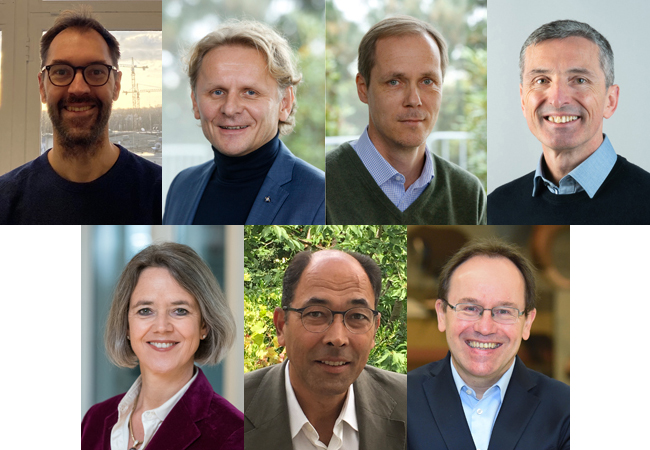
Seven of the 6,900 most cited scientists in the world conduct research at Goethe University Frankfurt. That is the result of the current citation ranking of the “Web of Science”, published by Clarivate Analytics. Each year, the ranking evaluates journal articles mainly from the natural sciences, engineering and medicine.
In most cases, it is fundamental scientific findings that result in a paper being cited frequently by other scientists. That is why citation frequency serves as an indicator of the published articles‘ scientific significance as well as the authors‘ visibility in the scientific community.
Once a year, information and technology company Clarivate Analytics evaluates its “Web of Science” citation database and publishes the “Highly Cited Researchers” ranking. The current ranking includes around 6,868 scientists, in no particular order, who belonged to the one percent of authors whose scientific articles in the natural and engineering sciences, medicine, and the categories ”Economics and Business” and “Social Sciences” were cited most frequently between 2014 and 2024, either within their own category or in different subjects (“cross-field”).
The ranking only takes into account journal articles and not book contributions. Further, articles with more than 30 authors or so-called group authorships in large international research consortia are also not included in the study.
Here are the „highly cited“ Goethe University researchers of 2025:
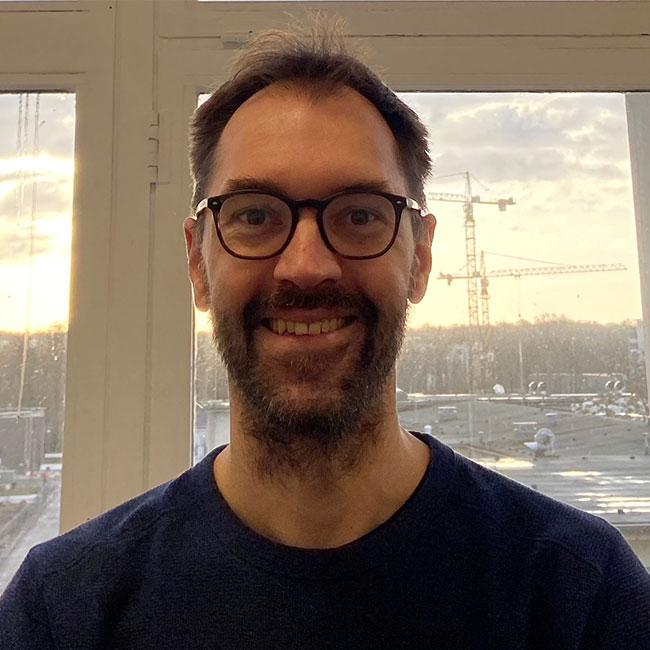
Prof. Dr. Florian Büttner / DKTK-Professor for „Bioinformatics in Oncology“ at Goethe University / German Cancer Consortium (DKTK) / German Cancer Research Center (DKFZ) / Machine Learning in Oncology in the „cross-field“ category
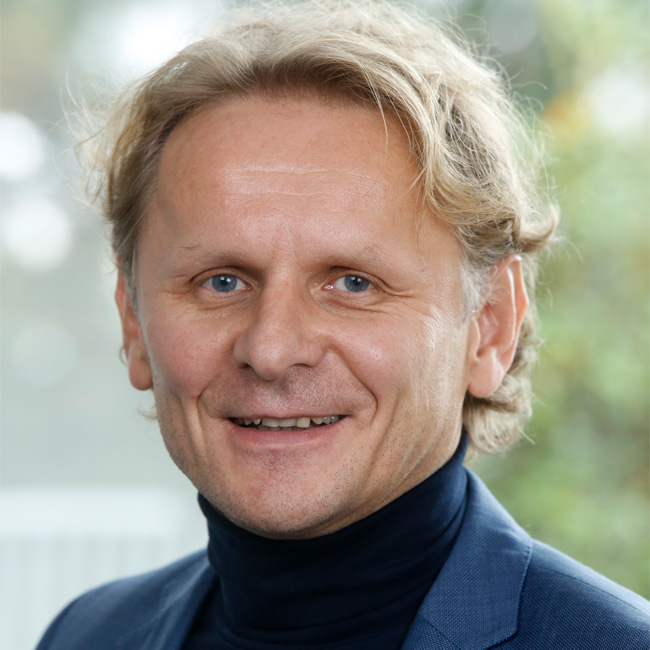
Prof. Dr. Ivan Đikić / Director of Goethe University’s Institute for Biochemistry II (Molecular Cell Biochemistry) in the “Biology and Biochemistry” and “Molecular Biology and Genetics” categories.
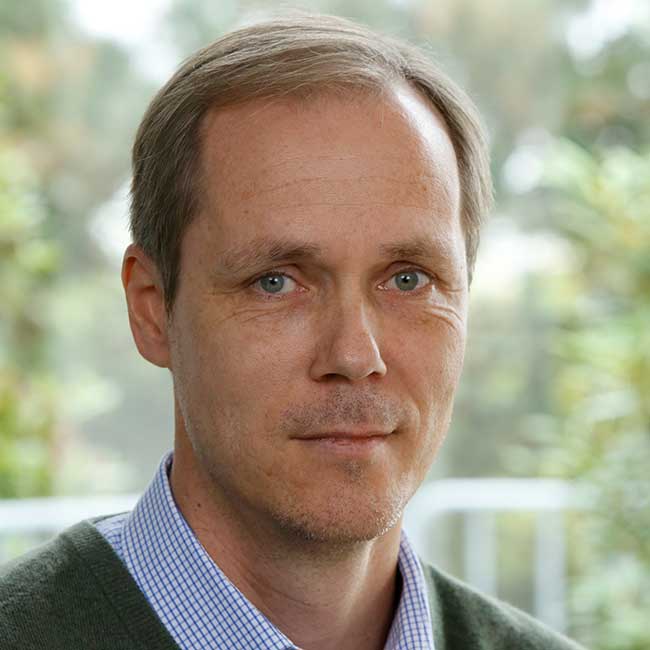
Prof. Dr. Florian Greten / Director of Georg Speyer Haus – Institute for Tumor Biology and Experimental Therapy / Professor of Tumor Biology at Goethe University / Spokesperson of the LOEWE Center Frankfurt Cancer Institute in the “cross field” category.
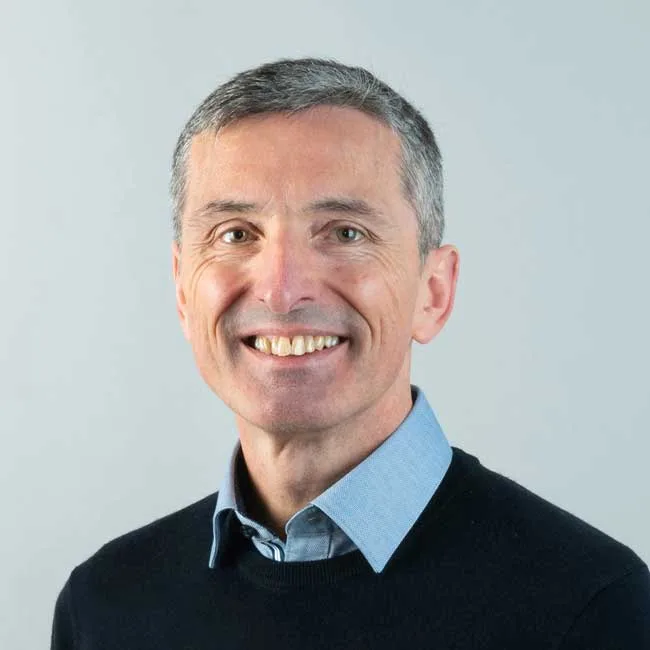
Prof. Dr. Gerhard Hummer / Director oft the Max Planck Institute of Biophysics / Professor at Goethe University’s Institute of Biophysics in the “cross field” category.
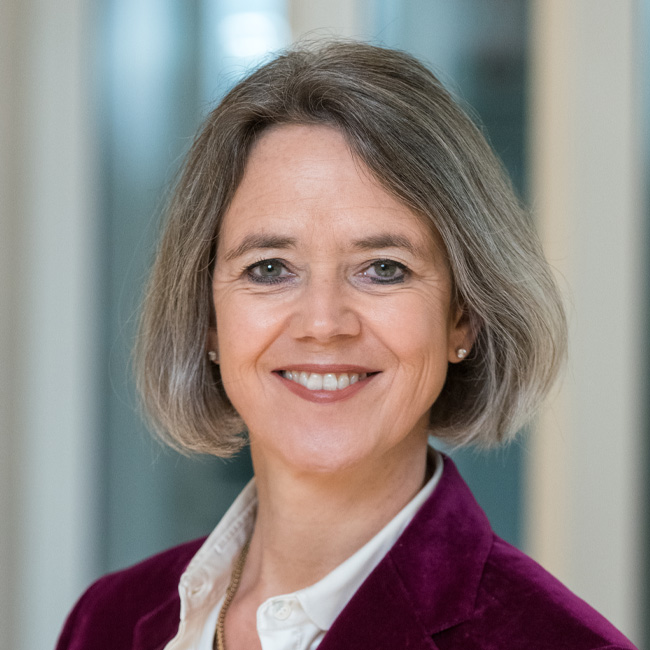
apl. Prof. Dr. Sibylle Loibl / Goethe University’s Faculty of Medicine / German Breast Group Forschungs GmbH, Neu-Isenburg in the “clinical medicine” category.
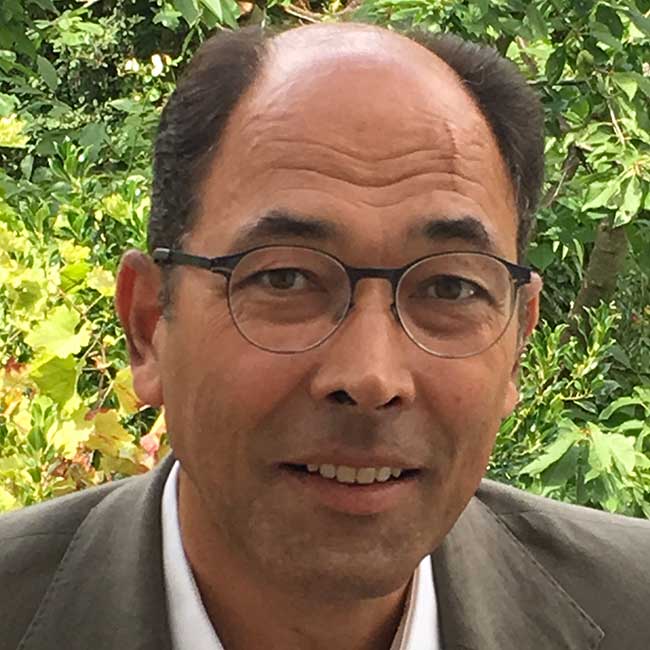
Prof. Dr. Stefan Offermanns / Director at the Max Planck Institute for Heart and Lung Research, Bad Nauheim / Professor of Pharmacology at the Center for Molecular Medicine, Goethe University Frankfurt in the “cross field” category.
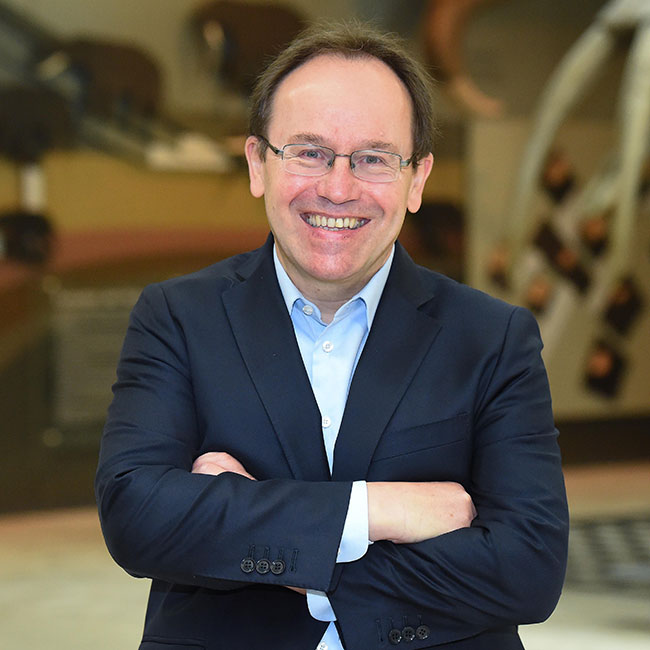
Prof. Dr. Klement Tockner / Direktor General of the Senckenberg Society / Professor for Ecosystem Research at Goethe University Frankfurt in the „cross field“ category.
Further Information: https://clarivate.com/highly-cited-researchers/