On July 16, 2025, Goethe University hosted the second annual summer reception of the Goethe Research Experience Program (GREP) – a dedicated initiative for outstanding international students launched in 2023. Following last year’s inaugural event, this year’s cohort of 28 outstanding research fellows from 11 countries and 19 partner universities stepped into the footsteps of their predecessors and into an evening filled with music, intellectual exchange, and celebration.
“A cornerstone of our internationalization strategy”
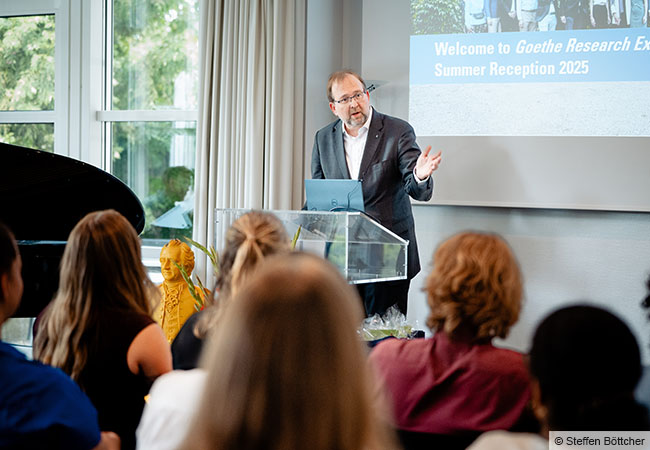
Although University President Prof. Enrico Schleiff had many urgent matters on his agenda – including the imminent signing of Hesse’s new Higher Education Pact – it was important to him to be on site and personally congratulate the GREP graduates. Emphasizing the program’s significance, Schleiff said:
“GREP is a cornerstone of our internationalization strategy. It fosters global collaboration, interdisciplinary learning, and academic excellence. At a time when international cooperation is more important than ever, GREP highlights the vital role of research exchange in addressing today’s global challenges.”
After the university president had welcomed the attendees, Prof. Sabine Andresen, Vice President for Career Development and Equal Opportunities, took over the ceremonial presentation of the fellowship certificates and acknowledged the commitment of the awardees.
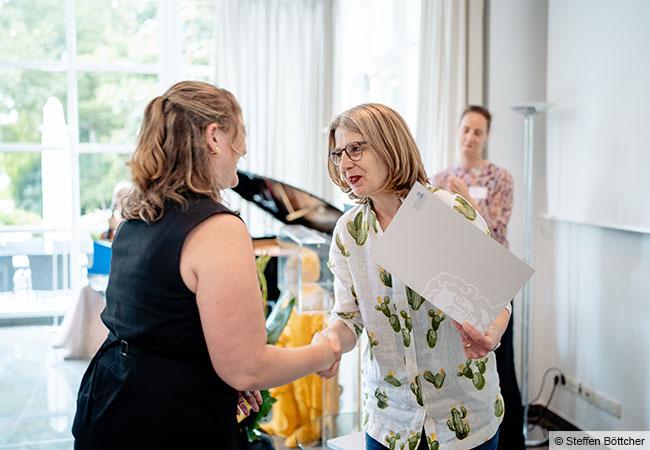
Fellows take the stage
In addition to the award ceremony, another highlight of the evening was the two keynote presentations delivered by GREP fellows.
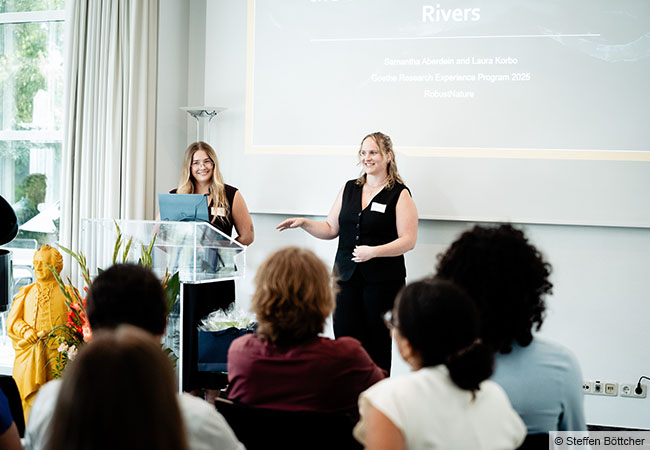
The first, presented by Laura Korbo and Samantha Aberdein of the transdisciplinary initiative RobustNature – Robustness and Resilience of Nature-Society Systems in the Developing Anthropocene, introduced their research on river water and sediment samples using various cell lines to analyze pollution.
The second keynote, delivered by Alexander Brisebois and Evan Batteas, highlighted the astrophysical research cluster ELEMENTS: Exploring the Universe from Microscopic to Macroscopic Scales, supervised by Prof. Dr. Laura Sagunski. Their presentation took the audience on a scientific journey through dark matter and computational modeling in astrophysics.
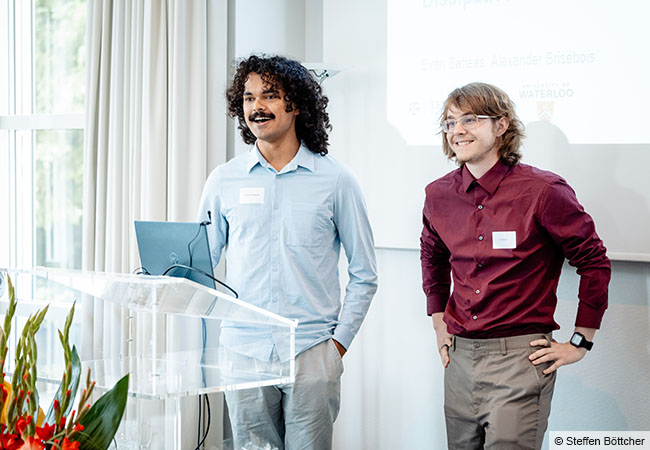
Research on display
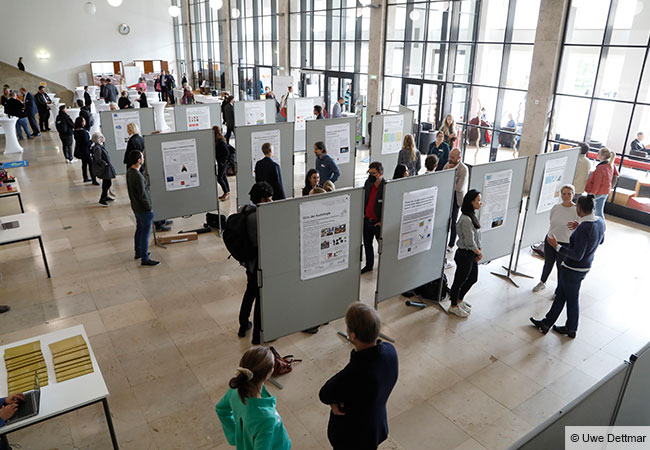
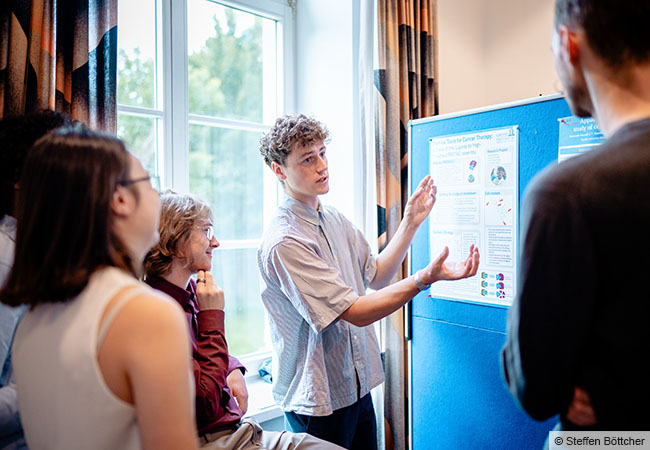
Following the keynotes, a gallery walk showcased the academic posters created by the GREP fellows, detailing their diverse projects. Topics ranged from astrophysics, molecular neuroscience, and cardiac organoids to biodiversity, water pollution, environmental law, social mobility, and religious diversity. The posters and discussions sparked lively, interdisciplinary conversations among fellows and guests alike.
Where Our 2025 GREP Fellows Come From
The current group of GREP scholars hails from 19 universities worldwide: the University of Toronto, University of Alberta, University of Saskatchewan, University of Guelph, University of Waterloo, York University, and Queen’s University in Canada; Texas A&M University and Case Western Reserve University in the United States; Tel Aviv University in Israel; Seoul National University in South Korea; the National University of Río Negro in Argentina; the University of Dundee in the United Kingdom; Aristotle University of Thessaloniki and the National and Kapodistrian University of Athens in Greece; Université Catholique de Louvain in Belgium; Universidad Francisco de Vitoria in Spain; and Istanbul Medipol University and Izmir Katip Celebi University in Turkey.
This diverse cohort brings expertise and perspectives from across continents, enriching Goethe University’s research community and fostering international collaboration.
A festive close
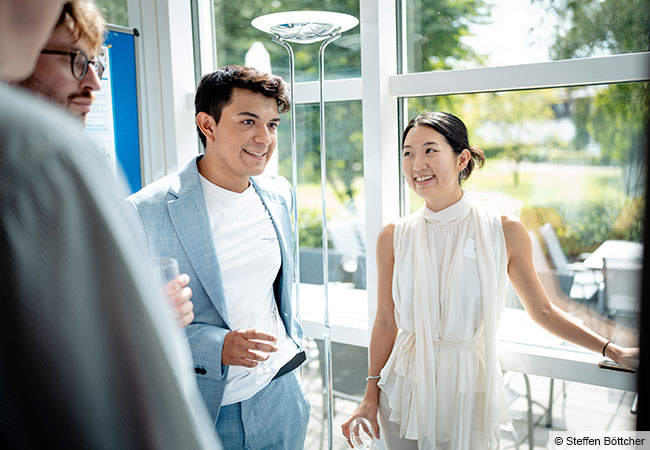
The evening concluded with a champagne reception and live music in the guesthouse garden, creating a festive atmosphere and plenty of opportunities for informal exchange among fellows, supervisors, and guests.

About the Goethe Research Experience Program
The Goethe Research Experience Program offers top international bachelor’s and master’s students the opportunity to conduct research at Goethe University for 2–6 months. Participants work with interdisciplinary research groups and may complete a thesis in the humanities and social sciences or conduct a laboratory visit in the natural sciences. Benefits include housing, access to university facilities, German language courses at the Goethe-Institut Frankfurt, and a unique social program. Scholarships are awarded three times a year for a visit during the fall, spring, or summer intake and are funded by the Adickes Endowment Fund and the Johanna Quandt Jubilee Fund.
More information →
Leonora Jürgens